Temperature Trends in Mumbai
Mumbai, known for its tropical climate, has historically experienced warm temperatures, particularly during the summer months. However, the recent spike in temperatures has taken residents and meteorologists by surprise. Before this recent development, the expectations for March were relatively moderate, with temperatures typically hovering around 32 to 34 degrees Celsius. The India Meteorological Department (IMD) had predicted temperatures of 39 degrees Celsius for March 9 and 37 degrees Celsius for March 10, which were already above the seasonal average.
A Decisive Shift
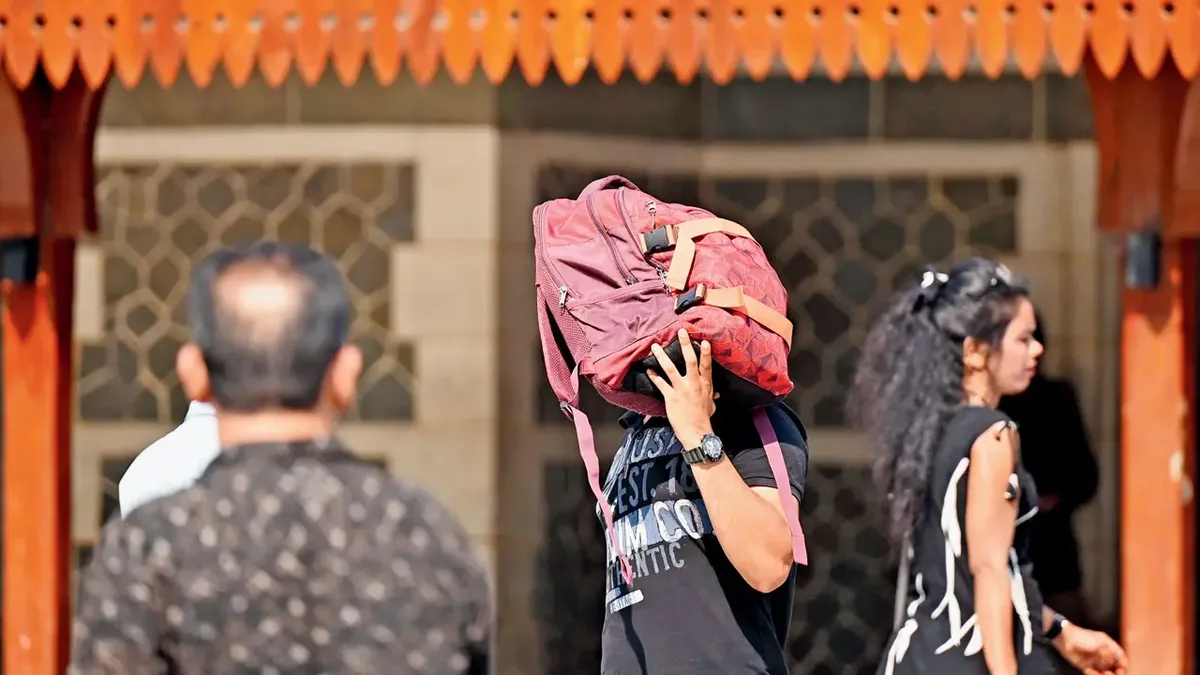
On March 9, 2026, Mumbai recorded a maximum temperature of 38.4 degrees Celsius at Santacruz, marking a significant deviation from the norm. This was six degrees above the expected temperature for this time of year. The situation escalated further with reports from Ram Mandir and Vikhroli, where temperatures soared to 42.5 degrees Celsius and 41.7 degrees Celsius, respectively. This sudden increase prompted the IMD to issue a heatwave warning for the city, indicating that the conditions were not only unusual but also potentially hazardous.
Immediate Effects on Residents
The immediate effects of this temperature surge have been felt across the city. Residents have reported discomfort and health concerns, particularly among vulnerable populations such as the elderly and those with pre-existing health conditions. The humidity levels, which ranged between 18% and 34%, have compounded the heat, making it feel even warmer. Wind speeds recorded between 7.4 kmph and 29 kmph provided little relief, leaving many seeking shelter indoors or relying on air conditioning.
Expert Insights
Experts have weighed in on the situation, attributing the spike in temperatures to anticyclonic circulation in the Arabian Sea, particularly near south Gujarat and neighboring areas, including Mumbai. Sushma Nair, a senior scientist at IMD Mumbai, stated, “The spike in temperatures is attributed to the anticyclonic circulation in the Arabian Sea near south Gujarat and neighboring areas including Mumbai.” This phenomenon has not only affected local weather patterns but has also raised concerns about the broader implications for climate change and urban heat islands.
This year’s heatwave is particularly notable as it marks the earliest onset of such extreme temperatures in at least a decade. Historically, Mumbai has experienced heatwaves, but they typically occur later in the season. The early arrival of this heatwave raises questions about changing climate patterns and the potential for more frequent and severe weather events in the future.
Looking Ahead
As the week progresses, temperatures in Mumbai are expected to hover around 35 degrees Celsius, with the IMD issuing a yellow warning for the city and surrounding areas, including Thane, Palghar, and Navi Mumbai, for the next two days. Residents are advised to take precautions to mitigate the effects of the heat, such as staying hydrated and avoiding outdoor activities during peak hours.
The recent surge in temperatures in Mumbai serves as a stark reminder of the changing climate and its immediate effects on urban populations. As the city grapples with this heatwave, the implications for public health and safety remain a pressing concern. Details remain unconfirmed regarding the long-term impacts of this early heatwave, but the current situation underscores the need for increased awareness and preparedness in the face of extreme weather conditions.