Introduction
The recent avalanche in the Swiss Alps poses significant concerns for rail travel, particularly the safety measures in place on one of the world’s most scenic train routes. Avalanches are not uncommon in Switzerland’s mountainous terrain, but the impact on train services can be severe, affecting both local and tourist travel. The implications reverberate throughout Switzerland’s rail network, a critical element of the nation’s transport infrastructure.
The Avalanche Incident
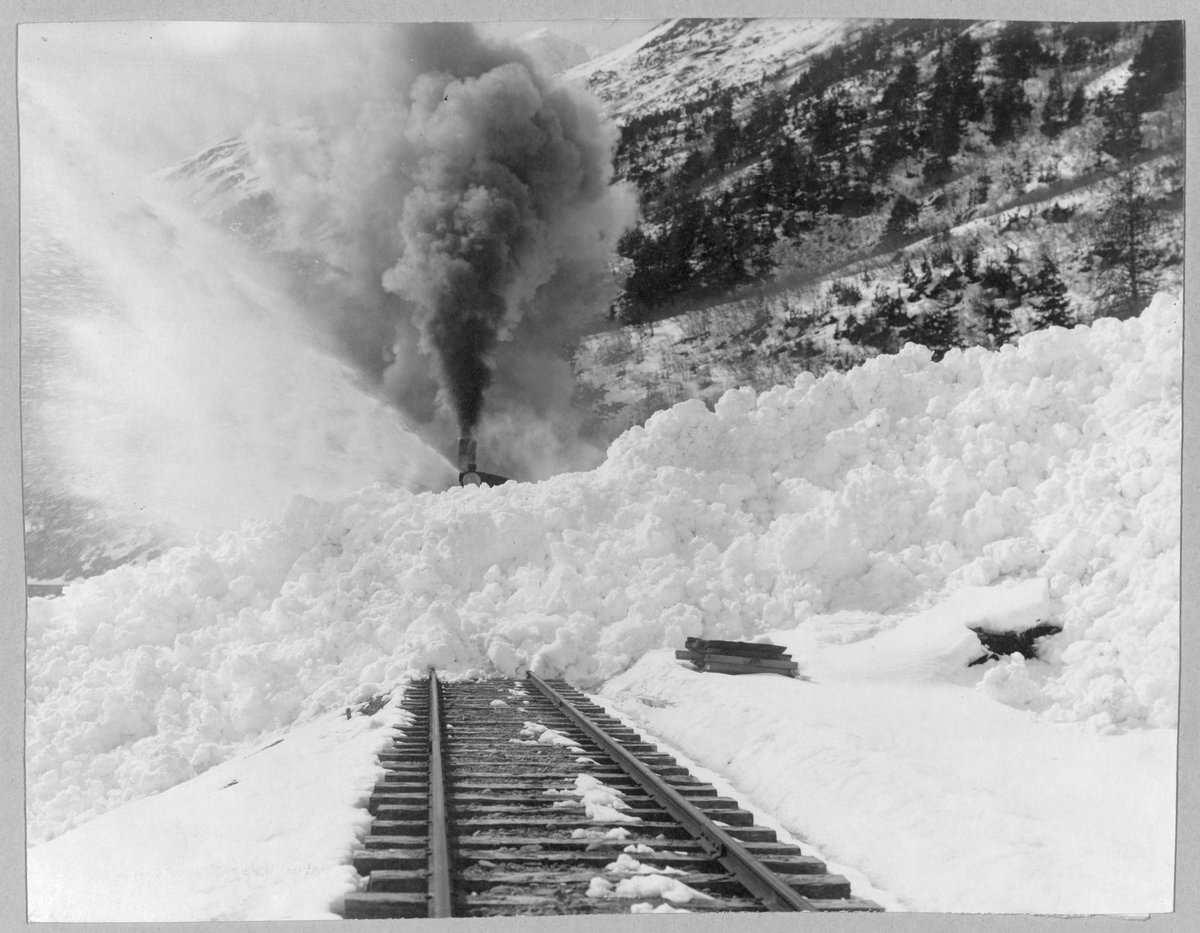
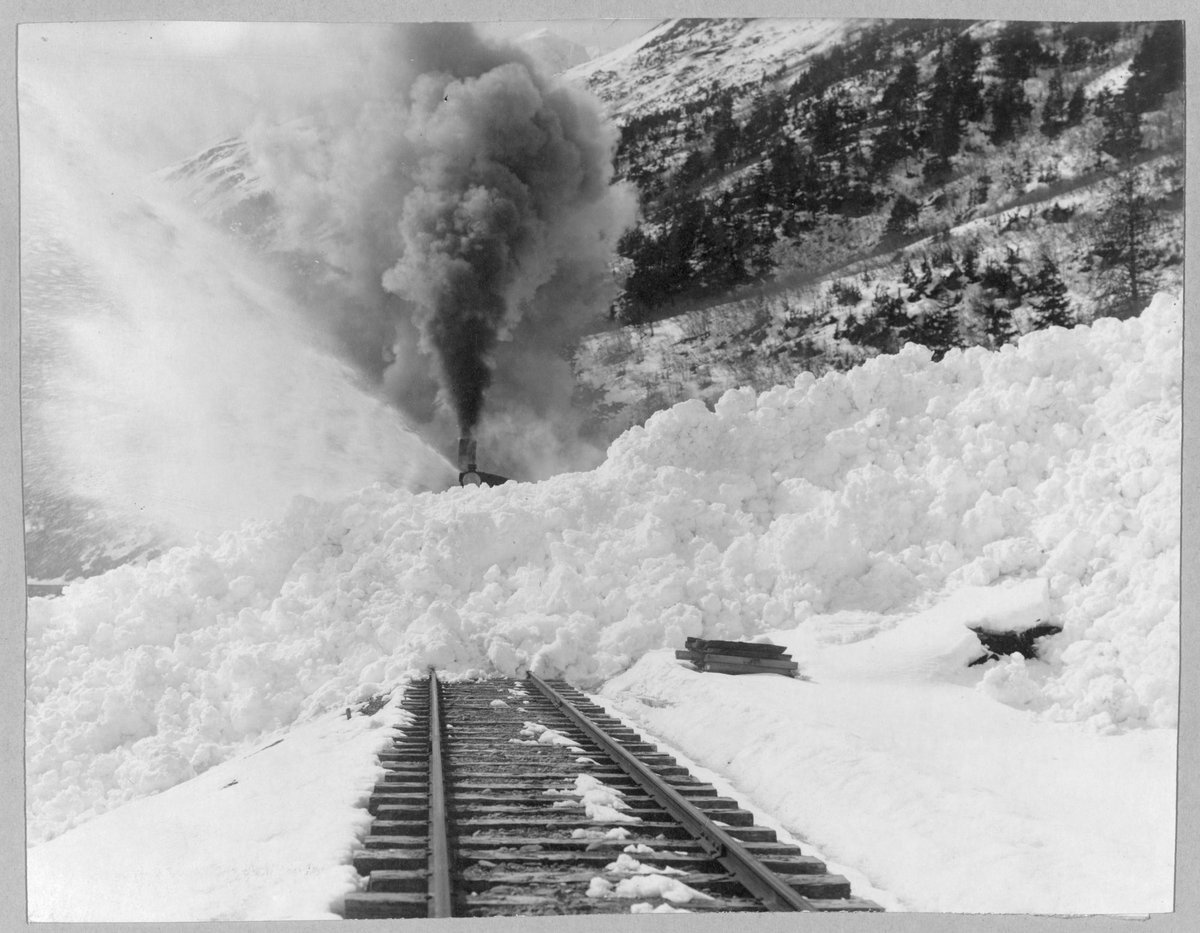
On February 1, 2023, an avalanche occurred near the town of Andermatt, disrupting services on the iconic Glacier Express and regional trains. Eyewitnesses reported a massive snow slide that engulfed the tracks, resulting in significant delays and emergency evacuations of stranded passengers. Swiss Federal Railways (SBB) confirmed that no injuries were reported thanks to efficient emergency protocols and the quick response from train staff.
Immediate Response and Safety Measures
In the aftermath of the avalanche, SBB deployed rescue teams to clear the tracks and assess the situation. The avalanche’s precise location and the swift reaction of train personnel played a critical role in preventing casualties. Authorities are currently conducting thorough investigations to improve early warning systems and avalanche control measures, as avalanches can be particularly unpredictable.
The Broader Impact on Rail Travel
This avalanche incident has raised numerous safety questions regarding railway operations in mountainous areas. Switzerland experiences a high volume of winter tourism, and avalanches have long posed a risk to both rail and road transport. As climate change alters weather patterns, experts predict that such incidents may become more frequent. Consequently, improvements in infrastructure and response protocols are imperative to ensure passenger safety.
Conclusion
The recent Swiss train avalanche underlines the importance of rigorous safety measures within the railway sector, especially in regions prone to natural disasters. As detailed assessments and enhancements to the rail network are ongoing, both local authorities and international visitors are reminded of the inherent risks associated with mountain travel. Looking to the future, a holistic approach, combining modern technology with traditional avalanche safety practices, will be essential in safeguarding Switzerland’s esteemed rail services.