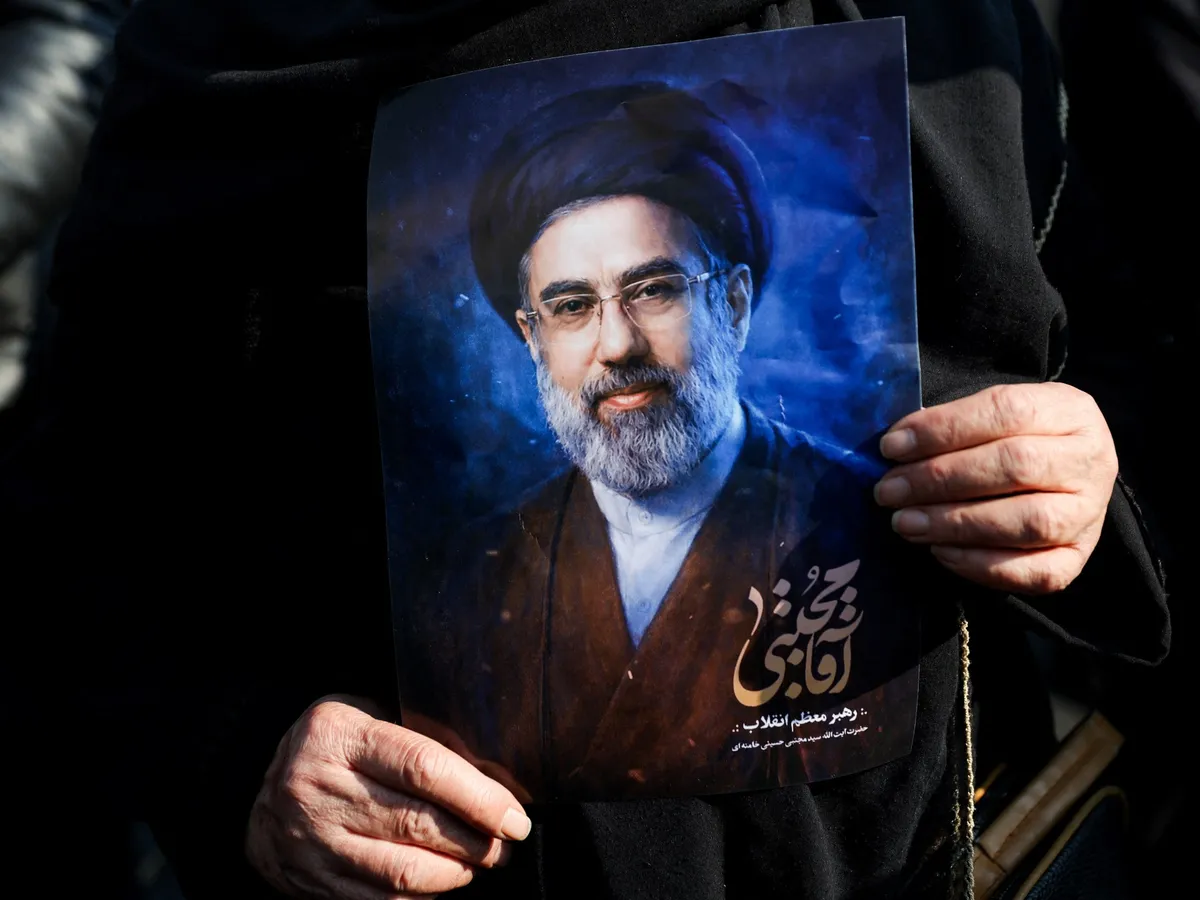
Transition of Power in Iran
The appointment of Mojtaba Khamenei as Iran’s Supreme Leader on March 9, 2026, marks a significant shift in the country’s leadership dynamics. Prior to this development, expectations were centered around a potential successor who could navigate the complex political landscape following the death of his father, the late Supreme Leader Ali Khamenei.
Mojtaba Khamenei’s ascension came after his father’s death due to US-Israeli strikes, a decisive moment that has intensified the existing geopolitical tensions in the region. His appointment was met with immediate backing from Iran’s political and security establishment, indicating a strong internal support base.
In the wake of this transition, various international reactions have emerged. Oman’s Sultan sent a congratulatory message, while Iraqi Prime Minister Mohammed Shia al-Sudani expressed confidence in Khamenei’s leadership, stating, “We express our confidence in the ability of the new leadership in the Islamic Republic of Iran to manage this sensitive stage.” This reflects a cautious optimism among some regional allies.
Conversely, the appointment has drawn criticism from figures such as US President Donald Trump, who labeled it a mistake, questioning its longevity. Trump’s remarks underscore the skepticism surrounding Khamenei’s leadership, particularly given the historical context of his father’s rule.
Israel’s Foreign Ministry has taken a more aggressive stance, describing Khamenei as a “tyrant” and threatening him, which highlights the ongoing animosity between Iran and Israel. This reaction is indicative of the heightened tensions that are likely to characterize Khamenei’s tenure.
In contrast, Russian President Vladimir Putin has pledged unwavering support to Iran, emphasizing the need for courage and dedication during a time of armed aggression. His statement reflects Russia’s strategic alliance with Iran amid rising tensions with Western powers.
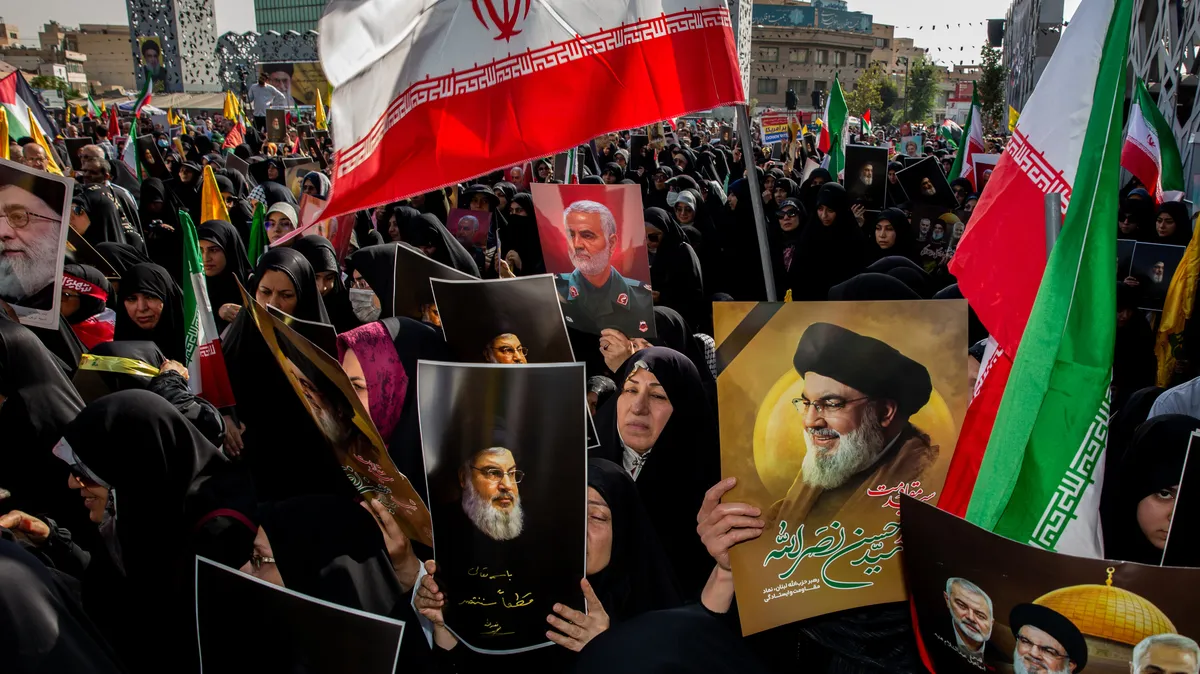
Additionally, mass rallies were held in Iran to support Khamenei following his appointment, showcasing a segment of the population’s backing for the new leader. The Houthis in Yemen also extended their congratulations, further illustrating the regional implications of this leadership change.
As Iran navigates this critical juncture, the implications of Mojtaba Khamenei’s leadership will unfold against a backdrop of ongoing conflict and international scrutiny. The situation remains fluid, and details remain unconfirmed regarding the long-term impact of this transition on Iran’s domestic and foreign policies.