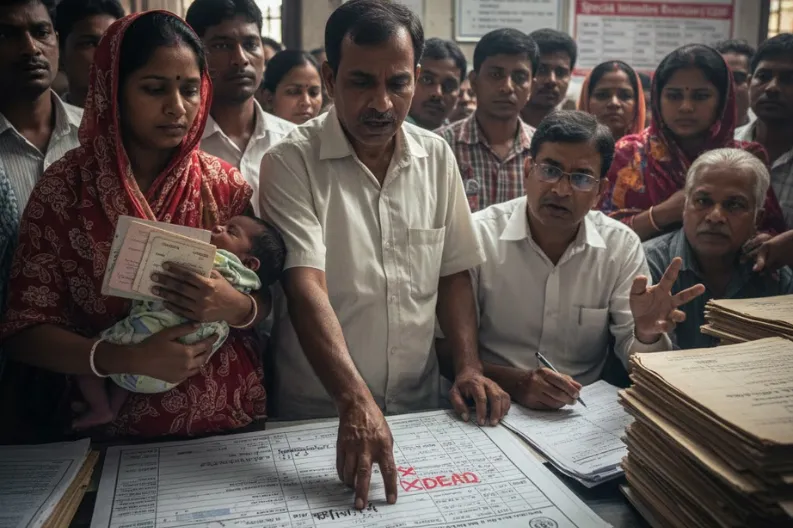
As West Bengal gears up for the 2026 elections, the anticipation surrounding the supplementary voter list has been palpable. Previously, the electoral landscape was marred by confusion and a backlog of pending voter records. The earlier draft roll had included a staggering 7,08,16,630 names, but many voters faced uncertainty regarding their registration status.
However, a decisive moment arrived with the publication of the first supplementary voter list by the Election Commission of India (ECI) and the West Bengal Chief Electoral Officer (CEO). This list reflects a significant shift, as 27 lakh pending voter records have been settled, with about 2 lakh names processed daily. This rapid progress is a welcome change for many who have long awaited clarity on their voting eligibility.
The implications of this development are profound. With 29 lakh adjudications completed out of the 60 lakh cases under judicial review, the electoral process is becoming more streamlined. Voters whose names are excluded from the supplementary list will have the opportunity to appeal through tribunals, as noted by Manoj Kumar Agarwal, providing a pathway for those affected to seek redress.
Moreover, the total number of voters in West Bengal, as per the final electoral roll published on February 28, now stands at 7,04,59,284. This figure represents a crucial adjustment from the earlier draft roll, indicating a more accurate representation of the electorate.
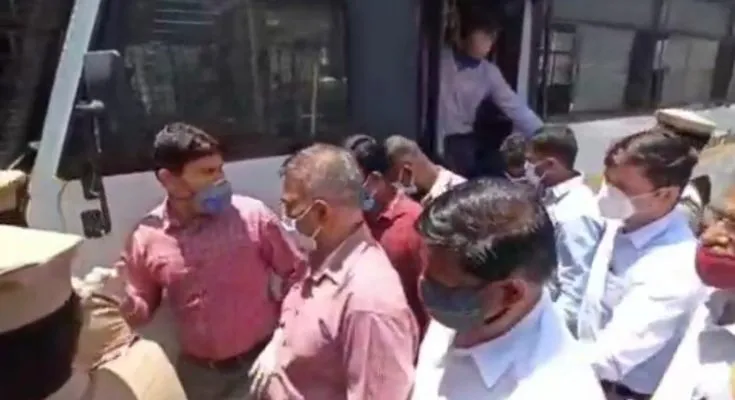
In a bid to ensure accountability, the Election Commission has taken decisive action by removing 73 Returning Officers (ROs) from their positions. This move underscores the commitment to maintaining the integrity of the electoral process, especially in light of the SIR exercise announced on October 27 last year.
As the supplementary list is set to be released around 9.30 pm on Monday, the anticipation continues to build. Centralized processing of the list is ongoing in the office of the apex poll body in Delhi, ensuring that the final product is both accurate and comprehensive.
In addition to these changes, 11 districts have seen new District Magistrates appointed, further reshaping the administrative landscape ahead of the elections. This shift is expected to enhance the efficiency of the electoral process, providing voters with a more responsive system.
As West Bengal approaches this pivotal moment in its electoral history, the enforcement of the model code of conduct across all assembly constituencies is a reminder of the importance of fair play in the democratic process. The changes brought about by the supplementary voter list 2026 are not just procedural; they represent a renewed commitment to ensuring that every voice is heard in the upcoming elections.
With the stakes higher than ever, the eyes of the nation will be on West Bengal as it navigates this transformative period. The hope is that these developments will foster a more inclusive and representative electoral process, empowering citizens to exercise their democratic rights.