Introduction
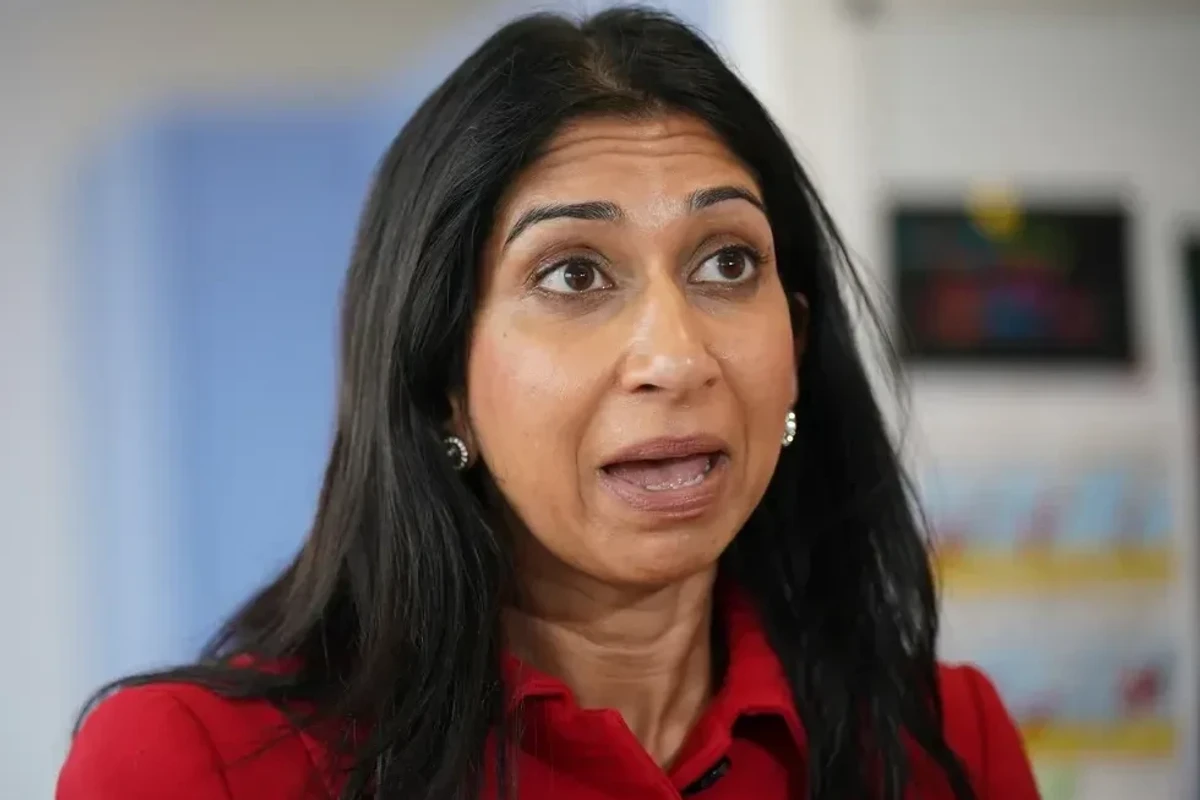
Suella Braverman, a prominent figure in UK politics, currently serves as the Home Secretary. Her policies and actions have been pivotal in shaping contemporary governance in Britain. With ongoing discussions about immigration, public safety, and national security, her role has garnered significant attention and scrutiny. Understanding her influence and the implications of her decisions is crucial for citizens and political analysts alike.
Recent Developments
In recent weeks, Braverman has been at the forefront of several key policy announcements regarding immigration reform. Amid rising numbers of asylum seekers, she has proposed stricter measures to control unlawful entry into the United Kingdom. This includes new legislation aimed at fast-tracking the removal of individuals who cross the Channel illegally. Her proposals have sparked debates within Parliament, highlighting divisions within the government and the broader public.
Additionally, Braverman has actively championed measures to enhance public safety and security. Following a series of high-profile incidents, she announced additional funding for police forces across England and Wales. This investment is intended to bolster community policing efforts and improve response rates to crime. Yet, critics argue that such funding could be better utilised in addressing the root causes of crime, rather than solely increasing police presence.
Political Implications
The implications of Braverman’s policies extend beyond immediate governance challenges. Her stance on immigration and law enforcement is reflective of the Conservative Party’s broader strategy ahead of upcoming elections. By prioritising law and order, Braverman aims to appeal to voters concerned about safety and stability, yet this has also caused rifts within the party, especially among more moderate members who advocate for compassion in immigration matters.
Conclusion
As Suella Braverman continues to navigate the complexities of her role as Home Secretary, her decisions will undoubtedly shape the political landscape in the UK. Future developments around her proposed policies and their reception will be crucial in determining not only her political career but also the trajectory of the Conservative Party. For readers and political observers, staying informed about her actions and the responses they generate will be key in understanding the evolving dynamics of UK governance.