What impact do songs have in cultural competitions?
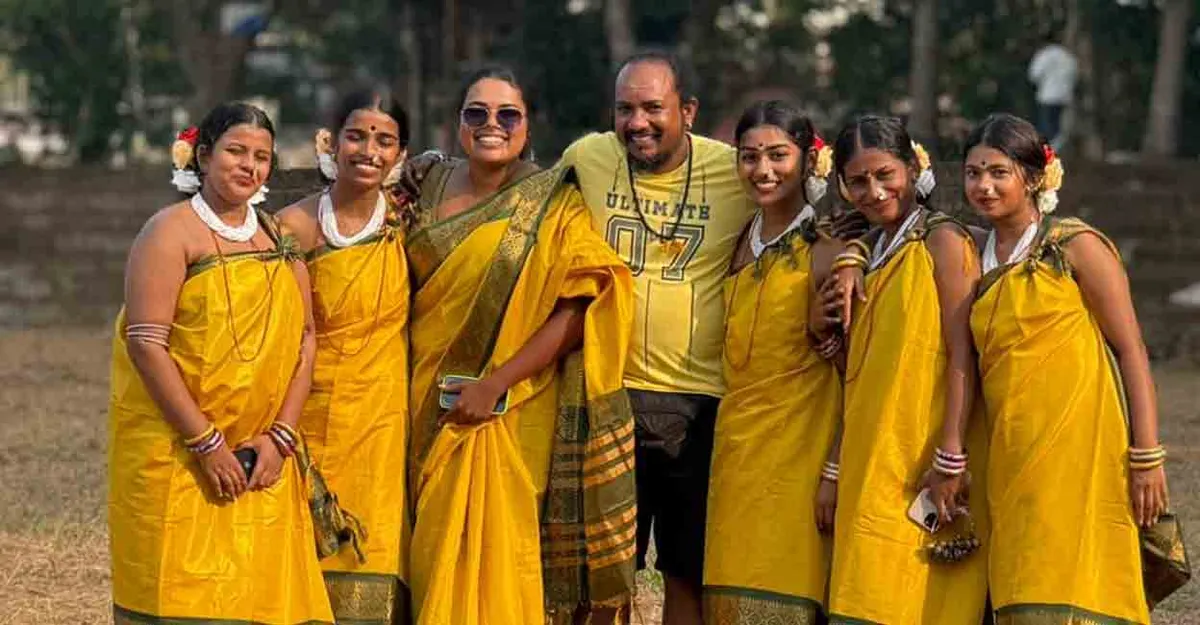
The recent MG University Kalolsavam raised an intriguing question about the role of songs in cultural competitions: How do they serve as a bridge between communities and traditions? The answer was evident when the Maharaja’s College folk song team clinched the first prize, performing a song learned from the Muthuvan tribal community in Kerala.
The performance, which featured eight talented members of the team, was described as electrifying and well-received by the audience. Anjana Raveendran, the team trainer, shared insights into their preparation, stating, “We connected with members of the Muthuvan tribe through friends. We stayed with the community for three days and learned the songs ourselves.” This dedication highlights the importance of preserving and celebrating local cultures through music.
Cultural Significance of Muthuvan Songs
The Muthuvan community, known for their rich oral traditions, resides predominantly in the Kothamangalam region of Ernakulam district and Idamalakkudy in Idukki. Their songs, which blend Malayalam and Tamil, are passed down through generations, reflecting the community’s history and cultural identity. The Maharaja’s College has now won the folk song category at the Kalolsavam for three consecutive years, showcasing the growing appreciation for these traditional forms of expression.
In a different context, the world of music faced scrutiny when popular artist Badshah issued an apology for his song “Tateeree,” which was criticized for its objectionable content. Following public outcry, the Haryana State Commission for Women summoned him, and police initiated a Look Out Circular to prevent him from leaving the country. Badshah stated, “I never intended to say anything objectionable against any woman or child from Haryana,” emphasizing the complexities artists face in navigating cultural sensitivities.
Celebrating Diversity Through Music
Meanwhile, the Sangeetanjali Shashtriya Sangeet Samiti organized a Holi song and dance event at the Doon Library Amphitheatre, featuring a diverse array of performances. With 20 artists showcasing Garhwali, Kumauni, Ruhelkhandi, Braj, and Rajasthani songs, the event highlighted the unifying power of music across different cultures. Such initiatives not only entertain but also educate audiences about the rich tapestry of Indian musical traditions.
As the Maharaja’s College folk song team continues to explore ways to document and notate folk songs, their efforts underscore the importance of preserving these cultural treasures for future generations. Anjana Raveendran’s research aims to ensure that the songs of the Muthuvan community and others like it are not lost to time.
What Lies Ahead for Music and Culture?
Looking forward, the intersection of music and cultural representation remains a vital conversation. The recent events at the MG University Kalolsavam and the controversies surrounding contemporary artists like Badshah reflect ongoing tensions in how songs are perceived and the responsibilities of those who create them. As cultural competitions continue to evolve, the role of songs as a medium for storytelling and community connection will likely remain central to these discussions.
Details remain unconfirmed regarding the future implications of the controversies surrounding Badshah and how they may affect his career. However, the celebration of traditional songs, as demonstrated by the Maharaja’s College, serves as a reminder of the enduring power of music to connect people and preserve cultural heritage.