Who is involved
In recent weeks, silver prices have been a focal point for investors and analysts alike. Historically, silver has been viewed as a safe haven during times of crisis, often gaining traction when geopolitical tensions rise. However, the current landscape tells a different story. Just a few months ago, silver was riding high, buoyed by a combination of global unrest and a surge in demand for precious metals. Investors were optimistic, believing that silver would continue to climb as a reliable store of value.
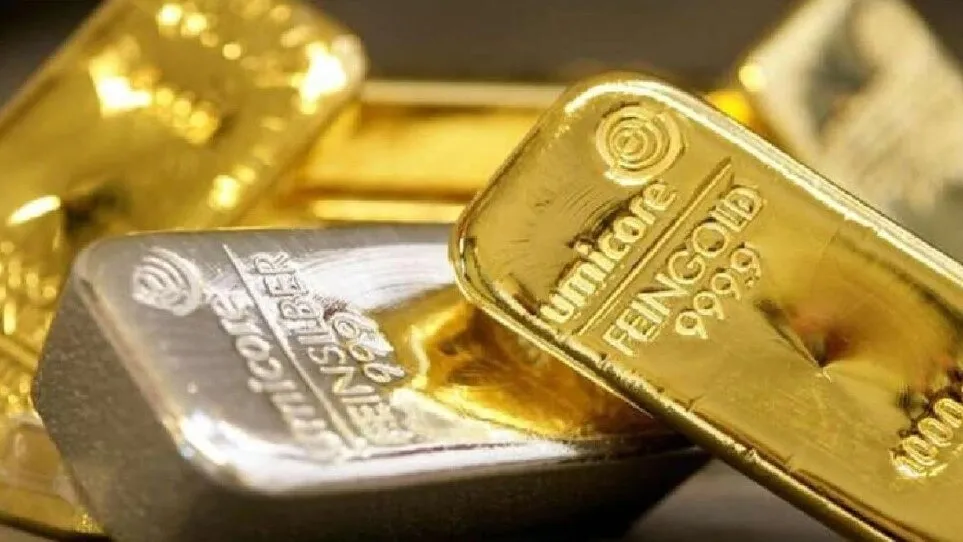
Yet, on March 23, 2026, everything changed dramatically. Silver prices fell by ₹20,409, settling at ₹2.06 lakh per kilogram. This sharp decline was not an isolated incident; silver futures for May delivery also slumped 9% to ₹2,06,363 per kilogram on the Multi Commodity Exchange. The numbers were staggering, with silver prices down 10.21% compared to previous levels, reflecting a broader trend of selling across asset classes, including precious metals.
The decisive moment came as investors began to take profits after a previous rally, driven by liquidity needs. As Hareesh V noted, “Profit-taking and liquidity needs have also triggered selling after metals’ earlier rally, with investors cashing out to cover losses elsewhere.” This shift in sentiment was palpable, as the market reacted to the strengthening U.S. dollar and rising Treasury bond yields, which have historically weakened bullion prices.
Furthermore, the global spot silver market mirrored this decline, with prices dropping around 3.2%. The volatility of silver, often more pronounced than that of gold, led to sharper price declines, leaving many investors reeling. Silver futures on the Comex for May contract declined by $6.51, or 9.34%, to $63.15 per ounce, illustrating the rapid changes in market dynamics.
As the situation unfolded, it became clear that the expectation of delayed interest rate cuts was putting additional pressure on silver prices. Despite escalating tensions in West Asia, which would typically drive investors toward safe-haven assets, the current market situation saw selling across the board. Dr. VK Vijayakumar emphasized this point, stating, “It is important to understand that the huge risk-off globally has impacted all assets including stocks, bonds and precious metals like gold and silver.”
The direct effects of this downturn have been felt by various stakeholders, from individual investors to large institutional players. Many who had previously invested in silver as a hedge against uncertainty are now facing significant losses. Tim Waterer remarked on the broader implications, noting that “steep selloffs in Asian stock markets are leading to unwinding of long positions in gold,” further complicating the landscape for precious metals.
As we navigate this turbulent market, it is essential to consider the voices of experts who provide context to these shifts. Hareesh V pointed out that “these forces have outweighed safe-haven demand, keeping precious metals under downward pressure.” This sentiment resonates with many investors who are now reevaluating their strategies in light of the recent developments.
In summary, the fall in silver prices marks a significant shift in market dynamics, driven by a combination of profit-taking, global economic pressures, and investor sentiment. As the landscape continues to evolve, the future of silver remains uncertain, and details remain unconfirmed regarding the next steps for both investors and the market at large.