Introduction to Sicily
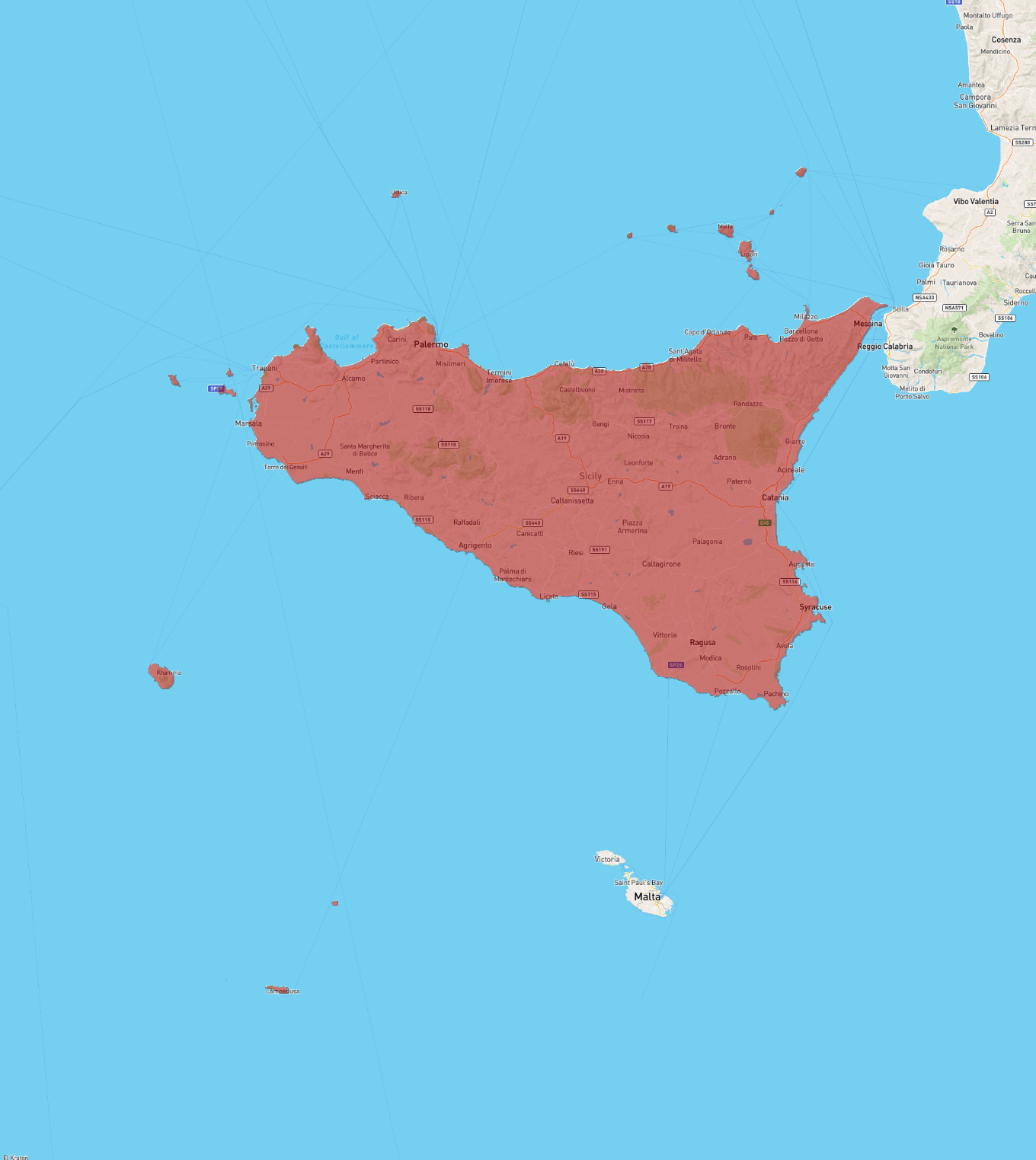
Sicily, the largest island in the Mediterranean Sea, holds a significant place in European history and culture. Known for its rich mosaic of cultures, stunning natural landscapes, and gastronomic delights, Sicily attracts millions of visitors each year. Understanding the importance of this island, especially in the context of global tourism and regional heritage, is vital for those who wish to explore its treasures.
Cultural Heritage and Historical Significance
With a history that dates back to ancient times, Sicily has been a melting pot of civilizations. The island has been influenced by Greek, Roman, Arab, and Norman cultures, evident in its architecture, language, and cuisine. Key historical sites such as the Valley of the Temples in Agrigento, a UNESCO World Heritage Site, showcase the ancient ruins and temples that date back to the 5th century BC.
In addition to its ancient history, Sicily’s capital, Palermo, is a vibrant city teeming with life, where visitors can explore the stunning Palatine Chapel and Quattro Canti, illustrating the baroque architecture that characterises much of the island.
Natural Attractions and Ecosystems
Sicily’s diverse landscapes range from mountainous regions to beautiful sandy beaches. Mount Etna, Europe’s highest active volcano, offers exhilarating hiking experiences and breathtaking views. Its surrounding areas are also designated as UNESCO Biosphere Reserves, supporting a variety of unique biodiversity and ecosystems.
The beaches on the coastline, such as those in Taormina or Cefalù, are idyllic destinations for relaxation and water sports, drawing tourists for sunbathing, swimming, and exploring the Mediterranean Sea’s rich marine life.
Culinary Delights and Local Traditions
The Sicilian cuisine is another significant attraction, combining Mediterranean flavours with unique local ingredients. Famous for its street food, such as arancini (stuffed rice balls) and cannoli (sweet pastries), Sicily offers an array of delights that are essential to any visit. Food festivals celebrating local produce and traditional recipes occur year-round, enhancing the vibrant cultural tapestry of the island.
Conclusion: The Future of Sicilian Tourism
Sicily’s blend of history, natural beauty, and culinary richness makes it an essential destination for cultural tourism. With increasing attention to sustainable tourism practices, there is potential for Sicily to enhance its offerings while preserving its unique heritage. As travel resumes post-pandemic, Sicilian tourism is projected to grow, reflecting an enduring interest in exploring the complexities and beauty of this Mediterranean jewel. For anyone considering their next travel destination, Sicily promises an experience filled with adventure, history, and flavour.