Introduction
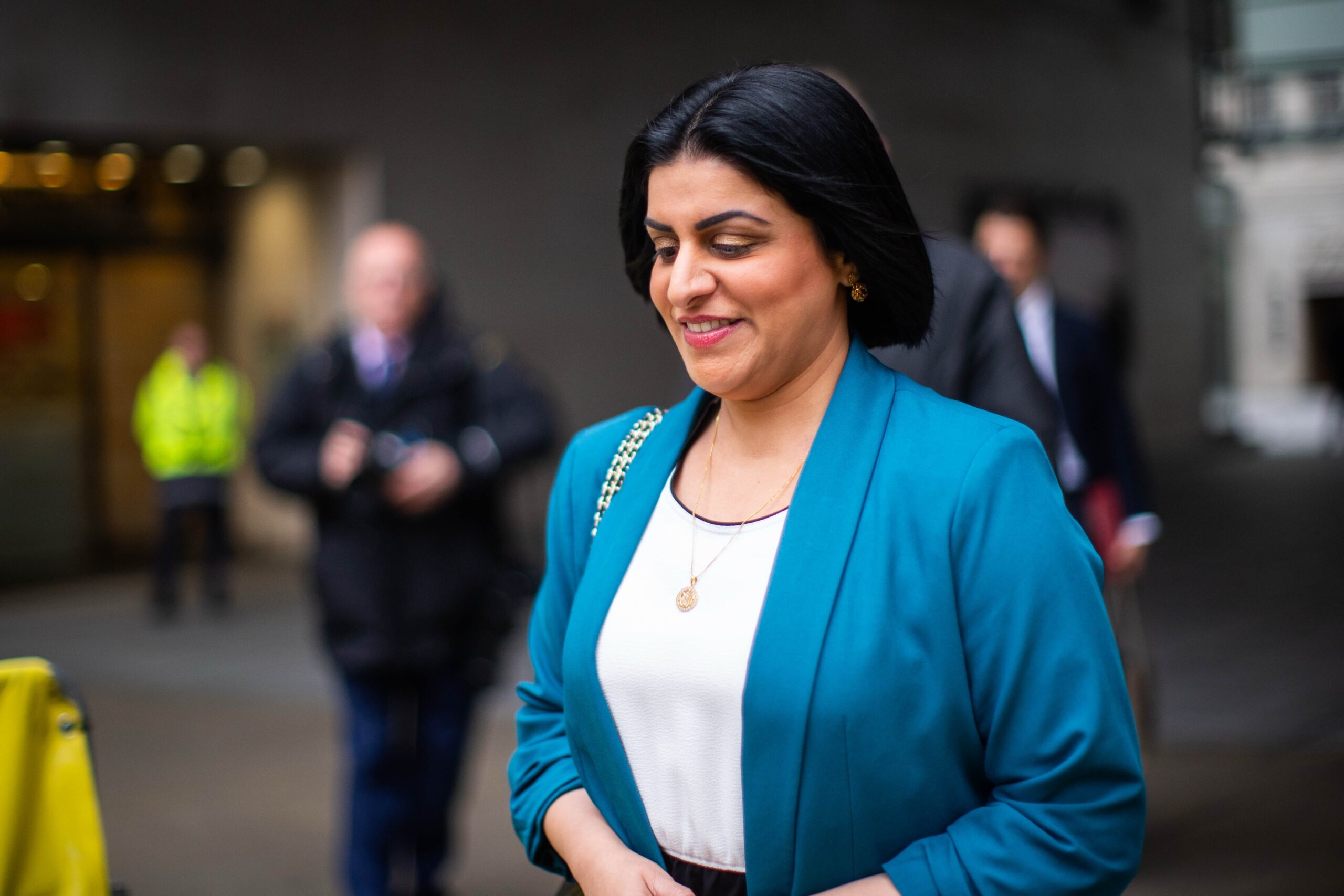
Immigration reform is a pressing issue in the UK, especially in light of recent economic challenges and societal changes. Shabana Mahmood, the Shadow Minister for Immigration, has put forth a compelling set of proposals aimed at overhauling the current immigration system to make it more efficient and humane. Her reforms come at a time when immigration policy is a hot topic across political platforms, making it an essential discussion for citizens and stakeholders alike.
The Proposed Reforms
Mahmood’s proposals include several significant changes to the existing immigration framework. Key amongst these reforms is the call for a more compassionate approach to asylum seekers, advocating for the establishment of improved support systems for individuals awaiting the processing of their claims. She suggests streamlining the application process to reduce waiting times and ensure fair treatment.
Additionally, Mahmood is advocating for the introduction of a points-based system that not only prioritises skilled workers but also considers the contributions of individuals in various sectors, including health and social care. This is particularly relevant as the NHS continues to feel the strain from staffing shortages, exacerbated by Brexit and the COVID-19 pandemic.
Political Reactions
The political landscape surrounding immigration is complex. While Mahmood’s proposals have garnered support from various Labour Party members and human rights organisations, they have also drawn criticism from those who believe the changes may weaken border control. Critics argue that without stringent measures, the reforms may lead to increased illegal immigration and misuse of the system.
Conclusion
Shabana Mahmood’s immigration reforms represent a significant shift in the discourse surrounding immigration policy in the UK. Her vision prioritises human dignity and acknowledges the vital roles immigrants play in society, especially in critical sectors like health and education. As the Labour Party prepares for upcoming elections, the success of these proposals will depend on their reception among the electorate. With public opinion on immigration remaining divided, Mahmood’s approaches could shape the future trajectory of UK immigration policy, making it a critical issue for voters in the coming months.