Introduction
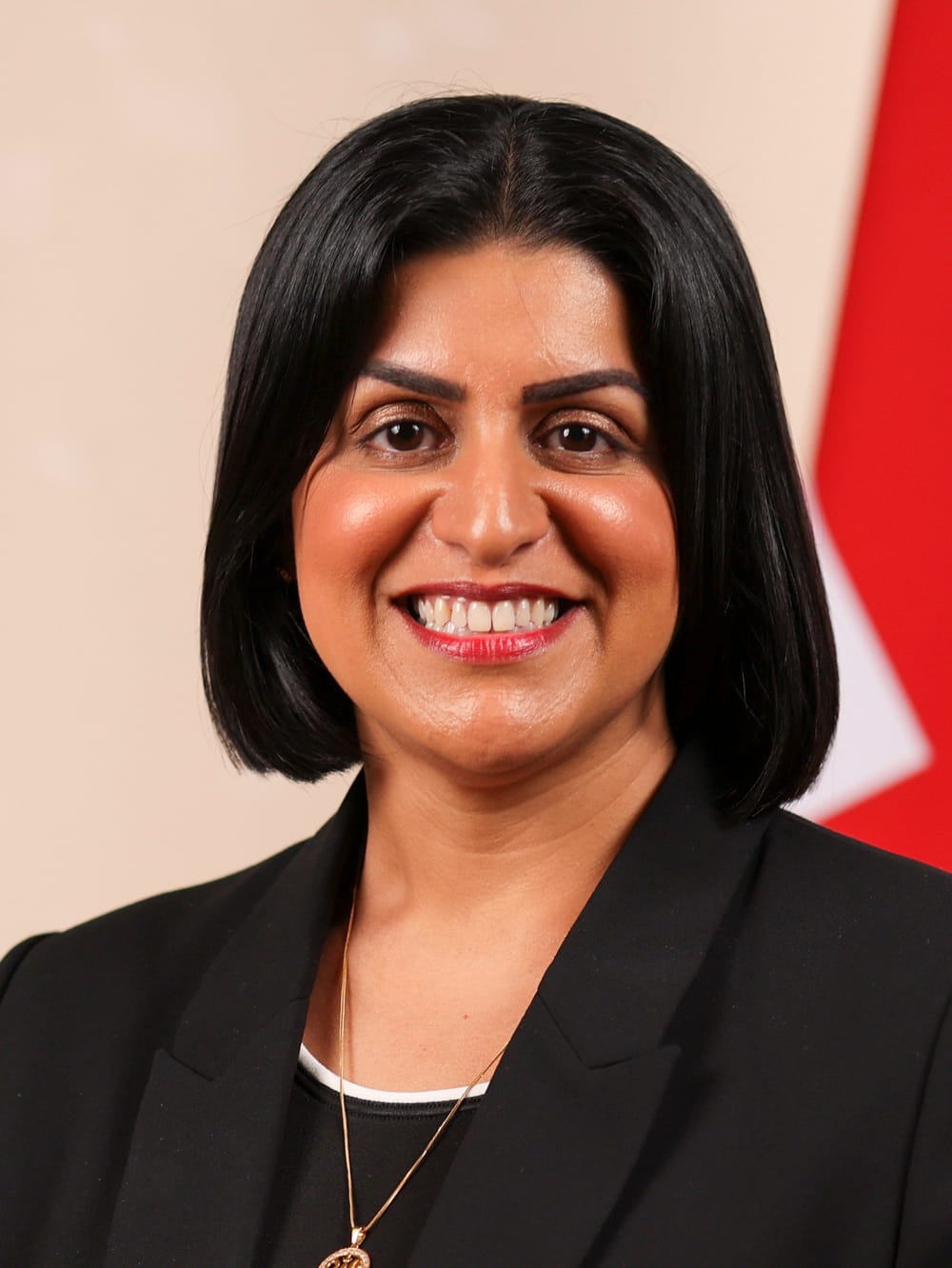
Shabana Mahmood, a Labour MP for Birmingham, Ladywood, has garnered significant attention in recent years due to her impactful role in UK politics. As a trailblazer for representation, Mahmood’s work highlights critical issues such as social justice, education, and healthcare, reflecting the interests of her constituency and the wider society. In light of recent political developments, Mahmood’s prominence in the Labour Party and her influence on policy discussions have become increasingly relevant.
Background
Mahmood was born in 1980, and her early life in Birmingham has deeply influenced her political views. She pursued law at the University of Birmingham and subsequently took on various roles in the public sector, gradually making her mark in politics. Elected as the Member of Parliament for Ladywood in 2010, she quickly gained a reputation for her dedication to advocacy and community engagement.
Current Initiatives and Impact
In 2023, Mahmood has been vocal about several pressing issues, including the need for increased funding in education and health. Her recent efforts to address inequalities exacerbated by the pandemic have earned her praise from various organisations. Recently, she led discussions in Parliament on the importance of mental health resources for young people, signifying her commitment to improving the quality of life for constituents. Moreover, her involvement in Labour’s campaign strategies has positioned her as a key player ahead of the next General Election, where her advocacy will likely influence broader party policies.
Challenges Ahead
As the political landscape in the UK remains dynamic, Mahmood faces challenges, notably in ensuring that Labour appeals to a diverse electorate while addressing local and national issues. With increasing competition from other parties and fluctuating public sentiment, her role in shaping party strategy and local responses to current events will be crucial.
Conclusion
Shabana Mahmood’s commitment to her constituents and her influential presence within the Labour Party underscore her significance in contemporary UK politics. As she continues to champion vital social issues and prepare for future elections, her evolving role will serve as a bellwether for changes within the party and the broader political framework. For her supporters and political analysts alike, Mahmood’s journey will remain essential to watch in the ongoing narrative of British politics.