Importance of Sergio Mattarella in Italian Politics
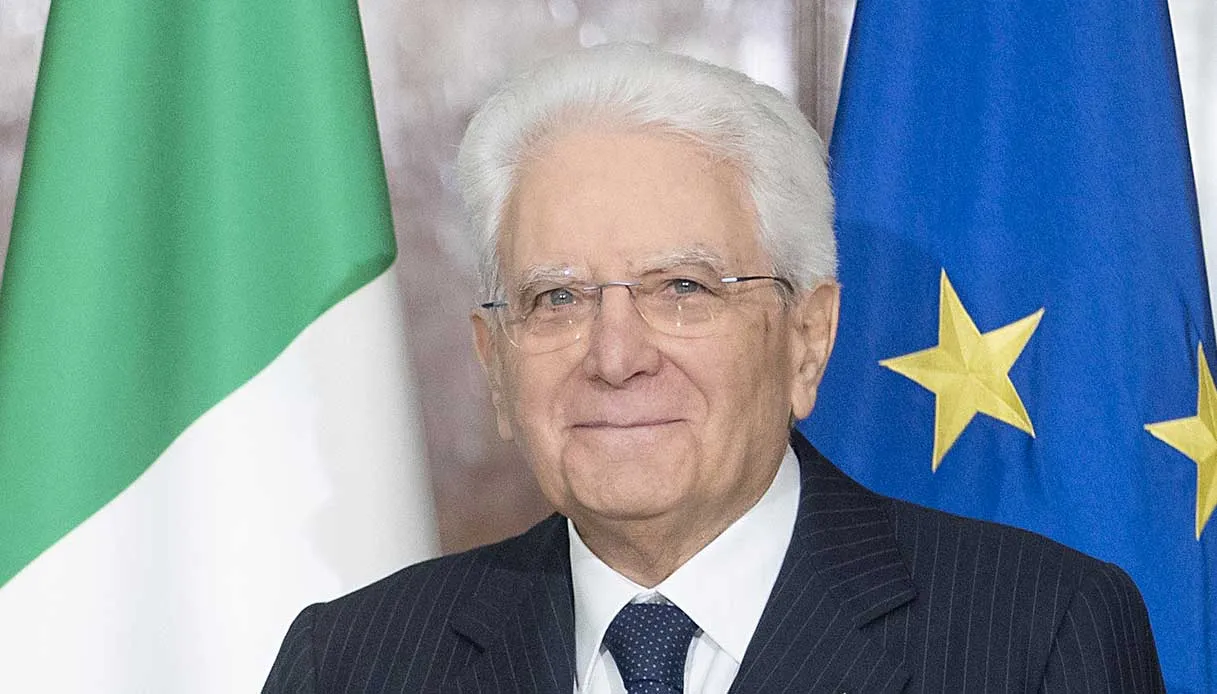
Sergio Mattarella has been serving as the President of Italy since February 2015, representing a stabilising force in the country’s complex political landscape. As Italy navigates economic challenges and social changes, the importance of a steadfast leadership role cannot be overstated. His election was seen as a response to a political crisis and a need for continuity in governance.
Background and Political Career
Born on July 23, 1941, in Palermo, Sicily, Mattarella comes from a distinguished political family. Following a law degree, he embarked on a political career that began in the 1980s with the Christian Democracy party. His roles have included Minister for Education, Minister for Parliamentary Relations, and Deputy Prime Minister. Before becoming President, he served as a member of the Chamber of Deputies and held various prominent positions within Italy’s political institutions.
Key Roles and Achievements
As President, Mattarella has played a key role in maintaining Italy’s democratic structures. He has navigated through numerous political crises, including the recent government formation challenges after elections. His mediation skills were particularly evident during the COVID-19 pandemic, as he urged national unity and cooperation among political parties. Furthermore, he has championed issues such as social cohesion, immigration reform, and environmental sustainability, reflecting his commitment to addressing contemporary challenges facing Italy.
Recent Developments
In 2023, Mattarella’s presidency was marked by an emphasis on promoting stability and strengthening Italy’s position within the European Union. He has been vocal about the need for Italy to play a proactive role in addressing economic recovery and migration challenges in Europe. His recent addresses to parliament have focused on resilience and social justice, aiming to unite various political factions under common goals.
Conclusion
Sergio Mattarella’s presidency is significant for Italy as it continues to grapple with political instability and social issues. His role as a unifying figure is essential for fostering dialogue and cooperation among diverse political actors. As Italy approaches the next general elections in 2024, his influence will likely shape the political landscape, and his continued commitment to democracy will be critical in ensuring Italy’s progress in the face of ongoing challenges.