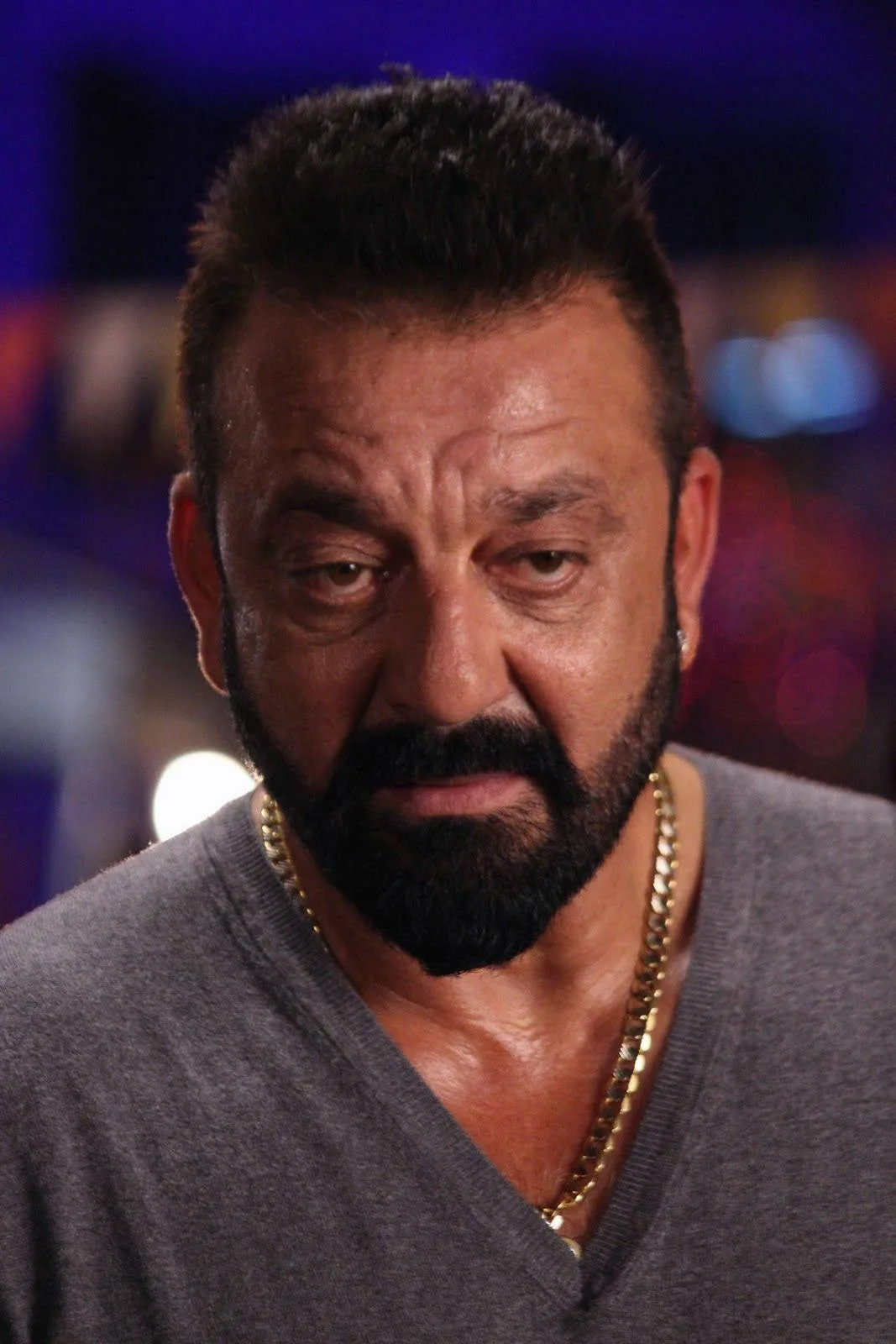
The song ‘Sarke Chunar Teri Sarke’ has recently come under fire, facing serious allegations of obscenity and vulgarity. This controversy has prompted the National Commission for Women (NCW) to summon prominent figures associated with the song, including Sanjay Dutt, who is expected to provide clarity on the matter.
The NCW’s decision to intervene stems from media reports that highlighted concerns over the song’s lyrics and choreography. The commission has taken suo motu cognizance of these reports, indicating the seriousness with which they view the allegations. The NCW stated, “The content appears to be sexually suggestive and objectionable,” underscoring the potential impact of such representations in popular media.
As part of the summons, Dutt and other individuals involved in the song’s production must appear before the NCW on March 24, 2026, armed with relevant documents. Failure to comply may result in appropriate legal action, as warned by the commission. This situation has escalated quickly, especially following the removal of the Hindi version of the song from YouTube due to widespread criticism.
Nora Fatehi, who recorded the Kannada version of the song three years ago, expressed her confusion regarding the controversy, stating, “I don’t understand the Kannada language, in which the original song, Sarse Ninna, is composed.” This highlights the complexities artists face when navigating cultural and linguistic differences in their work.
Raqueeb Alam, who was involved in the song’s lyrics, acknowledged the concerns raised, noting that he had warned the makers about the vulgarity of the Hindi lyrics. He explained, “I was told to do a literal translation from the Kannada version and that’s what I did,” indicating that the intention was not to create a vulgar piece but rather to adapt an existing work.
The song is part of the upcoming Kannada film ‘KD: The Devil’, directed by Prem and featuring Dhruv Sarja. With the film’s release date set for March 30, 2026, the timing of this controversy adds an additional layer of complexity to its promotional efforts.
As the situation unfolds, observers are keenly watching how the NCW will proceed following the hearing. The commission’s actions could set a precedent for how similar cases are handled in the future, particularly in an industry that often grapples with the balance between artistic expression and societal norms.
With the stakes high for all parties involved, the coming days will be crucial in determining the outcome of this controversy and its implications for the film and music industry at large.