Who is involved
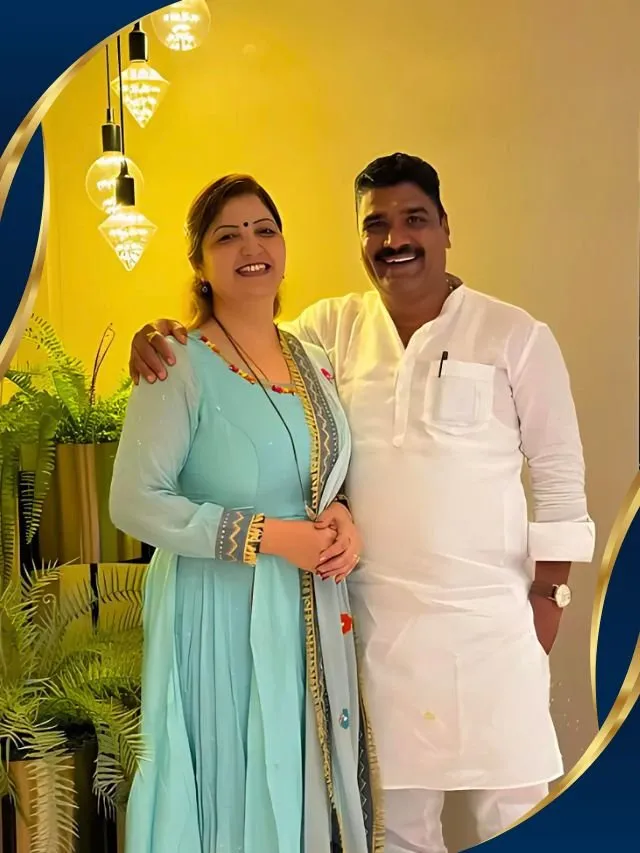
In the heart of Maharashtra’s political landscape, a shocking incident has unfolded, turning the spotlight on Rupali Chakankar, a prominent figure in the Nationalist Congress Party and the Maharashtra State Women’s Commission. Before the emergence of a viral video, Chakankar was seen as a steadfast advocate for women’s rights, working tirelessly to address issues of gender-based violence and discrimination. Her reputation, however, faced an unprecedented challenge as events took a dramatic turn.
The decisive moment came in mid-March 2026, when a video surfaced showing Ashok Kharat, a local politician, engaging in a deeply disturbing act—urinating into a glass and offering it to a woman. This grotesque display not only shocked the public but also led to Kharat’s arrest on multiple charges, including rape, molestation, and cheating. Following the video’s release, the Maharashtra government swiftly constituted a Special Investigation Team (SIT) on March 13, 2026, to delve deeper into the allegations against Kharat, who had long operated under a veil of political protection.
The fallout from the viral video was immediate and far-reaching. Rupali Chakankar resigned from her position on the Maharashtra State Women’s Commission on March 20, 2026, a move that signaled her disapproval of the political environment surrounding Kharat’s actions. Her resignation was not merely a personal decision but a reflection of the growing outrage among women and activists who felt that the political establishment had failed to protect them. Chakankar’s departure from the commission marked a significant shift in the narrative surrounding women’s rights in Maharashtra.
As the investigation unfolded, it became clear that Kharat’s alleged misconduct was not an isolated incident. Neeraj Jadhav, a former employee of Kharat, submitted over a hundred videos documenting various assaults, further complicating the case. Chief Minister Devendra Fadnavis announced that eight cases had been registered against Kharat, illustrating the breadth of the allegations. This wave of accusations has not only tarnished Kharat’s reputation but has also raised questions about the systemic issues within Maharashtra’s political framework.
Experts have weighed in on the implications of this scandal. Harshwardhan Sapkal, a political analyst, called for accountability, stating, “Jaykumar Rawal should be sacked by Chief Minister Fadnavis for helping a fraud.” This sentiment resonates with many who believe that the political elite must be held responsible for enabling such behavior. The case has also drawn attention to the broader issues of power dynamics and gender-based violence in politics, with Raj Thackeray suggesting that the situation might be exploited to undermine political ambitions.
The Kharat case has been charged under the Maharashtra Prevention and Eradication of Human Sacrifice and other Inhuman, Evil and Aghori Practices and Black Magic Act, highlighting the severity of the allegations. Kharat’s long-standing influence in Nashik, coupled with his connections across party lines, has made this case particularly complex. As the SIT investigates further, delving into land deals and corporate ties, the ramifications of this scandal continue to unfold.
As the public grapples with the implications of the viral video, the demand for justice grows louder. Three women have come forward to lodge formal complaints against Kharat, signaling a shift in the willingness of victims to speak out. The societal impact of this case could be profound, potentially leading to a reevaluation of how women are treated within the political sphere.
Details remain unconfirmed as the investigation continues, but the events surrounding the Rupali Chakankar viral video have undoubtedly altered the landscape of Maharashtra politics. As the story develops, it serves as a poignant reminder of the ongoing struggle for women’s rights and the need for accountability in positions of power.