Introduction
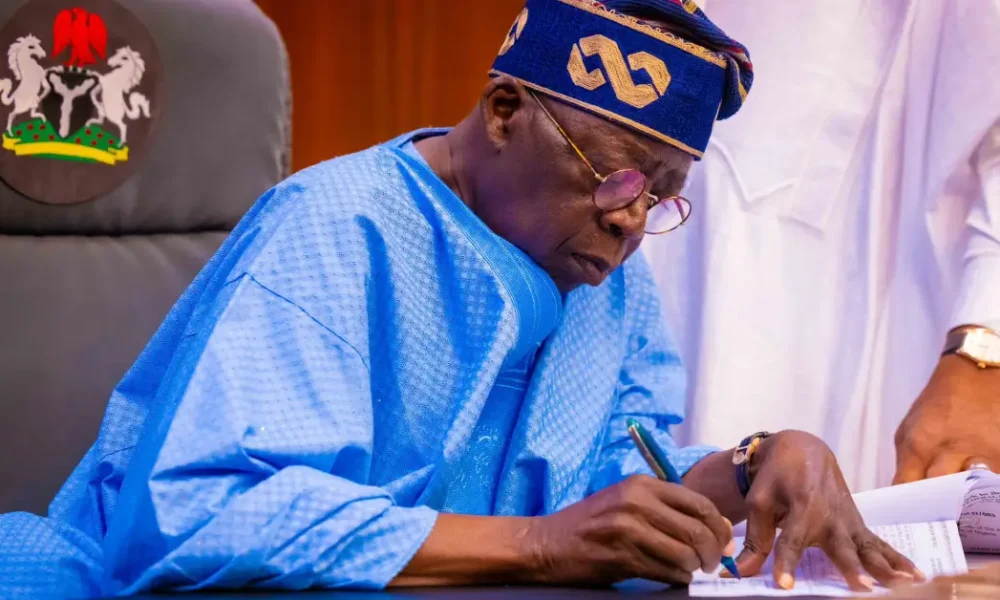
President Bola Ahmed Tinubu has been making headlines since his inauguration on May 29, 2023. His administration’s policies and reforms are seen as a significant milestone in Nigeria’s quest for economic stability and national security. Understanding the implications of his leadership is crucial for both citizens and international observers, as the decisions made today can influence the future direction of Africa’s most populous nation.
Key Policies and Actions
One of Tinubu’s most notable early actions was the removal of the fuel subsidy, a policy that has been at the centre of Nigeria’s economic challenges. This decision aimed to redirect funds towards infrastructure development and social welfare programs. While it has been met with protests from various sectors, the government argues that such reforms are necessary for financial sustainability.
In addition to the subsidy removal, Tinubu’s administration has accelerated efforts to stabilise the naira, which has seen significant depreciation against foreign currencies. The Central Bank of Nigeria has implemented several measures aimed at curbing the inflation rate and creating a more conducive environment for investments.
Security and Governance
Security remains a pressing concern in Nigeria, with various groups conducting violent attacks across different regions. Under Tinubu’s leadership, the National Security Council has been restructured to enhance collaboration among the military, police, and intelligence agencies. His commitment to tackling insecurity includes increasing funding for defence and law enforcement agencies, supplementing their capabilities in combating terrorism and banditry.
Public Reception and Future Outlook
Public opinion on President Tinubu’s administration varies widely. While certain sectors applaud his bold economic reforms, critics argue that the short-term consequences, such as rising living costs, counterbalance his long-term vision. Compounding this is the ongoing insecurity that affects not only individual safety but also economic activity.
Moving forward, it is essential for President Tinubu to ensure that his policies are coupled with immediate relief measures for the affected populations. The balancing act of implementing necessary reforms while maintaining public support will be pivotal in shaping his legacy.
Conclusion
In conclusion, President Tinubu’s leadership is currently a mixed bag of ambitious reforms and ongoing challenges. His commitment to transforming Nigeria will require navigating complex social and economic landscapes. The next few months will be critical in determining whether his administration can foster a resilient economy and secure peace in the country. As citizens and investors closely monitor these developments, the outcomes of his policies will undoubtedly have lasting ramifications for Nigeria’s future.