Introduction
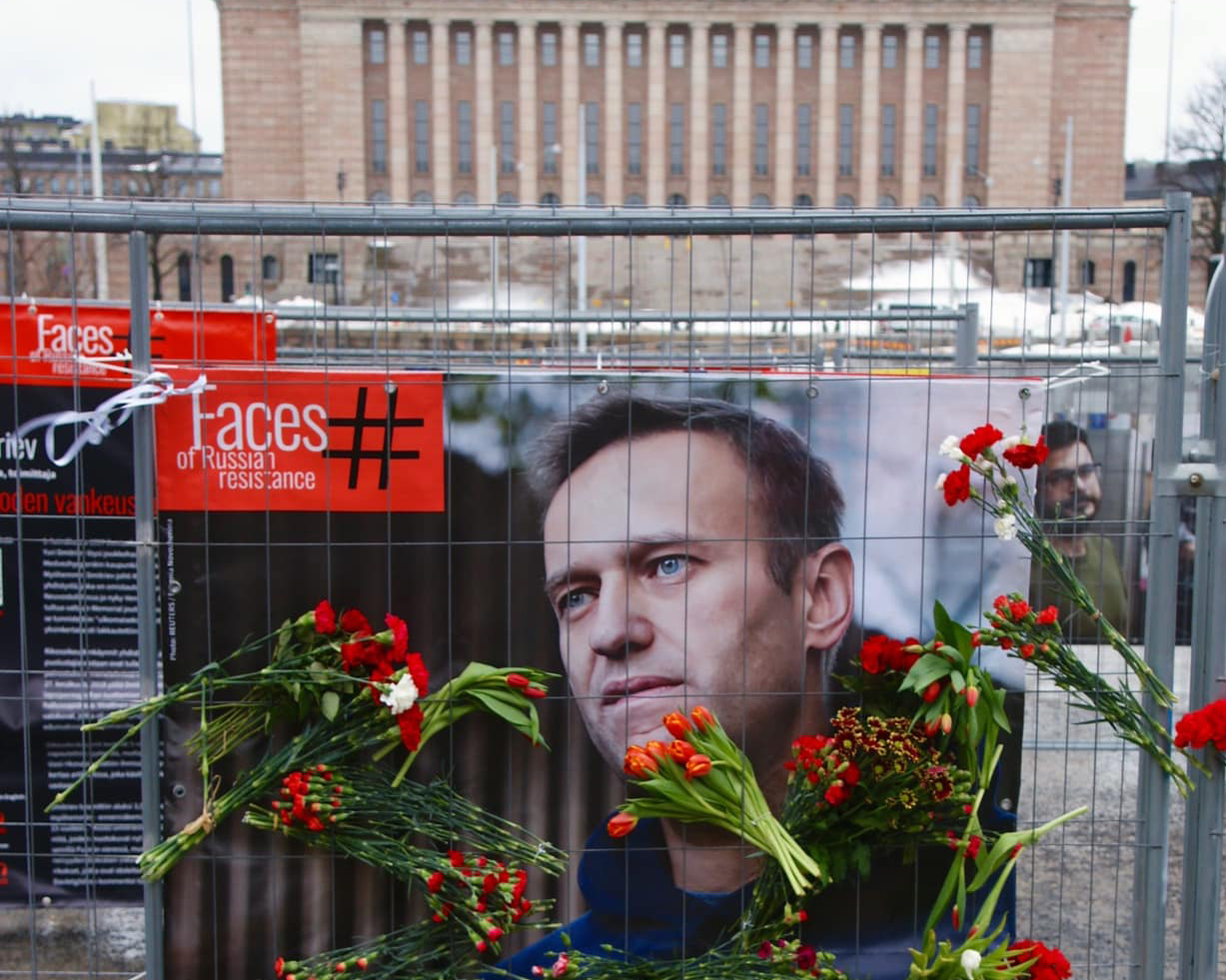
Alexei Navalny, a prominent Russian opposition leader, has been a central figure in the fight against corruption and authoritarianism in Russia. His recent situation has raised important questions regarding human rights and the state of democracy in the country. As Navalny continues his battle against the Russian government, understanding the implications of his circumstances is crucial for both Russian citizens and the international community.
Background
Navalny was poisoned in August 2020 in an attack widely attributed to the Kremlin, which claimed his life was in danger. After receiving treatment in Germany, he returned to Russia in January 2021, only to be arrested and sentenced to a lengthy prison term on charges labelled as politically motivated. Since then, Navalny has been a symbol of resistance against President Vladimir Putin’s regime and has attracted significant international attention.
Latest Developments
Recently, Navalny’s health concerns have emerged again, as reports indicate his ongoing struggles in a maximum-security prison. Human rights organisations, including Amnesty International, have expressed alarm over his deteriorating health and the conditions of his confinement. In September 2023, his team revealed that he was reportedly suffering from severe back pain and potential eyesight issues, raising fears that the Russian authorities could be neglecting his medical needs.
Furthermore, Navalny’s situation has prompted an outcry across Europe and the United States, leading to calls for increased sanctions against Russia. The European Union is considering implementing measures aimed at those directly involved in his imprisonment and treatment. Recently, the UK government also reaffirmed its support for Navalny, urging Russia to ensure his immediate and proper medical care.
Significance and Future Implications
The ongoing situation surrounding Navalny is critical not only for his personal fate but also for the broader landscape of Russian politics. His imprisonment has galvanised opposition movements within Russia, inspiring protests despite severe crackdowns. Should conditions escalate regarding his health or safety, there could be significant repercussions, including protests or a shift in public sentiment against the ruling regime.
Moreover, Navalny’s case highlights widespread issues of human rights abuses in Russia, drawing global scrutiny. Analysts predict that his situation could prompt further international interventions, leading to increased tension between Russia and Western nations. As Navalny becomes more of a martyr figure within the opposition, the question remains: can his plight effect real change in Russia’s political landscape?
Conclusion
In conclusion, Alexei Navalny remains a pivotal figure in Russia’s struggle for democracy and human rights. As his health deteriorates and international pressure mounts, the need for vigilant observation and sustained advocacy has never been more crucial. The outcome of his case and its influence could shape the future of the Russian political climate and the international community’s approach to authoritarian regimes.