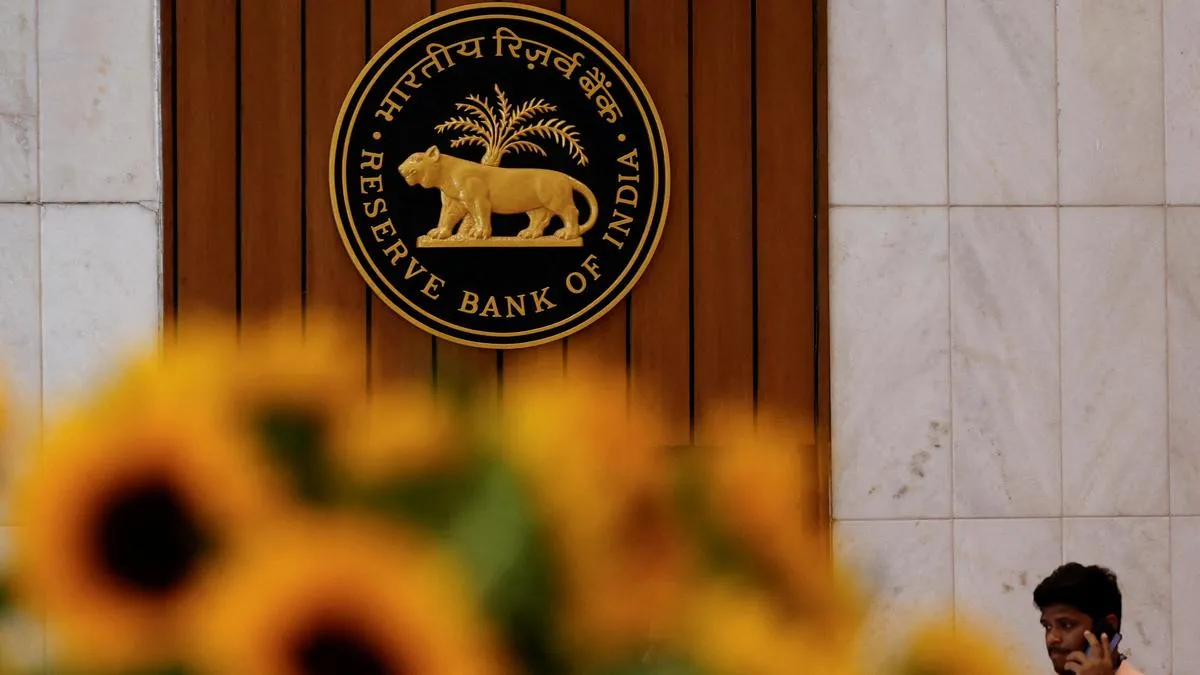
In early 2026, the Reserve Bank of India (RBI) set a deadline of April 1 for new capital market exposure rules aimed at providing a framework for banks to finance acquisitions by Indian corporates. This move was anticipated to reshape the landscape of corporate financing, allowing banks to extend acquisition finance under specific conditions. However, as the deadline approached, concerns began to surface.
On February 13, 2026, the RBI issued the final Amendment Directions, which included stipulations that acquisition finance could only be extended for acquiring control over non-financial target companies. Additionally, banks were directed to unwind large currency positions by April 10, 2026, amid a backdrop of a weakening rupee, which had recently hit a historic low of ₹94.81 against the dollar.
As the April deadline loomed, the RBI received numerous requests from banks, capital market intermediaries, and industry bodies seeking more time and clarity on operational issues. In response, the RBI made a decisive move, announcing a three-month postponement of the implementation of the new rules to July 1, 2026.
RBI officials stated, “The Reserve Bank has since received representations from banks, CMIs, and various industry associations seeking an extension of the effective date, and also flagging certain operational and interpretational issues for clarification.” This acknowledgment of the industry’s concerns reflects a growing recognition of the complexities involved in the new regulations.
The immediate effects of this postponement are significant. Banks now have additional time to adjust their strategies and operations in line with the new guidelines. The amended rules also include caps on loans to individuals against eligible securities at ₹1 crore and a limit of ₹25 lakh for subscribing to shares under IPOs, FPOs, or ESOPs.
Moreover, the RBI’s decision comes at a time when the rupee has fallen four percent since the onset of recent geopolitical tensions, raising further concerns about currency stability. This context adds another layer of urgency for banks as they navigate these new rules while managing their currency positions.
Experts suggest that this extension could provide the necessary breathing room for financial institutions to better understand and implement the guidelines effectively. The RBI’s proactive approach in addressing industry feedback may foster a more stable financial environment, ultimately benefiting all stakeholders involved.
As the new deadline approaches, the financial community will be watching closely to see how these changes will unfold and what further adjustments may be necessary in light of ongoing economic challenges. The RBI’s commitment to engaging with stakeholders is a positive step towards ensuring that the new regulations are both effective and practical.
Details remain unconfirmed.