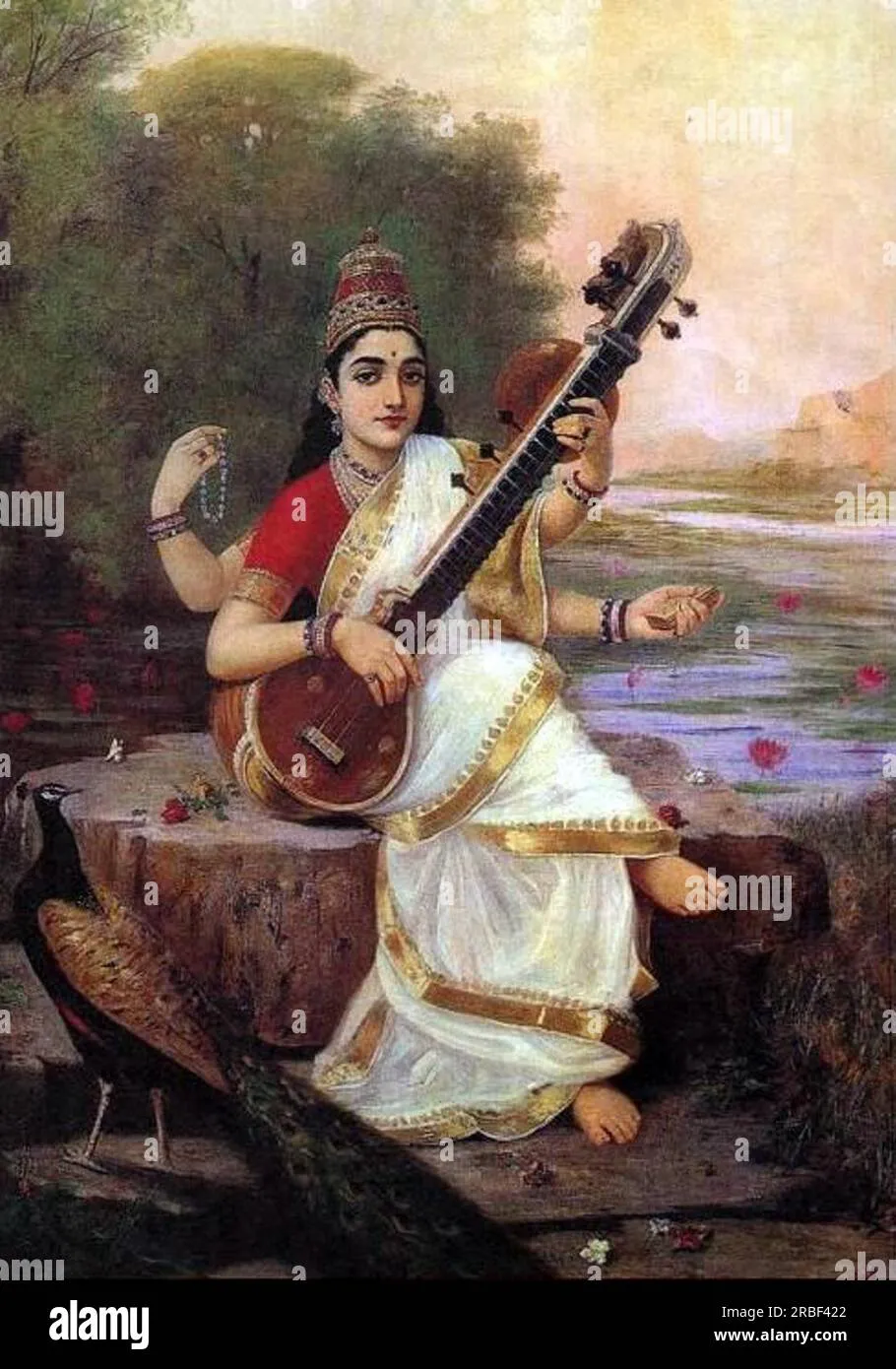
Raja Ravi Varma, born in 1848 in Kilimanoor, Kerala, is celebrated as the ‘Father of Modern Indian Art.’ His works have transcended time, capturing the hearts of art lovers and collectors alike. Among his most cherished pieces is the painting Yashoda and Krishna, which depicts a tender moment between the infant Krishna and his mother, Yashoda. This painting, created in the 1890s at the height of Varma’s illustrious career, has recently made headlines for its record-breaking sale.
On April 1, 2026, during Saffronart’s Spring Live Auction in Mumbai, Yashoda and Krishna was sold for an astonishing ₹167.2 crore (approximately $17.98 million), shattering its pre-auction estimate of ₹80–120 crore. This sale not only marks a significant milestone in the art market but also underscores the enduring cultural and emotional resonance of Indian art.
The previous record for Indian art was held by M.F. Husain’s Untitled (Gram Yatra), which sold for over ₹118 crore. The sale of Varma’s painting has thus set a new benchmark, drawing attention to the rich heritage of Indian artistry. Minal Vazirani, co-founder of Saffronart, remarked, “Great art has a way of reaffirming its timeless value… It is not just a milestone for the market, but a powerful reminder of the enduring cultural and emotional resonance of Indian art.”
Cyrus S Poonawalla, the buyer of the painting, expressed his deep appreciation for the acquisition, stating, “I am privileged to have the opportunity to acquire, preserve, and care for the iconic Raja Ravi Varma painting Yashoda and Krishna.” He further emphasized the importance of making such national treasures available for public viewing, indicating his commitment to facilitating this in the future.
The painting, an oil on canvas, captures a moment of maternal love, showcasing Varma’s exceptional ability to convey emotion through his art. Initially listed under the title Milching a Cow in a 1911 publication, Yashoda and Krishna has now become a symbol of the rich narrative tradition in Indian art.
As the news of this record-breaking sale spreads, it has sparked conversations about the significance of preserving and promoting Indian art. Pooyam Thirunal Gouri Parvathi Bayi, a descendant of Varma, expressed pride in her great-grandfather’s recognition, stating, “I am proud that my great-grandfather is getting the recognition he deserves.” This sentiment resonates with many who view Varma’s work as a vital part of India’s cultural identity.
Observers anticipate that this sale will inspire a renewed interest in Indian art, encouraging collectors and institutions to invest in and showcase works by artists like Raja Ravi Varma. As the art world reflects on this historic moment, the legacy of Varma continues to shine brightly, reminding us of the profound connections between art, culture, and history.
In a time when the value of art is often measured in monetary terms, the sale of Yashoda and Krishna serves as a powerful reminder of the emotional and cultural significance that art holds in society. As Cyrus S Poonawalla looks to the future, he aims to ensure that this masterpiece is not only preserved but also celebrated by the public, fostering a deeper appreciation for the artistic heritage of India.