How it unfolded
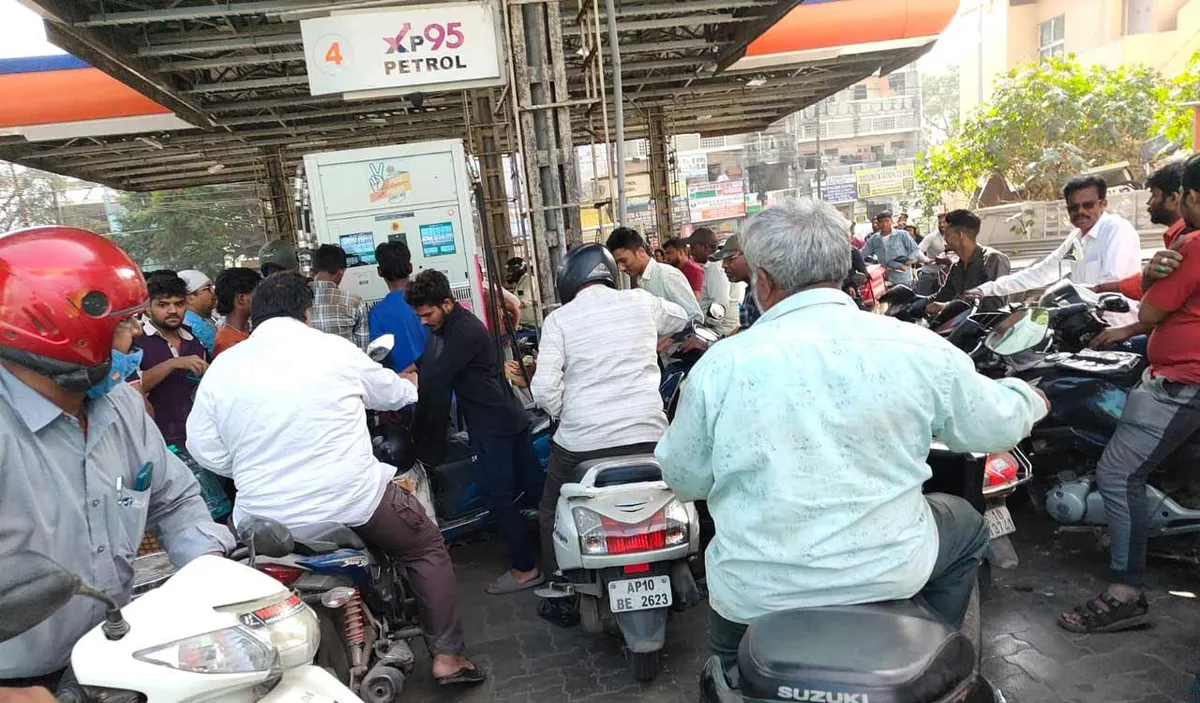
Just before the evening rush on a typical day in Indore, a city bustling with activity, whispers began to circulate about a potential shortage of petrol. As the sun dipped lower in the sky, the atmosphere shifted from routine to anxious, with motorists suddenly concerned about their fuel supplies. The panic was palpable, fueled by messages spreading through social media that suggested petrol pumps might soon run dry.
On March 25, 2023, amidst this growing unease, the government stepped in to quell the fears. Officials reassured the public that there was no shortage of essential fuels across the country. M L Maru, the district supply controller, emphasized, “There is sufficient stock available and petrol pumps will continue to receive supplies.” This statement was crucial in attempting to restore calm among the anxious citizens of Indore.
Despite these reassurances, the reality on the ground was a bit more complicated. Some petrol pumps in Indore experienced short-term dry-outs due to a sudden rush of customers and delayed tanker arrivals. The district, which has around 275 fuel stations, sees a daily consumption of approximately 10 lakh litres of petrol and 15 lakh litres of diesel. This surge in demand, driven by panic, put a strain on the supply chain, albeit temporarily.
Rajendra Wasu, president of the Indore petrol dealers’ association, noted, “There was some delay in supply from a depot of one oil company which created panic in the evening. But there is no shortage of fuel.” His words aimed to reassure the public that the situation was under control, even as motorists like Rohit Sharma and Anjali Jain rushed to fill their tanks, driven by fear of running out of fuel.
In the broader context, the prices of petrol and diesel have remained stable despite geopolitical uncertainties affecting energy-producing regions in the Middle East. As of the same day, petrol was priced at ₹94.77 per litre in New Delhi, while diesel stood at ₹87.67 per litre. This stability in pricing is a relief for many, especially in a time when global energy prices are fluctuating.
Meanwhile, the Madhya Pradesh government, which oversees around 5,500 fuel stations across the state, has been proactive in managing the situation. In nearby Ujjain, for instance, petrol pumps reported adequate stocks of about 16,000 KL of petrol and 25,000 KL of diesel, further highlighting that the supply chain was not as strained as rumors suggested.
As the evening wore on, district administrations continued to assure citizens that there was no shortage of petrol, diesel, or cooking gas. The message was clear: while panic had driven many to the pumps, the reality was that supplies were stable and secure. The rush at petrol stations was a stark reminder of how quickly fear can spread, even in the face of reassurances from authorities.
Today, as Indore settles back into its routine, the incident serves as a lesson about the power of information and the importance of communication during times of uncertainty. The government’s commitment to maintaining fuel supplies is crucial for the daily lives of citizens, and as they move forward, the focus will remain on ensuring that such panic does not arise again in the future.