Who is involved
In recent years, the landscape of fuel pricing in India has been a contentious issue, with consumers often feeling the pinch of rising petrol and diesel costs. Prior to the recent excise duty cuts, the government had been under pressure as international crude prices surged from around $70 per barrel to nearly $122 per barrel. This increase had led to oil marketing companies incurring significant losses, estimated at around Rs 24 per litre on petrol and Rs 30 per litre on diesel. The expectation was that these rising costs would inevitably translate into higher retail prices for consumers.
However, a decisive moment arrived on March 27, 2026, when the government announced a substantial cut in excise duty on petrol and diesel. The excise duty on petrol was reduced from Rs 13 per litre to Rs 3, while the duty on diesel was slashed to zero from Rs 10 per litre. This move was unexpected, especially given the backdrop of soaring global crude prices and the financial strain on oil companies. The government’s decision was framed as a protective measure for consumers, with Finance Minister Nirmala Sitharaman stating, “The reduction in excise duty will provide protection to consumers from rise in prices.”
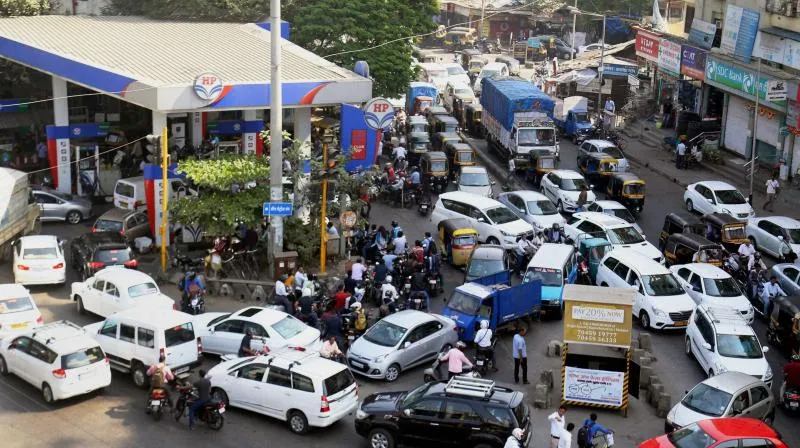
The immediate effects of this policy shift were felt across the board. While the excise duty cuts were intended to alleviate the burden on consumers, retail pump prices remained unchanged despite the duty reduction. This has led to questions about how quickly oil marketing companies will pass on the benefits of the duty cut to consumers. Oil Minister Hardeep Singh Puri acknowledged the difficult choice the government faced, remarking, “The government faced a choice between passing on the full impact to consumers or absorbing part of the shock.” This highlights the delicate balance the government is trying to maintain between consumer protection and the financial health of oil companies.
Experts have pointed out that while the excise duty cut may not lead to an immediate reduction in fuel prices, it could prevent further price hikes during a time of global uncertainty. The cut is expected to result in a revenue loss of INR 1.75 lakh crore annually, raising concerns about the long-term sustainability of such a policy. The benefit of the duty cut is being used to stabilize prices, not reduce them, indicating that the government is prioritizing consumer stability over immediate fiscal gains.
As the situation unfolds, the uncertainties surrounding the long-term impact of the excise duty cut on retail fuel prices remain. Details remain unconfirmed regarding how oil marketing companies will adjust their pricing strategies in light of these changes. The government’s decision to impose export duties of INR 21.5 per litre on diesel and INR 29.5 per litre on aviation turbine fuel (ATF) further complicates the landscape, as it seeks to manage domestic supply and demand while addressing international market pressures.
In summary, the recent excise duty cuts on petrol and diesel represent a significant shift in the government’s approach to fuel pricing amid rising global costs. While the intention is to protect consumers, the complexities of the oil market and the financial realities faced by oil companies create a challenging environment for all parties involved. As the government navigates this new terrain, the impact of these changes will be closely monitored by consumers, industry experts, and policymakers alike.