Introduction
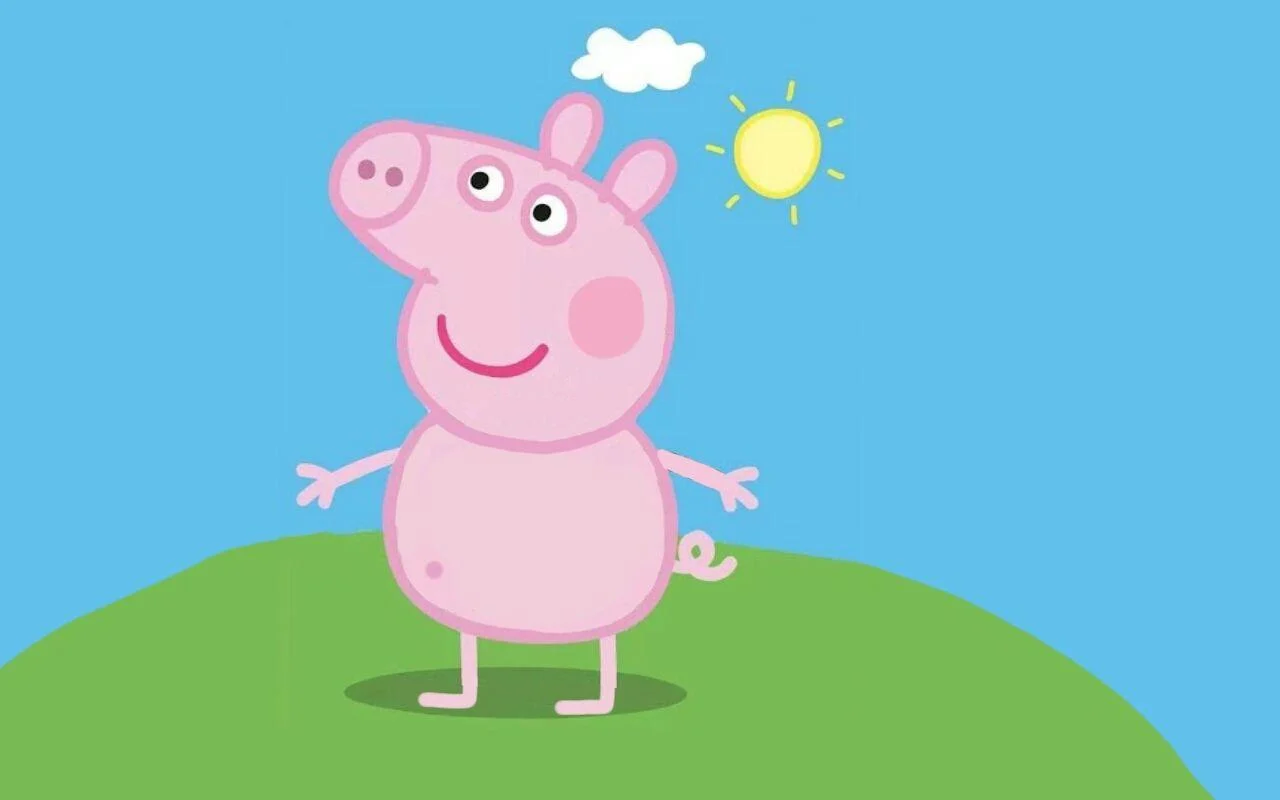
Peppa Pig, the animated television series featuring a cheeky little piggy and her family, has emerged as one of the most beloved characters in children’s entertainment since it first aired in 2004. This show, originally from the UK, has captured the hearts of millions worldwide, generating massive revenue through merchandise, educational content, and international adaptations. The significance of Peppa Pig extends beyond entertainment; it plays a key role in early childhood development, teaching values, social skills, and basic language.
The Phenomenon of Peppa Pig
Created by Neville Astley and Mark Baker, Peppa Pig has successfully aired in more than 180 countries and has been translated into over 40 languages. The simple yet relatable storylines resonate with preschoolers, focusing on family, friendship, and community. Characters like George, Mummy Pig, and Daddy Pig, along with Peppa, explore everyday situations, allowing young viewers to learn and grow alongside them. A recent report by the British Association for Early Childhood Education (BAECE) highlighted how shows like Peppa Pig can foster cognitive and social growth in children aged 2-5 years.
Merchandise and Educational Initiatives
The reach of Peppa Pig extends far beyond television. With a wide array of products ranging from toys to clothing, it has become a staple in children’s playtime. In 2023, Peppa Pig merchandise sales were projected to exceed £200 million, making it one of the most lucrative children’s franchises. Additionally, recent educational initiatives, including interactive apps and workshops that utilise Peppa Pig’s characters, are making waves in early learning environments. Schools and nurseries across the UK are incorporating Peppa Pig content into their curricula, leveraging the show’s themes to teach social skills and basic problem-solving.
Challenges and Future of Peppa Pig
Despite its successes, the franchise is not without challenges, particularly in the realm of digital competition where new content is continuously emerging. The show’s creators are adapting by introducing new characters and storylines while maintaining Peppa’s core values. As technology advances, Peppa Pig aims to expand its digital footprint, potentially reaching audiences through augmented reality experiences and interactive games.
Conclusion
Peppa Pig continues to be a significant figure in children’s media, illustrating the power of storytelling in early education. As it evolves in the coming years, the focus will remain on nurturing young minds while providing joy and entertainment. Its impact on childhood learning and development cannot be overstated, making it a crucial part of many children’s formative experiences. As parents and educators alike embrace the franchise, Peppa Pig is set to maintain its relevance and influence for years to come.