Who is involved
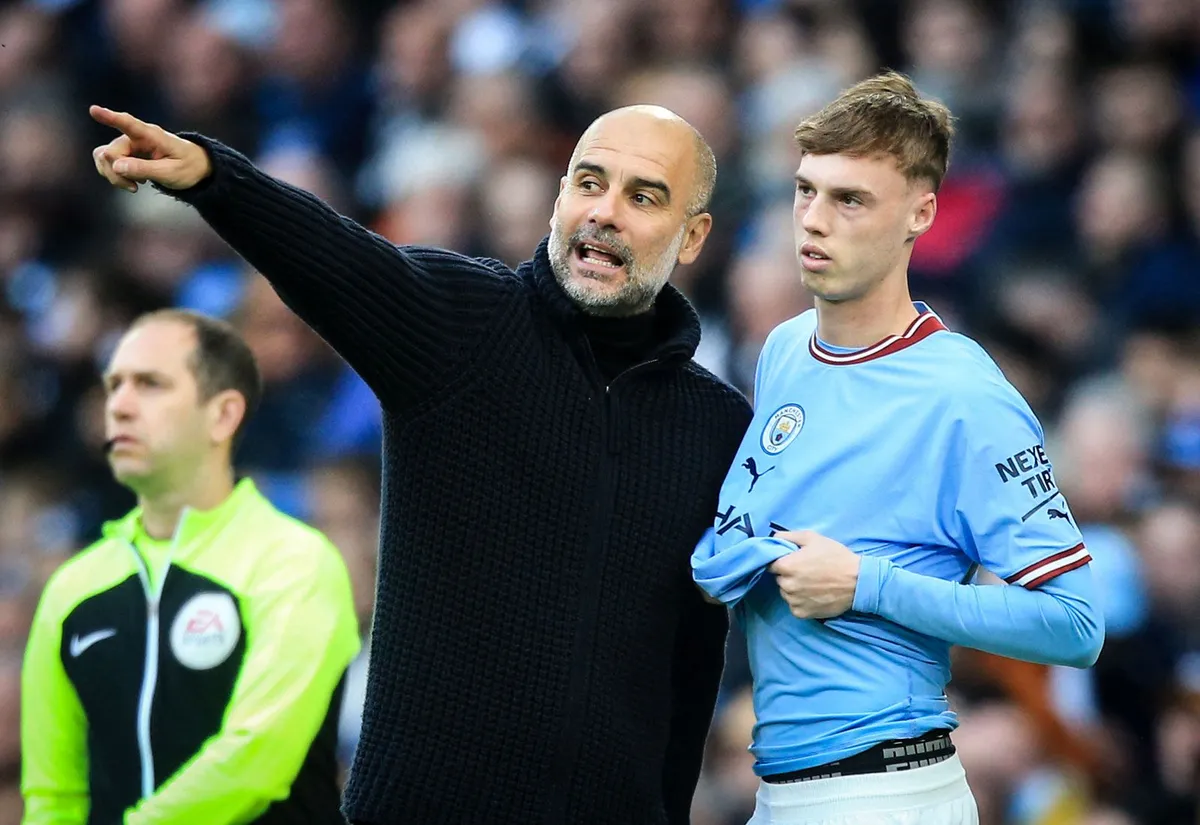
Pep Guardiola has been at the helm of Manchester City since 2016, a period marked by remarkable domestic success and the hope of achieving European glory. His arrival was heralded as a transformative moment for the club, with expectations soaring as fans envisioned a new era of footballing excellence. Guardiola’s tactical acumen and ability to nurture talent led to the team clinching four consecutive Premier League titles, solidifying his reputation as one of the best managers in the game.
However, the narrative began to shift as Manchester City faced a series of setbacks in the UEFA Champions League, particularly against their arch-rivals, Real Madrid. For three consecutive seasons, City found themselves eliminated by Madrid, a stark contrast to the initial optimism surrounding Guardiola’s tenure. This pattern of disappointment in Europe has raised questions about the manager’s ability to translate domestic success into continental triumph, a goal that has eluded him despite his impressive track record.
The decisive moment came during the 2023-24 season when Manchester City conceded 44 goals, marking the first time in Guardiola’s era that the tally crossed the 40 threshold. This defensive vulnerability was a significant departure from the team’s previous standards, where Guardiola’s squads averaged a staggering 66.43% possession in his first eight seasons. In stark contrast, the last two seasons have seen that figure drop to 60.7%, indicating a shift in the team’s playing style and effectiveness.
As the season progressed, Guardiola’s frustration became palpable. He openly acknowledged his missteps, stating, “Bad selection, now you can criticise me incredibly, for the selection, now I deserve it.” This admission reflected the mounting pressure on him as the team struggled to keep pace with rivals like Arsenal, trailing by nine points in the Premier League. The weight of expectation was heavy, and Guardiola’s candidness about his situation revealed the internal conflicts he faced.
On the pitch, players like Erling Haaland and Nico O’Reilly emerged as pivotal figures in the team’s dynamics. Haaland, who scored an impressive 52 goals in all competitions in 2022, continued to be a focal point for City. Meanwhile, O’Reilly’s contributions, including two goals in the League Cup final against Arsenal, showcased the depth of talent within the squad. Guardiola praised O’Reilly, stating, “Nico has given us the physicality we need in the middle,” highlighting the importance of fresh talent in navigating the challenges ahead.
Despite the setbacks, Guardiola’s commitment to the club remained evident. His declaration, “I am closer to leaving than staying,” sent shockwaves through the football community, underscoring the precarious nature of his position. The uncertainty surrounding his future added another layer of complexity to an already tumultuous season, leaving fans and analysts alike to ponder the implications of his potential departure.
As experts analyze the current state of Manchester City under Guardiola, the consensus is that the team must adapt to the evolving landscape of football. The challenges faced in recent seasons serve as a reminder that even the most successful managers must continually innovate and respond to the shifting dynamics of the game. With the pressure mounting and the stakes higher than ever, Guardiola’s next steps will be crucial in determining the future trajectory of Manchester City.