How it unfolded
As the sun rose on March 15, 2026, North Korea prepared for a day that would be etched in its political history. The atmosphere was charged with anticipation, as citizens were called to the polls to cast their votes in the parliamentary elections. This election was particularly significant, not only because it was a routine exercise of state power but also due to the unprecedented acknowledgment of dissenting votes, a rarity in the tightly controlled political landscape of North Korea.
Voter turnout was reported at an astonishing 99.99%, a figure that reflects the regime’s emphasis on participation, albeit under strict conditions. The Supreme People’s Assembly, which consists of 687 representatives, was the focal point of this electoral process. However, the candidates had already been pre-selected by the ruling Workers’ Party of Korea, leaving voters with little choice but to endorse the official candidates.
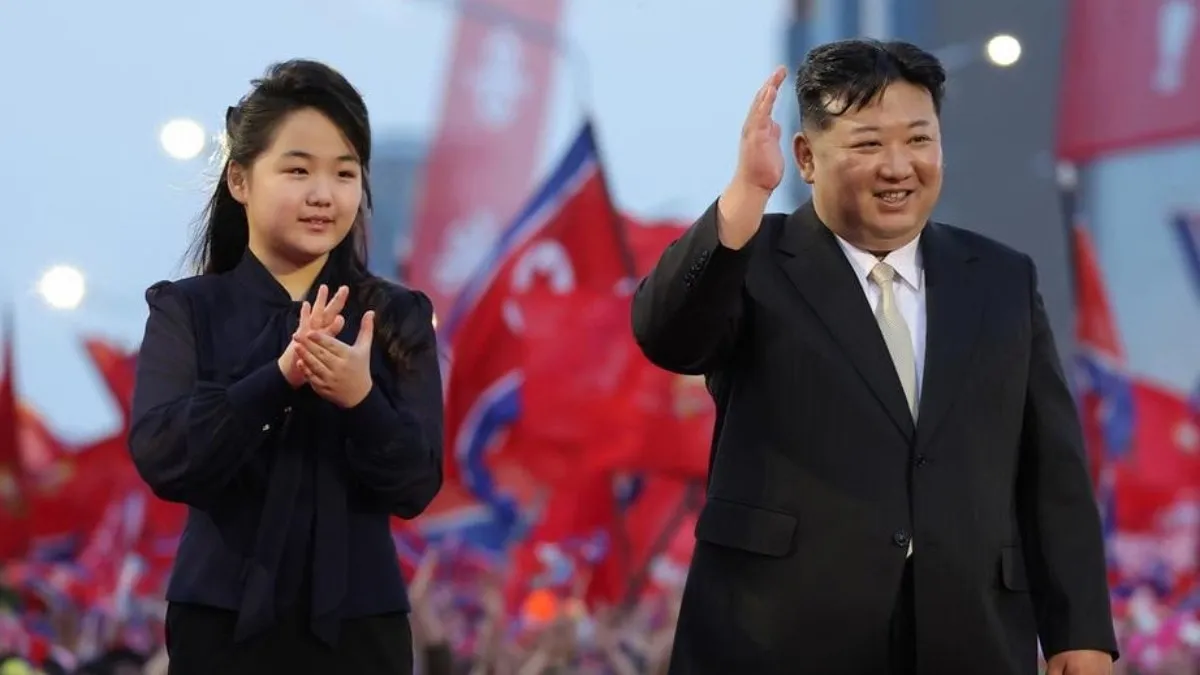
As the day progressed, the results began to trickle in. Kim Jong Un, who has been at the helm since 2011 following the death of his father, Kim Jong Il, scored an overwhelming 99.93% of the votes. This figure, while impressive, also raised eyebrows as it highlighted the lack of genuine electoral competition. In a surprising twist, 0.07% of voters chose to reject the official candidates, marking the first time since 1957 that dissenting votes were acknowledged in North Korea’s elections.
The implications of this acknowledgment are profound. It suggests a subtle shift in the political landscape, where even the smallest expression of dissent is now recorded, albeit under the watchful eye of the regime. The fact that 0.0037% of registered voters were unable to vote due to being abroad or at sea, and an almost negligible 0.00003% abstained altogether, indicates a tightly controlled electoral environment where participation is not just encouraged but expected.
As the results were finalized, the narrative of the election began to take shape. The overwhelming support for Kim Jong Un was celebrated by state media, framing it as a reaffirmation of the people’s loyalty to the regime. However, the acknowledgment of dissenting votes, even if minuscule, could signal a new era of political awareness among the populace, one where the regime might need to navigate the complexities of public sentiment more carefully.
In the days following the election, analysts and observers were left to ponder the significance of these results. While the overwhelming majority of votes for Kim Jong Un reinforces his grip on power, the recorded dissent could indicate a burgeoning awareness among the citizens. This election, while still firmly under the control of the Workers’ Party of Korea, may represent a crack in the facade of absolute loyalty that the regime has long relied upon.
As North Korea moves forward from this historic election, the world watches closely. The implications of these results extend beyond the borders of the country, as they may influence international perceptions and relations. The acknowledgment of dissent, however small, could be a harbinger of change in a nation that has long been synonymous with repression and control. For the citizens of North Korea, this election may be a small step towards a future where their voices, however faint, are heard in the corridors of power.