The question on many minds is: how serious is the threat of the Nipah virus in Kerala, India? The answer is that it remains a significant concern, particularly following recent outbreaks that have affected both healthcare workers and the general public.
The Nipah virus was first identified in Malaysia in 1999 and has since been linked to numerous outbreaks in various regions, including Kerala, where the first outbreak occurred in May 2018. Since then, Kerala has faced multiple Nipah virus outbreaks, with the most recent cases reported in 2023, highlighting the persistent nature of this deadly virus.
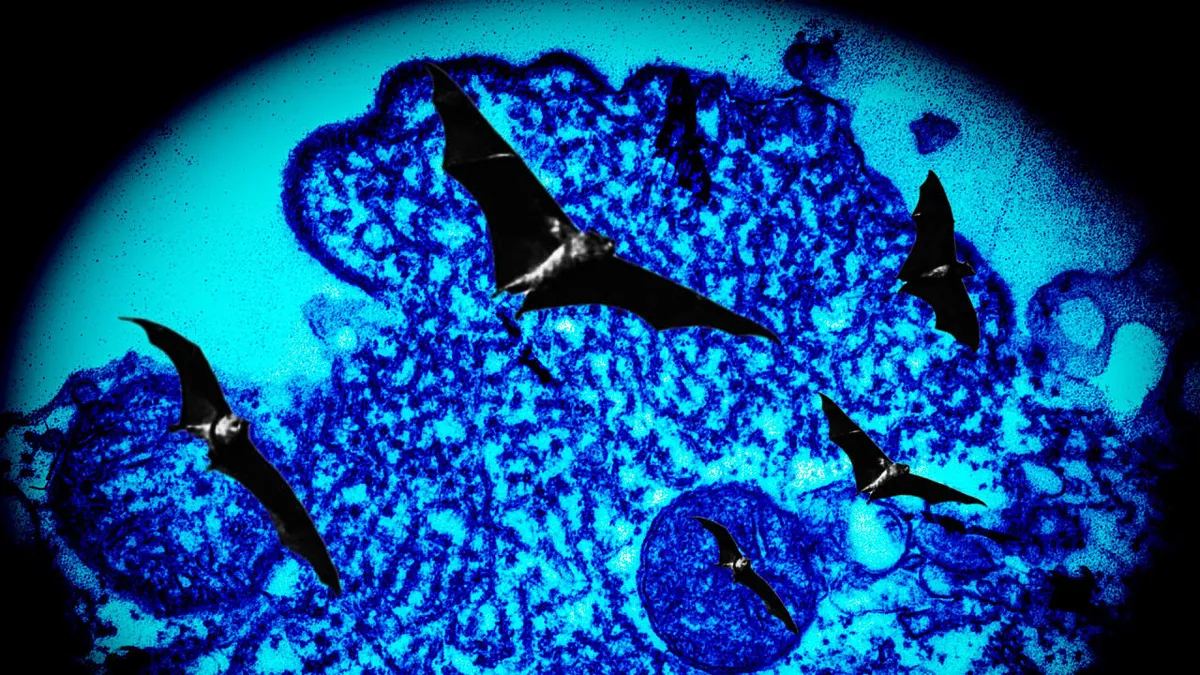
Transmission of the Nipah virus occurs through infected animals, particularly fruit bats, or contaminated food. Unfortunately, there are no licensed medicines or vaccines available for Nipah infection, which complicates the response efforts. As of 2026, Kerala has reported two deaths attributed to the virus, with health officials emphasizing the need for increased vigilance.
During the recent outbreak, two nurses in West Bengal fell into a coma after contracting the virus, raising alarms about the potential for widespread transmission. Kerala has seen a total of 700 individuals placed on contact lists for Nipah virus risk, with 77 classified as being in a high-risk category.
In the first outbreak in 2018, there were 18 confirmed cases and 17 deaths. The ongoing threat of Nipah virus is exacerbated by factors such as deforestation and urban expansion, which increase the likelihood of human-animal interactions that can lead to infection.
Dr. Anish, a local health expert, noted that “two of those who succumbed to the infection so far were children from Kozhikode and Malappuram districts,” underscoring the virus’s tragic impact on vulnerable populations. Awareness campaigns targeting children are planned in Kerala, as past infections have predominantly affected younger individuals.
Despite the ongoing threat, surveillance and preparedness for Nipah virus outbreaks have been criticized as poor and episodic. Scientists warn that “the danger of Nipah virus is in its persistence, that is, it is periodic, lethal, and preventable.” This highlights the urgent need for improved public health strategies.
As the fruiting season in Kerala approaches in April, which correlates with an increase in Nipah virus cases, health officials are urging the public to take precautions. Dr. Anish advises avoiding fruits lying on the ground or those bitten by bats, washing and peeling fruits before consumption, and steering clear of bat roosts.
While Kerala has experienced months without recorded cases of Nipah virus, the situation remains fluid, and health officials are on high alert. As the community grapples with this ongoing health threat, the need for robust surveillance and preventive measures has never been more critical.