Introduction
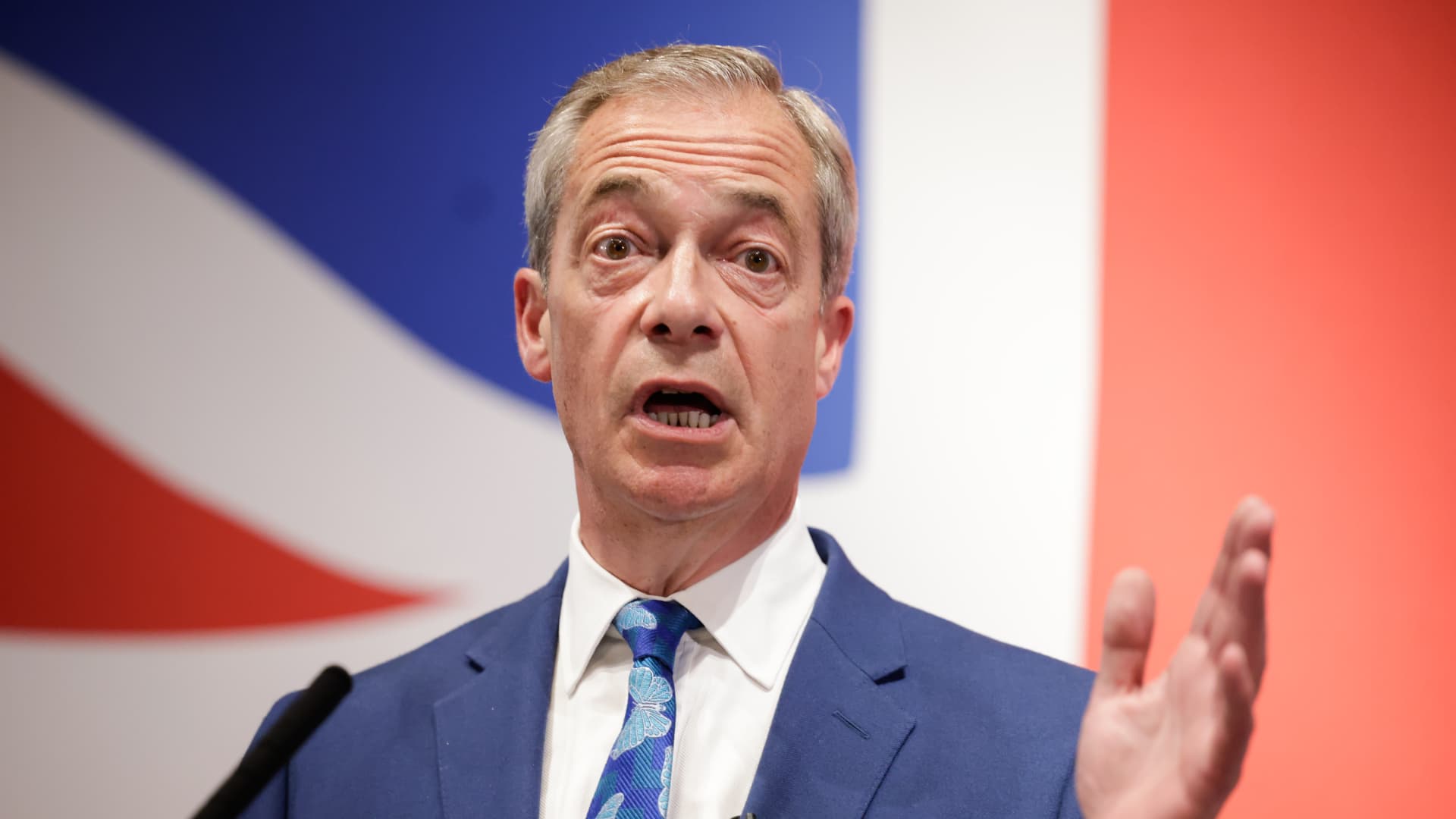
Nigel Farage has been a prominent figure in UK politics for over two decades, best known for his role in the Brexit referendum and his leadership of the UK Independence Party (UKIP). His political career has sparked intense debate across the country, making him a significant player in shaping contemporary British political discourse.
Farage’s Political Journey
Farage first entered politics in 1999 as a Member of the European Parliament (MEP), where he quickly gained a reputation for his outspoken criticism of the European Union. Leading UKIP, he campaigned vigorously for a referendum on the UK’s membership in the EU, culminating in the 2016 Brexit vote, which saw the majority of British voters choose to leave the union. His efforts and charisma played a pivotal role in mobilising public sentiment towards Britain’s exit from the EU.
Recent Developments
In recent months, Farage has remained a central figure in UK politics, leveraging social media to connect with supporters and voice his opinions on ongoing issues such as immigration, trade, and national sovereignty. Notably, he has been vocal about the instability surrounding the UK’s post-Brexit deal and its implications for the economy and immigration policies. Furthermore, his new political venture, the Reform UK party, seeks to address these challenges while advocating for further political reforms.
Impact and Significance
Farage’s influence extends beyond his immediate political activities. His staunch nationalism has fostered a growing populist sentiment in the UK, contributing to the rise of other right-leaning parties and shifting the Conservative Party’s policies on immigration and EU relations. Analysts argue that his rhetoric has reshaped the political landscape, signifying a broader movement towards populism and nationalism in Western democracies.
Conclusion
As the UK navigates the complexities of its post-Brexit future, Farage’s role remains as controversial and impactful as ever. His ability to galvanise support for nationalist causes suggests that he will remain a potent force in UK politics. Observers will be watching closely to see how his actions continue to influence both the political scene and public opinion in the months and years to come.