Introduction
The upcoming NHS pay rise for nurses in 2026 is poised to be a pivotal moment for healthcare in the United Kingdom. As the demand for qualified nursing professionals continues to escalate, this increase in pay aims not only to retain existing staff but also to attract new talent into the sector. The relevance of this topic cannot be overstated, as it affects the livelihood of healthcare workers and the overall quality of patient care across the NHS.
Current Landscape of NHS Nursing Pay
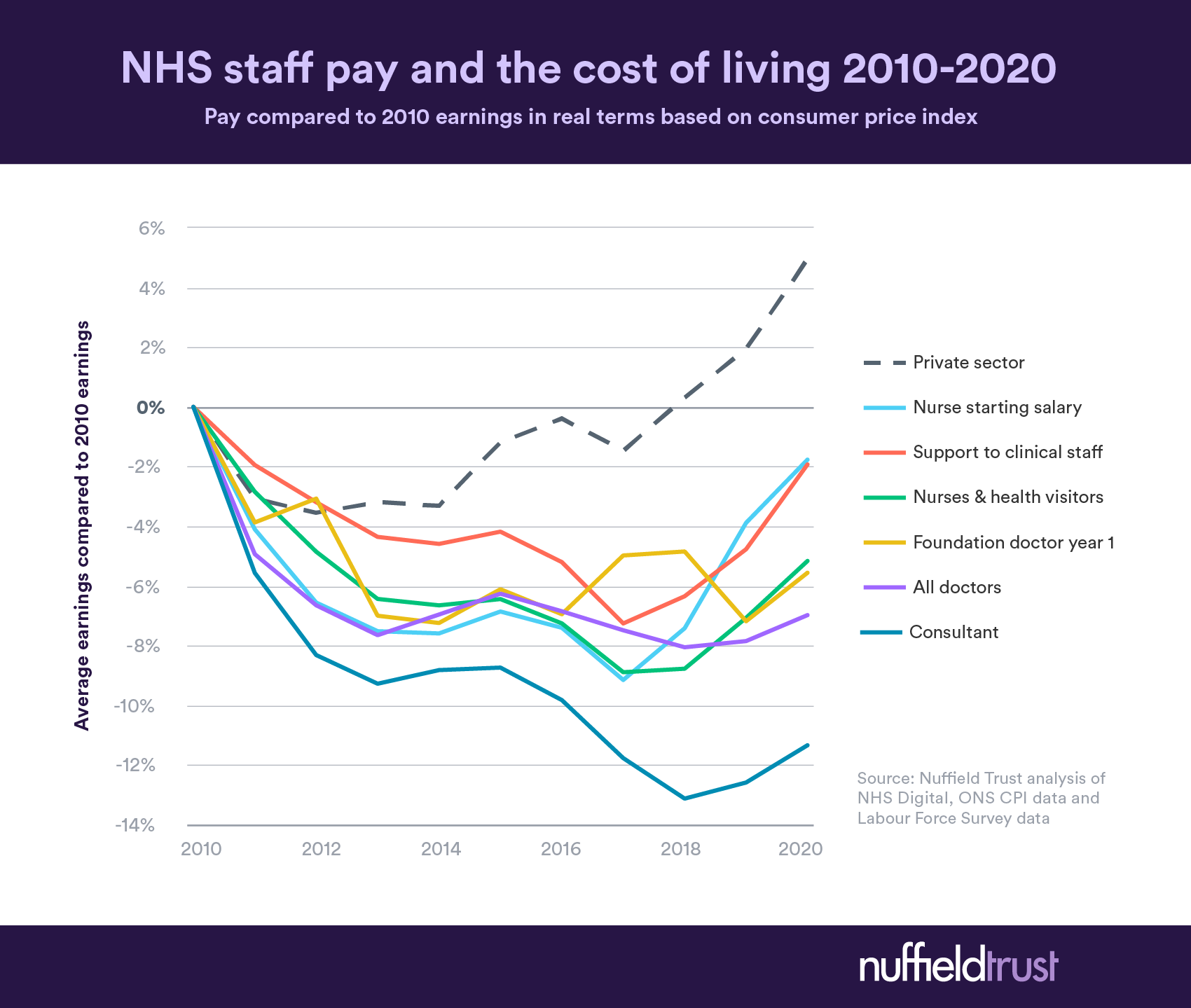
As of 2023, nurses in the NHS have been vocal about inadequate pay compared to the increasing demands of their roles. The NHS Pay Review Body has noted that despite previous pay increases, many nurses feel that their salaries do not reflect the vital services they provide. With inflation rates fluctuating, the conversation around fair compensation has gained momentum, leading to discussions about the proposed pay rise scheduled for 2026.
Details of the Proposed Pay Rise
The anticipated NHS pay rise for nurses in 2026 is part of a broader reform initiative intended to address staffing shortages and improve morale among healthcare workers. Specific figures have yet to be confirmed, but reports suggest that this pay rise could be significantly higher than usual annual increments, potentially increasing by an average of 7-10%. This adjustment seeks not only to offset inflation but also to make nursing positions more competitive with other sectors.
Reactions and Concerns
While many nurses have welcomed the news of a pay rise, concerns remain regarding its implementation and the funding required to support it. Healthcare unions are advocating for a transparent process, ensuring that pay rises do not compromise other areas of NHS funding. Additionally, there are worries that without adequate support and resources, the impact of a pay rise may be diminished by ongoing staff shortages or increased workloads.
Conclusion and Outlook
The NHS pay rise for 2026 represents a significant turning point for nurses and the healthcare system at large. If implemented effectively, it could lead to enhanced job satisfaction, reduced turnover rates, and ultimately, better patient care. Stakeholders are encouraged to engage in constructive dialogue as plans develop, ensuring that the voices of nurses are heard and considered. As we move closer to 2026, the significance of these conversations cannot be overlooked, with the potential for lasting change in the NHS workforce.