Introduction
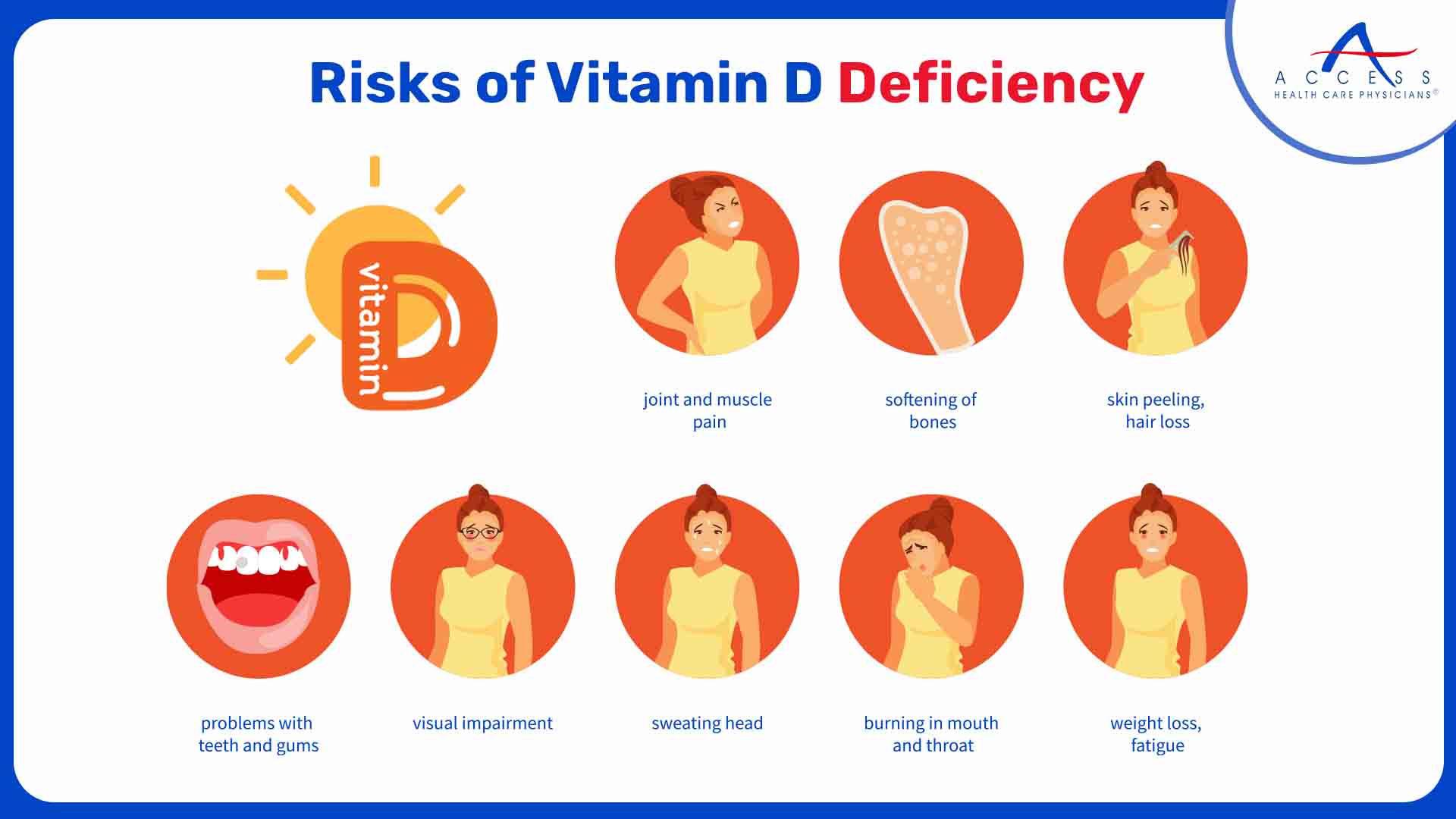
The National Health Service (NHS) has recently issued a significant warning regarding Vitamin D intake, emphasising the importance of this essential nutrient for overall health, particularly in the wake of the ongoing pandemic. With many individuals experiencing limited sun exposure during the winter months and public health campaigns encouraging social distancing, concerns have risen about Vitamin D deficiency and its potential health repercussions.
The Importance of Vitamin D
Vitamin D is crucial for maintaining bone health, supporting the immune system, and promoting muscle function. It aids in calcium absorption and plays a role in the prevention of various diseases. Recent studies have suggested a correlation between adequate Vitamin D levels and reduced risk of respiratory infections, including COVID-19, thus making it even more essential for individuals to monitor their intake.
NHS Warning Details
The NHS has highlighted that despite the known benefits, many people may be consuming insufficient amounts of Vitamin D. In their recent communications, they stated that around one in five adults in the UK have low levels of this vitamin, with higher prevalence seen in vulnerable populations, including the elderly and those with darker skin tones.
To combat Vitamin D deficiency, the NHS is encouraging the public to consider supplementation, especially during the autumn and winter months when natural sunlight is scarce. They recommend that individuals take a daily supplement of 10 micrograms of Vitamin D to ensure adequate levels. Furthermore, those at higher risk, including those living in care homes or who are housebound, may need to consult healthcare professionals for tailored advice on supplementation.
Recent Developments
In response to the NHS warning, health officials have ramped up public awareness campaigns, distributing information on dietary sources of Vitamin D, such as fatty fish, red meat, egg yolks, and fortified foods like breakfast cereals and dairy products. Additionally, the government has extended its free Vitamin D supplement programme designed for clinically vulnerable groups, ensuring aid reaches those who need it most.
Conclusion
The NHS’s recent Vitamin D warning serves as a critical reminder of the importance of this nutrient in maintaining health, particularly as seasonal changes affect natural sunlight exposure. With an increase in public health campaigns aimed at raising awareness, the hope is that individuals will be more proactive about their Vitamin D levels, effectively mitigating potential health risks. As research continues to evolve, regular monitoring and adherence to recommended intake levels are advisable for overall wellbeing.