Key moments
In a dramatic escalation of military tensions, Israeli fighter jets have targeted South Pars, the world’s largest natural-gas field, which is shared by Iran and Qatar. This operation, part of a broader strategy by the U.S. and Israel, aims to topple the Iranian government and diminish its influence across the region. The strikes come amid a backdrop of heightened hostilities, with President Trump demanding Iran’s unconditional surrender following the U.S.-Israeli strike that resulted in the death of Iran’s Supreme Leader.
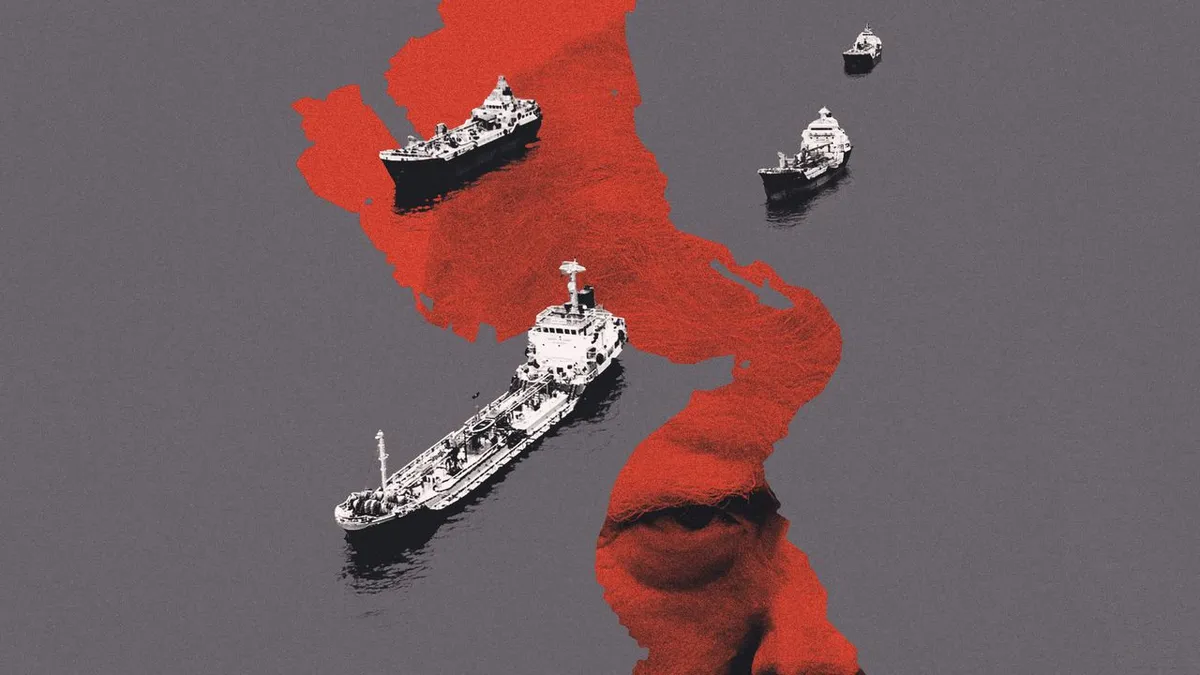
The Strait of Hormuz, a critical maritime chokepoint that is just 35 miles wide, is vital for the global economy, with one-fifth of the world’s oil and natural gas supply flowing through it. Iran has issued threats to shut down this strategic waterway as a means of deterring further U.S. and Israeli military actions. In a stark warning, Trump has given Iran 48 hours to fully open the Strait or face the obliteration of its power plants, a move that underscores the precarious balance of power in the region.
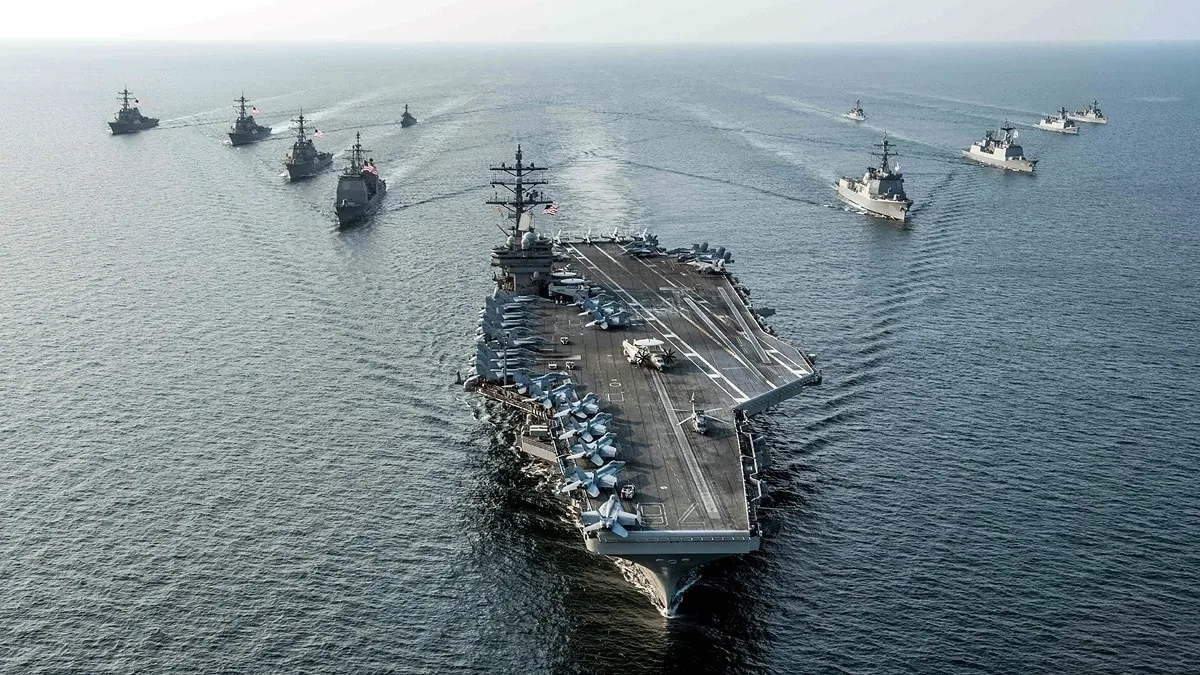
Operation Epic Fury, as it has been dubbed, reportedly aims to eliminate Iran’s leadership and degrade its capacity to project power and terrorize the West. This military intervention is characterized by its swiftness and decisiveness, echoing the principles of “peace through strength” that were famously championed by Ronald Reagan during the Cold War. The U.S. military has been working closely with Israel, indicating a unified front against what they perceive as a growing threat from Iran.
However, the implications of these actions extend beyond immediate military objectives. Critics of the current administration have drawn parallels between the ongoing situation and historical patterns of power dynamics, suggesting that the new world order is one where the weak are obliterated by the strong. Chris Hedges, a noted journalist, articulates this sentiment, stating, “The new world order is one where the weak are obliterated by the strong, the rule of law does not exist, genocide is an instrument of control and barbarism is triumphant.” Such reflections highlight the moral complexities surrounding military interventions.
As the situation unfolds, experts are weighing in on the potential outcomes. Robert Pape, a political scientist, notes that while Trump may need to negotiate a deal, the political price for such an agreement continues to rise, leaving little room for a diplomatic off-ramp. This precarious situation raises questions about the long-term strategy of the U.S. and its allies in the region, especially considering the historical context of U.S.-Iran relations over the past 47 years since the 1979 revolution.
In the background, the ruling class is often accused of exploiting the subjugated as property and commodities, a sentiment echoed by various commentators who argue that the current geopolitical landscape is shaped by the interests of a global elite. This exploitation raises ethical questions about the motivations behind military actions and the broader implications for civilian populations caught in the crossfire.
As the world watches these developments with bated breath, the potential for further escalation looms large. The threat of conflict in the Strait of Hormuz not only endangers regional stability but also poses significant risks to global energy supplies. The international community is left grappling with the reality that millions of people share the same vices, and as Erich Fromm once noted, “The fact that millions of people share the same vices does not make these vices virtues.” This stark reminder serves as a call for reflection on the path forward.
Details remain unconfirmed as the situation continues to evolve, but the ramifications of these military actions will likely resonate far beyond the immediate conflict, shaping the contours of a new world order that many are beginning to fear.