Introduction
The urban landscape of Saudi Arabia is undergoing a transformative shift with two ambitious projects at the forefront: NEOM and Al-Riyadh. NEOM is a $500 billion mega-city project envisioned to be a hub for technology and innovation, while Al-Riyadh, the capital of Saudi Arabia, is revitalising its urban infrastructure and environment. Understanding these projects is essential as they represent the Kingdom’s vision for a sustainable future and economic diversification beyond oil dependency.
NEOM: The Future City
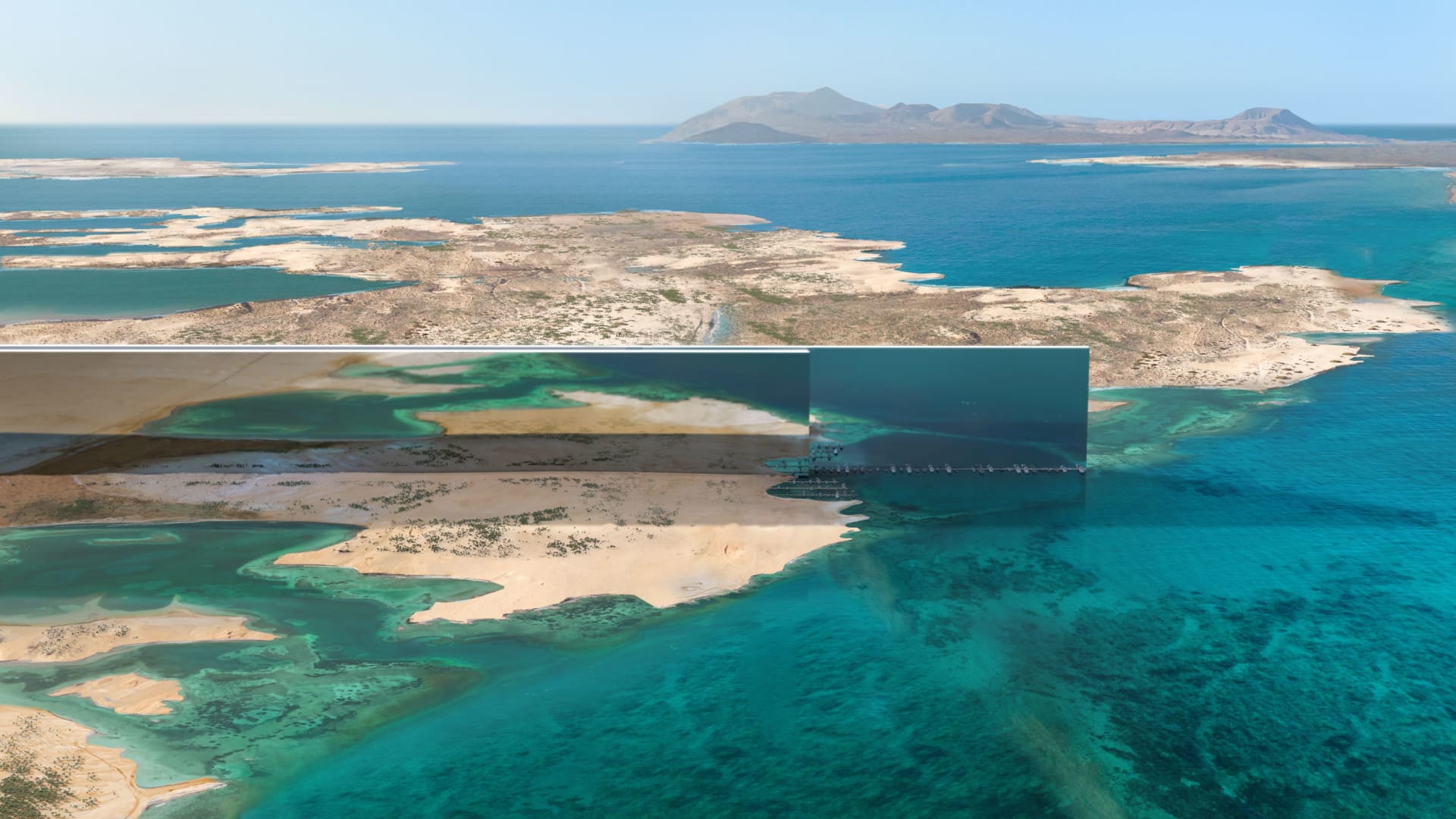
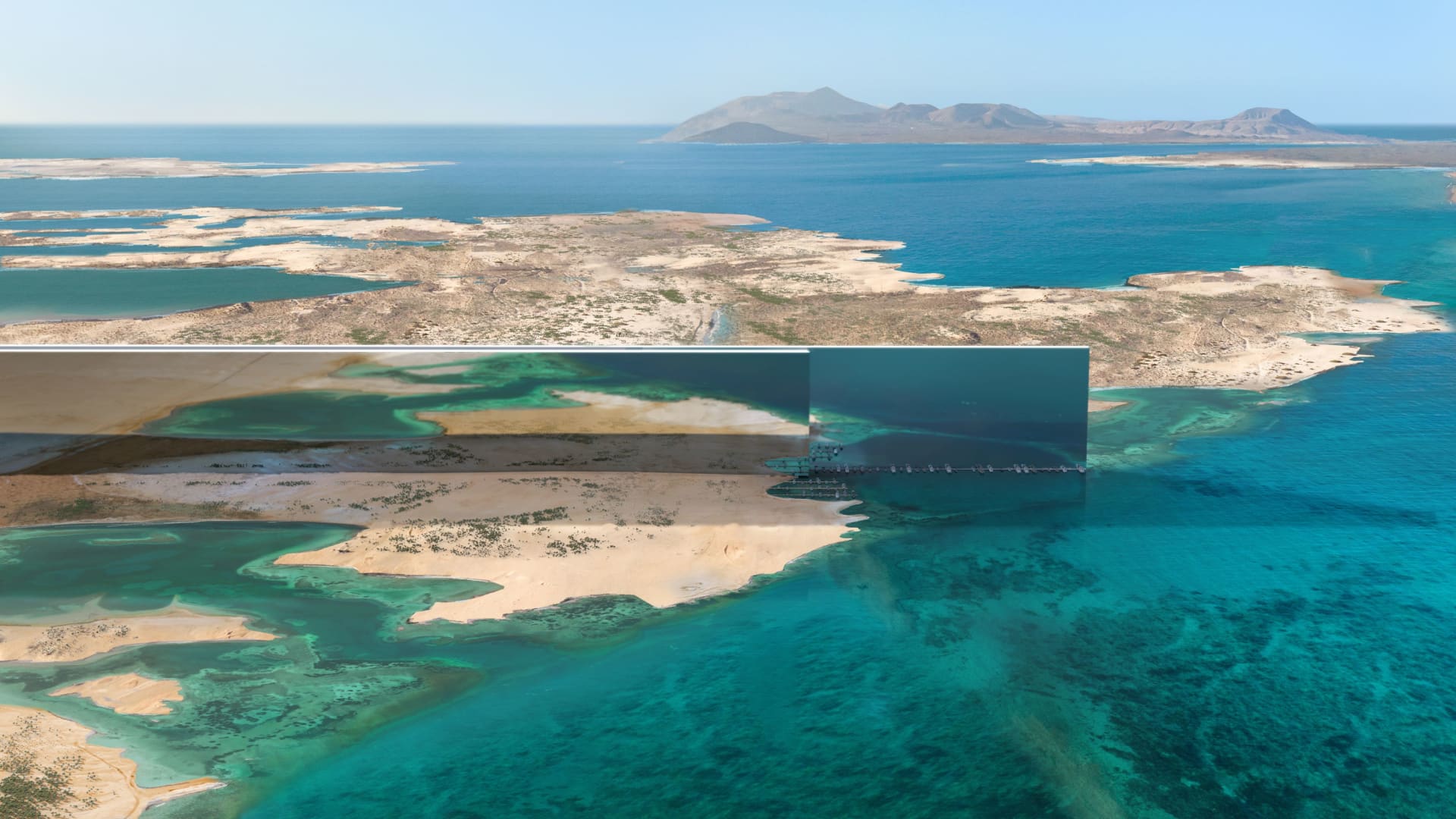
NEOM is an unprecedented development set to span 26,500 square kilometres in the Tabuk Province, located along the Red Sea. Launched in 2017, this futuristic smart city aims to integrate technology seamlessly into daily life. Key features of NEOM include its zero-carbon energy sources, sophisticated transport systems, and the use of AI to enhance living standards. The project has attracted significant international investment and aims to generate around 380,000 jobs by 2039. As of 2023, progress has been steady, with ongoing construction and the establishment of key facilities such as the Oxagon, designed to be the world’s largest floating structure.
Al-Riyadh: A City on the Rise
In contrast, Al-Riyadh is undergoing a comprehensive urban transformation plan valued at over $23 billion. This plan, known as the Riyadh Development Program, aims to improve the quality of life within the city by enhancing green spaces, expanding public transport, and increasing accessibility. The project is aligned with the Saudi Vision 2030 initiative, which sets forth ambitious goals for economic diversification and social reform. Recent developments include the construction of over 3,000 km of public transport networks and the introduction of new parks and recreational areas, focusing on sustainable urban living.
Comparative Analysis
When comparing NEOM and Al-Riyadh, it becomes evident that while both projects strive towards similar goals of modernisation and sustainability, their approaches differ significantly. NEOM is built from the ground up as an entirely new city, focused on future technologies and innovation, while Al-Riyadh seeks to revitalise its existing infrastructure with eco-friendly initiatives and improved city services. Furthermore, NEOM prioritises attracting global investors and experts, whereas Al-Riyadh consolidates its local economy and culture.
Conclusion
NEOM and Al-Riyadh exemplify Saudi Arabia’s drive towards a more sustainable and diversified economic future. As NEOM develops into a futuristic hub, Al-Riyadh will serve as a contemporary city melding history with modernity. Both projects highlight the Kingdom’s commitment to urban development and the creation of job opportunities. Observers can expect significant changes in both cities over the next decade, making them pivotal to Saudi Arabia’s growth narrative.