Introduction
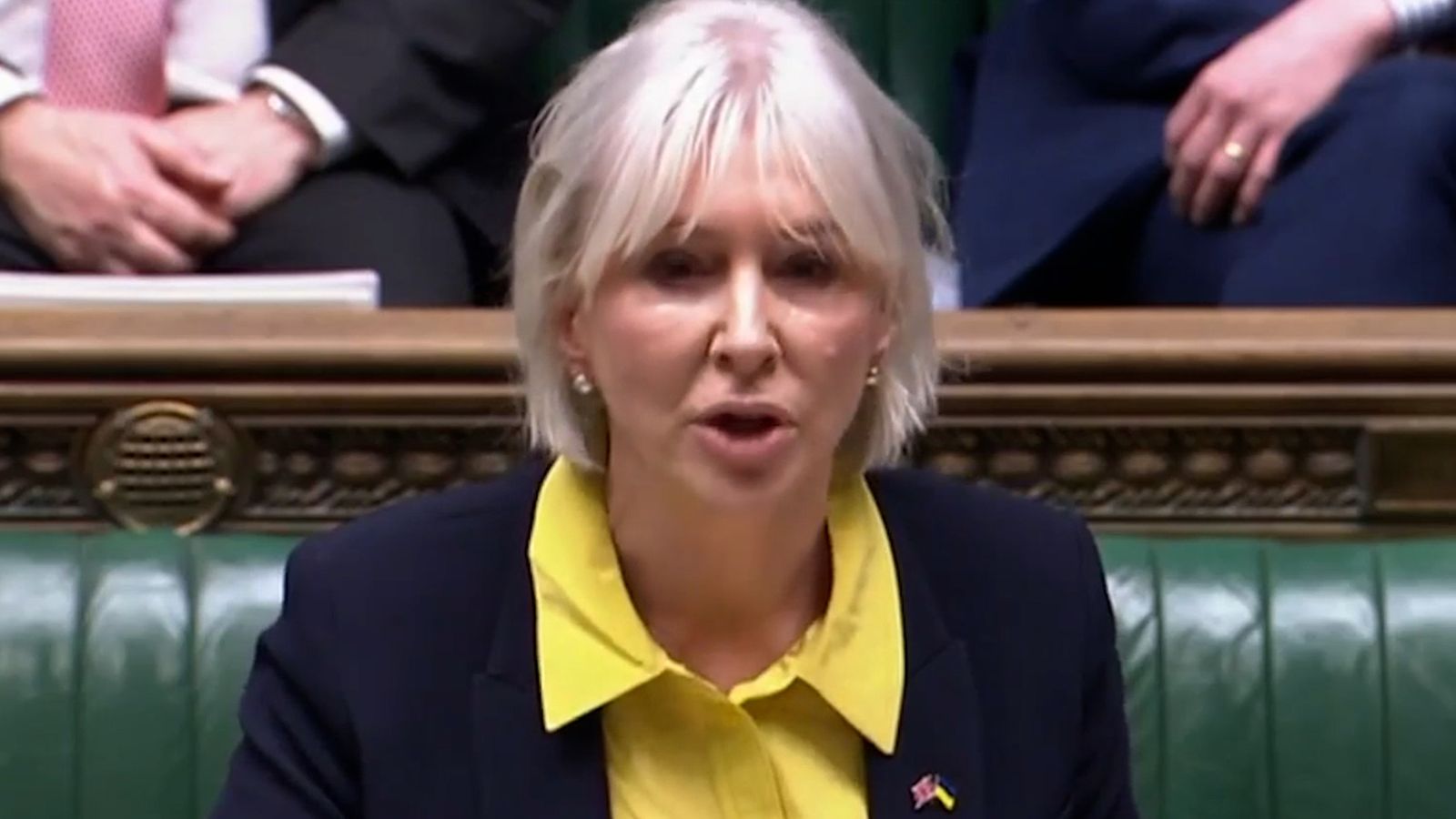
Nadine Dorries, a prominent British politician and former Culture Secretary, has been in the spotlight for her recent political activities and statements. As a key figure in the Conservative Party, her actions not only reflect her personal ambitions but also impact the broader UK political landscape amid ongoing debates about leadership and policy direction.
Political Journey
Dorries first made headlines in the political arena as the Member of Parliament for Mid Bedfordshire, a position she has held since 2005. Her tenure has been marked by a series of outspoken positions on various issues, including media regulation and cultural policies. Dorries rose to prominence during Boris Johnson’s premiership, serving in his cabinet as Secretary of State for Digital, Culture, Media and Sport. However, her resignation from this role in July 2022, amid criticisms of the government’s handling of various crises, signaled a shift in her political trajectory.
Recent Developments
In early 2023, Dorries announced that she would not seek reelection in the next general election, citing personal reasons and a desire to focus on her writing career. This unexpected decision has raised questions about the future of her political influence and the possible candidates that might emerge in her constituency. Dorries has remained a vocal critic of the current leadership within the Conservative Party, particularly regarding its direction and public trust.
Her recent comments on social media have also highlighted the growing divide within the Conservative Party, as internal factions continue to vie for power and influence. Analysts suggest that her departure from frontline politics may open the door for a new generation of leaders but may also exacerbate the existing divisions within the party.
Conclusion
Dorries’ evolving role signifies not only her personal journey but also reflects the ever-changing dynamics of UK politics. As the Conservative Party navigates a challenging period ahead, the implications of her decisions and future role could resonate well beyond her constituency, impacting party strategy and public perception. For readers, understanding these political shifts is vital as they shape the debates and decisions that will define the UK’s political framework in the years to come.