The wider picture
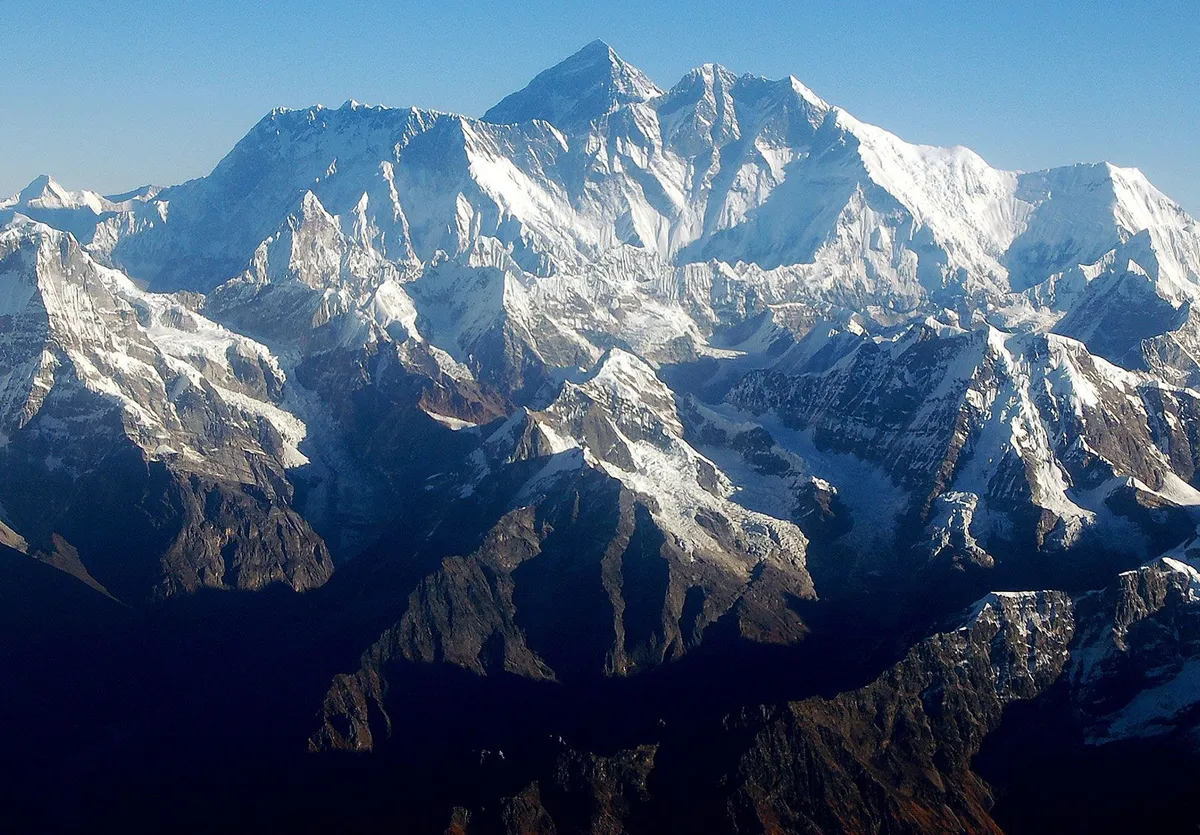
Mount Everest, the world’s highest peak, has long been a beacon for adventurers and climbers from around the globe. However, the majestic allure of this natural wonder has recently been overshadowed by a disturbing revelation: a $20 million insurance scam that has raised serious concerns about the integrity of the climbing industry in Nepal. This scandal has not only tarnished the reputation of the region but has also put the safety of climbers at risk.
In early April 2026, Nepal’s Central Investigation Bureau announced the arrest of ten individuals connected to this elaborate scheme, which allegedly involved staged rescues and fraudulent insurance claims. Over the course of three years, from 2022 to 2025, nearly 4,800 international climbers were treated at hospitals implicated in this scam, leading to the charging of 32 guides who played a role in the deception.
The investigation revealed that some guides went as far as to poison clients to create fake emergencies, allowing them to claim insurance payouts for helicopter rescues that were never needed. “Foreign tourists were systematically defrauded,” a spokesperson for the Central Investigation Bureau stated, highlighting the extent of the betrayal faced by those who sought to conquer Everest.
The Nepali government is now facing immense pressure to reform the climbing industry, especially under the leadership of newly appointed Prime Minister Balendra Shah, who took office in March 2026. Shah has expressed a commitment to ensuring the safety of climbers and restoring trust in Nepal’s climbing community. As part of these reforms, the government is investigating fraudulent helicopter rescues that have cost the nation $19 million.
In the midst of this turmoil, climbers like Kristin Harila are pushing the boundaries of human endurance. Harila is attempting a no-oxygen ascent of Everest, Lhotse, and Nuptse this year, showcasing the spirit of adventure that still thrives despite the surrounding chaos. Meanwhile, a Romanian climber is embarking on a nearly 1,300-mile journey from sea level to Everest, aiming to raise awareness for the challenges faced by climbers.
As the investigation unfolds, observers are keenly watching the developments. The use of drones to transport supplies on Everest in 2026 marks a significant shift in how expeditions are conducted, potentially improving safety and efficiency. However, the shadow of the insurance scam looms large, with many questioning how such a breach of trust could have occurred in a community that prides itself on camaraderie and shared passion for climbing.
Mingma David Sherpa, a prominent figure in the climbing community, emphasized the urgent need for reform, stating, “We need to reduce the number of people dying.” His words resonate deeply as the community grapples with the implications of this scandal. The Nepali police have also indicated that hospitals, helicopter operators, and guides are interconnected in this web of deceit, complicating the path to accountability.
As the investigation continues, the full extent of the insurance scam and the number of individuals involved remains unclear. Details remain unconfirmed, leaving many in the climbing community anxious about the future. The hope is that through transparency and reform, Mount Everest can regain its status as a symbol of adventure and resilience, rather than a cautionary tale of greed and betrayal.