How it unfolded
As the sun set over New Delhi, the atmosphere was thick with concern. The crisis in West Asia had been escalating for more than three weeks, creating ripples of anxiety among the Indian populace. With nearly one crore Indians living and working in Gulf countries, the stakes were high. Families anxiously awaited news of their loved ones, while the government prepared to respond to the unfolding situation.
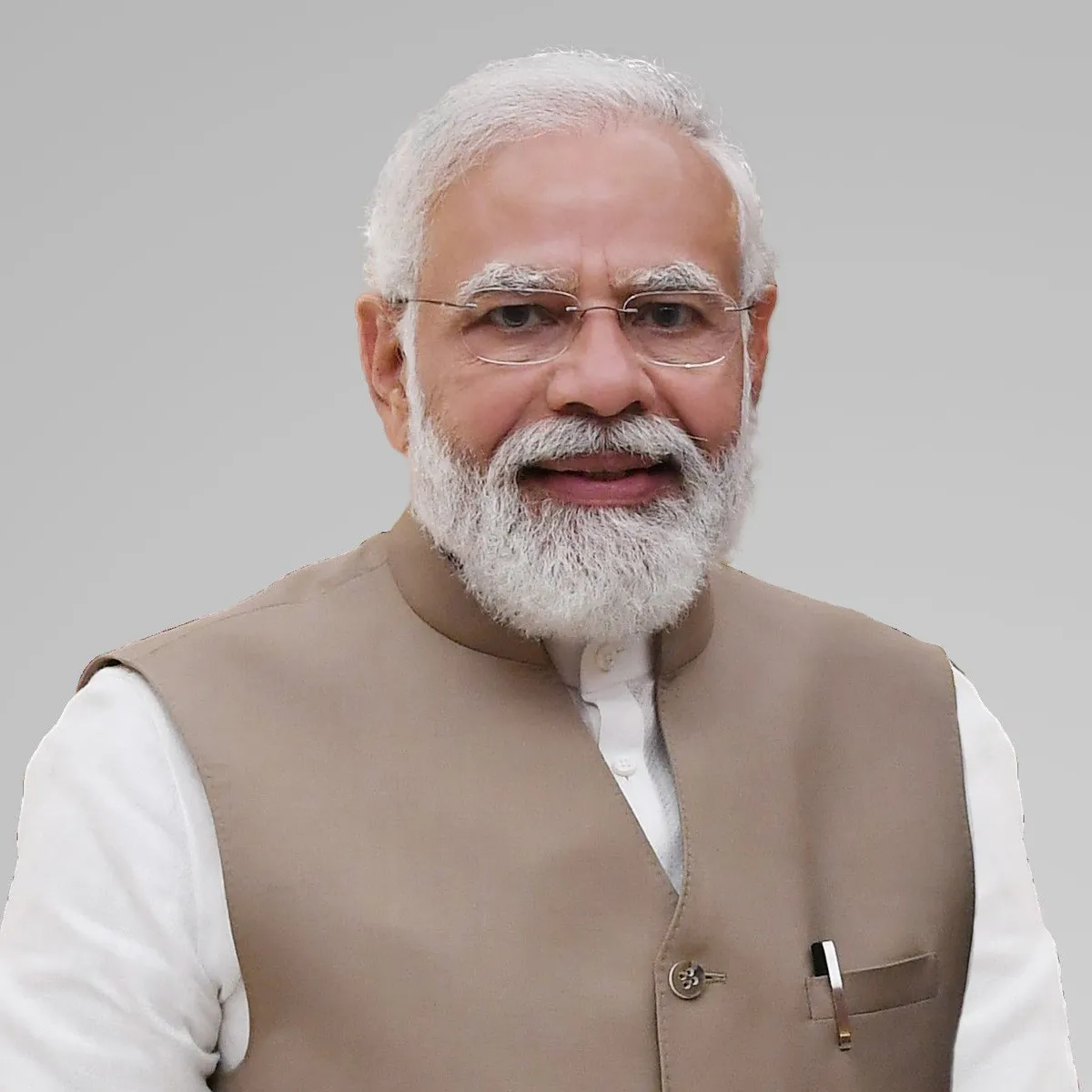
On a pivotal day, Prime Minister Modi addressed the nation, emphasizing the urgency of the situation. “The whole world is urging all parties for the earliest possible resolution of this crisis,” he stated, reflecting the global sentiment surrounding the conflict. His words resonated deeply, not just as a leader but as a fellow citizen concerned for the safety of those impacted.
In the days that followed, the Indian government took decisive steps to ensure the safety of its citizens abroad. More than 3,75,000 Indians had safely returned to India since the war began, a testament to the government’s commitment to its people. Emergency helplines and 24/7 control rooms were established, providing a lifeline for those stranded or in distress.
As the conflict escalated, the Prime Minister engaged with leaders from Gulf countries, Iran, Israel, and the United States. His diplomatic efforts aimed at de-escalation were clear when he remarked, “India has raised the issue of de-escalation and the reopening of the Strait of Hormuz.” This strategic waterway is crucial for global oil supply, and India’s interests were intertwined with the stability of the region.
The crisis also affected the education sector, as the CBSE announced the cancellation of scheduled Class 10th and 12th examinations in Indian schools across the Gulf. This decision, though necessary, left many students and parents grappling with uncertainty about their futures.
On the economic front, the Indian government monitored global developments closely to protect consumer and industry interests. With a Strategic Petroleum Reserve of over 53 lakh metric tonnes, India was better positioned to handle potential disruptions in oil supply. Over the past 11 years, the country had expanded its energy import sources from 27 to 41 countries, showcasing its proactive approach to energy security.
As the situation continues to evolve, the Prime Minister remains steadfast in his commitment to the Indian people. “Continuous efforts are also underway to determine how we can overcome the disruptions that have occurred in the supply chain,” he assured, highlighting the government’s resolve to navigate these turbulent waters.
For those directly affected by the conflict, the sequence of events matters profoundly. Families are torn apart, futures are uncertain, and the emotional toll is immeasurable. As India stands at this crossroads, the collective hope is for peace and stability to return to West Asia, allowing families to reunite and lives to resume.