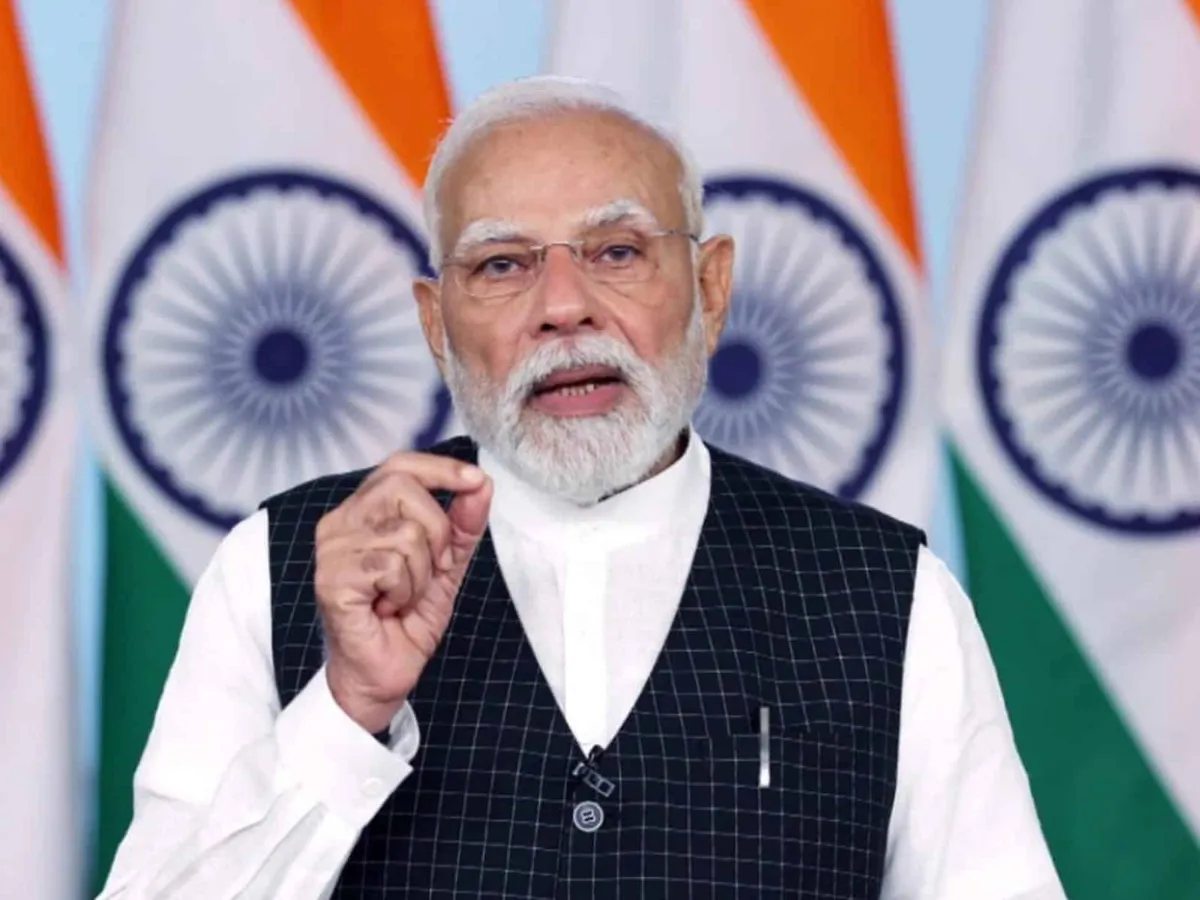
On March 23, 2026, just before the clock struck 2 PM, the atmosphere in the Indian Parliament was charged with urgency. Prime Minister Narendra Modi took to the floor of the Lok Sabha to address the ongoing crisis in West Asia, a situation that has been escalating for over three weeks and raising global concerns.
During his address, PM Modi highlighted the gravity of the situation, stating, “The situation in West Asia is worrisome. In the last 2-3 weeks, EAM Dr S Jaishankar and Union Minister Hardeep Puri have provided the details of the situation to the House.” His words resonated with the members, reflecting the anxiety felt across the nation.
Following his address, Modi chaired a high-level meeting of the Cabinet Committee on Security. This meeting was crucial as it aimed to strategize India’s response to the challenges posed by the conflict. Ministers were instructed to form dedicated groups to tackle emerging challenges related to the West Asia crisis, emphasizing the government’s proactive stance.
As the discussion unfolded, PM Modi noted, “This war has also created unforeseen challenges before India. These challenges are economic, related to national security, and humanitarian.” His acknowledgment of the multifaceted impact of the crisis underscored the seriousness with which the government is approaching the situation.
In terms of supply management, Modi assured the House that the government is actively managing challenges arising from disruptions around the Strait of Hormuz. He stated, “LPG supply for domestic use continues to be the government’s top focus, even as production within the country has increased over the years.” This commitment is vital for millions of households relying on LPG for daily cooking needs.
To further bolster India’s energy security, the Prime Minister revealed that India currently holds around 53 lakh metric tonnes of strategic petroleum reserves, with plans to expand this to 65 lakh metric tonnes. This strategic move reflects India’s intent to safeguard its energy needs amidst global uncertainties.
Moreover, Modi highlighted the diversification of India’s crude oil import sources, noting that the country now sources crude oil from 41 countries, a significant increase from the previous 27. This diversification is crucial in mitigating risks associated with geopolitical tensions.
Despite the ongoing crisis, PM Modi reassured the public that shipments of petroleum and gas have continued to reach India via the Hormuz route in recent days, showcasing the resilience of India’s supply chains.
As the situation in West Asia continues to evolve, the government’s response remains under close scrutiny. The implications of these developments are profound, affecting not just national security but also the economic stability of the nation.
With the stakes high, the government’s actions in the coming days will be pivotal in shaping India’s response to the West Asia crisis, ensuring that the needs of its citizens are met amidst global turmoil.