Introduction
Since its debut in 2005, Mock the Week has become a staple of British television, offering a unique blend of satire and comedy. The show, known for its quick-witted humour and topical discussions, has successfully captivated audiences by navigating current events with a comedic lens. Its relevance endures as it highlights the important role of satire in contemporary society, prompting viewers to reflect on the absurdities of current affairs.
The Format and Structure
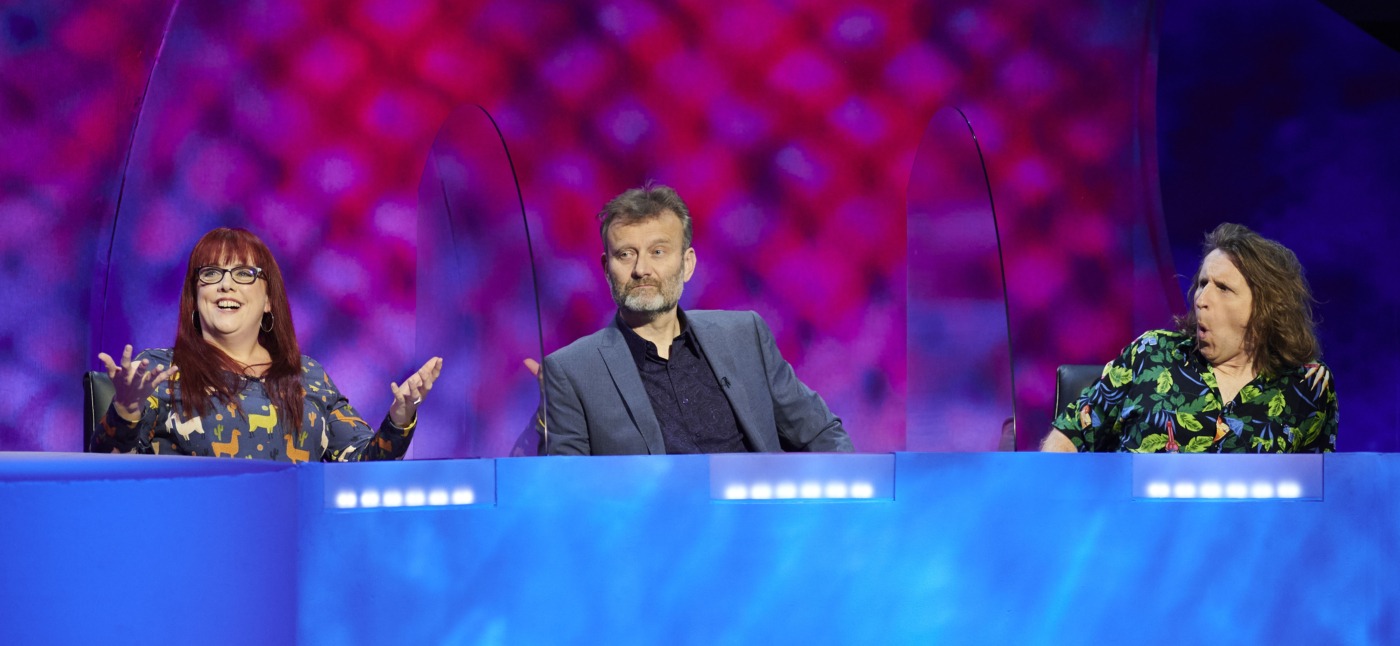
Mock the Week features a format that combines stand-up comedy with panel discussions, where regular guests and comedians engage in a friendly competition to provide the funniest commentary on the week’s news. Hosted by Dara Ó Briain, the show includes recurring segments that encourage improvisation and comedic creativity, making each episode unique. The blend of established comedians, such as Hugh Dennis and Russell Howard, paired with emerging talents, adds freshness to the show’s dynamics.
Recent Highlights
In recent episodes, the show has tackled a plethora of pressing issues ranging from political controversies, climate change, and global crises to lighter pop culture subjects. For instance, comedians have tackled the impact of Brexit and the circumstances surrounding the recent general elections with sharp humour, proving that laughter can often be a response to complex realities. Notably, the show’s ability to quickly incorporate current events has made it a must-watch for those who wish to stay informed while enjoying a good laugh.
Impact and Significance
Mock the Week’s influence extends beyond entertainment; it often sheds light on important issues and encourages viewers to think critically about the world around them. The satirical approach invites audiences to laugh while also promoting awareness and dialogue about societal problems. Additionally, the show’s format has inspired several other comedy programs, solidifying its role as a trailblazer in the realm of televised satire.
Forecast for the Future
As we move forward, the future of Mock the Week seems promising with its continued focus on topical humour and an ever-rotating cast of comedians. With the world constantly evolving, the show’s writers and comedians will have an endless stream of material to draw from, ensuring that it remains relevant and engaging. Audience interest continues to thrive, suggesting that Mock the Week will remain an essential fixture of British television for years to come.
Conclusion
In conclusion, Mock the Week stands as a significant part of the UK’s entertainment landscape. It not only brings humour into current affairs but also emphasizes the importance of humour in processing the complexities of modern life. As we look to the future, fans of the show can anticipate continued laughter while being challenged to think critically about the world around them.