Introduction
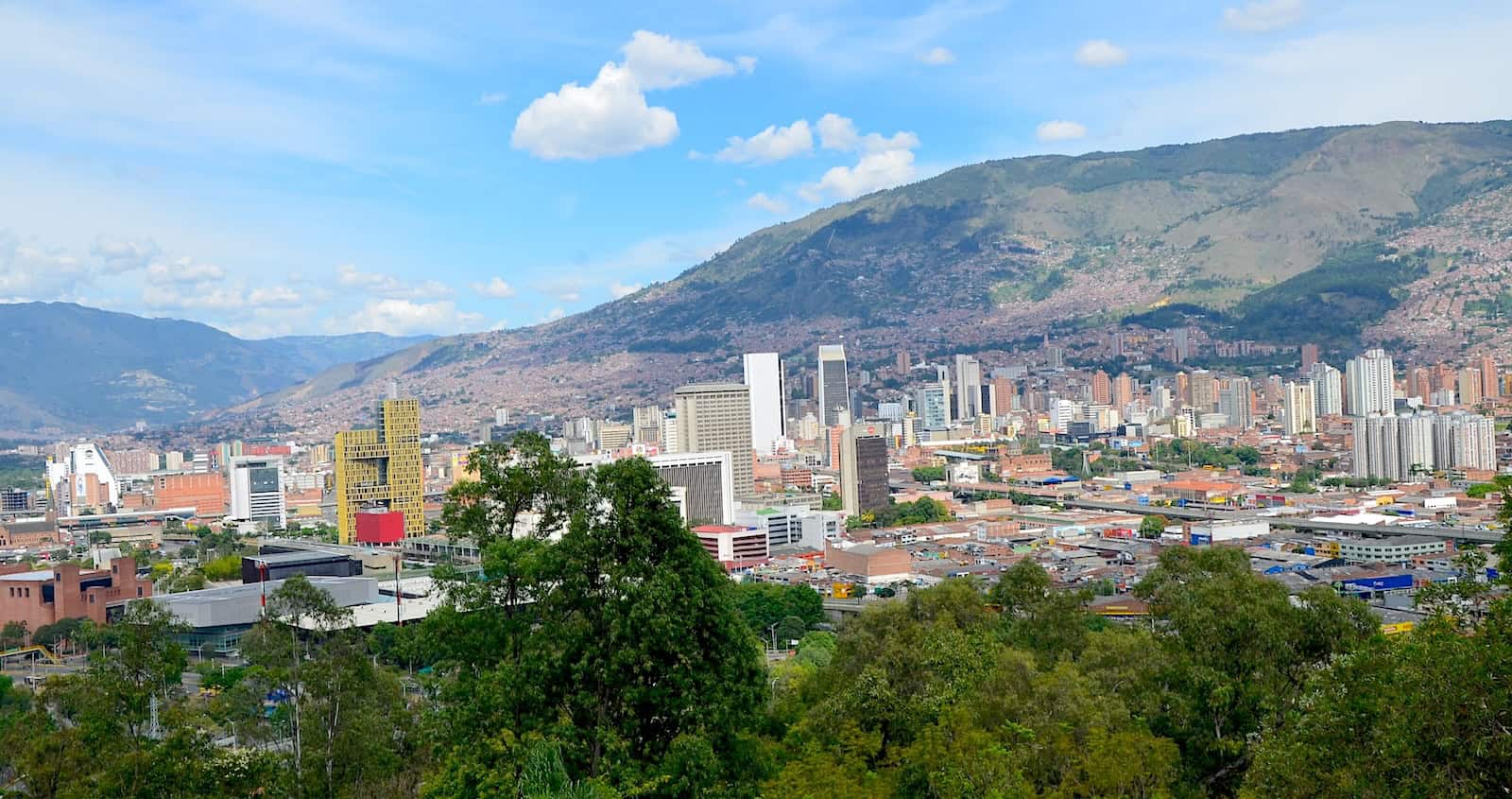
Medellin, the second-largest city in Colombia, has captured global attention due to its remarkable transformation over the past few decades. Once infamous for its association with drug cartels and violence, Medellin is now celebrated for its innovative urban projects, cultural richness, and vibrant social life. Understanding Medellin’s evolution is crucial not only for appreciating its local culture but also for recognising patterns of urban regeneration applicable to cities worldwide.
The Transformation of Medellin
In the late 20th century, Medellin was at the centre of drug-related violence, leading to a significant decline in quality of life. However, the city’s trajectory began to shift in the early 2000s when the local government initiated comprehensive urban reforms. The implementation of the “Medellin Model” focused on social inclusion through education, transportation, and public spaces.
One of the most iconic initiatives is the Metrocable, an aerial cable car system linking the impoverished hillside communities with the city centre. This development not only facilitated improved access to job opportunities and services but also fostered social cohesion. Public spaces were revitalised, with parks and libraries created to promote community engagement and cultural activities.
Current Developments and Events
As of 2023, Medellin continues to innovate. The city was chosen to host the “World Urban Forum 2022,” which gathered experts from around the world to discuss sustainable urban development. Additionally, Medellin boasts a thriving arts scene, with events like the annual International Festival of Poetry showcasing local and international talent.
The city’s embrace of technology is also noteworthy. Startups and tech companies are flourishing in Medellin, supported by government incentives and incubator programs. The surge in entrepreneurship indicates Medellin’s potential as a leading tech hub in Latin America.
Conclusion
Medellin’s transformation from a symbol of violence to a beacon of innovation and resilience illustrates the immense potential for urban regeneration. As the city continues to invest in social and technological advancements, it sets an example for others facing similar challenges. For residents and tourists alike, Medellin represents a vibrant culture filled with hope and opportunity, suggesting a bright future ahead. The city’s narrative serves as an inspiring blueprint for urban development worldwide.