Introduction
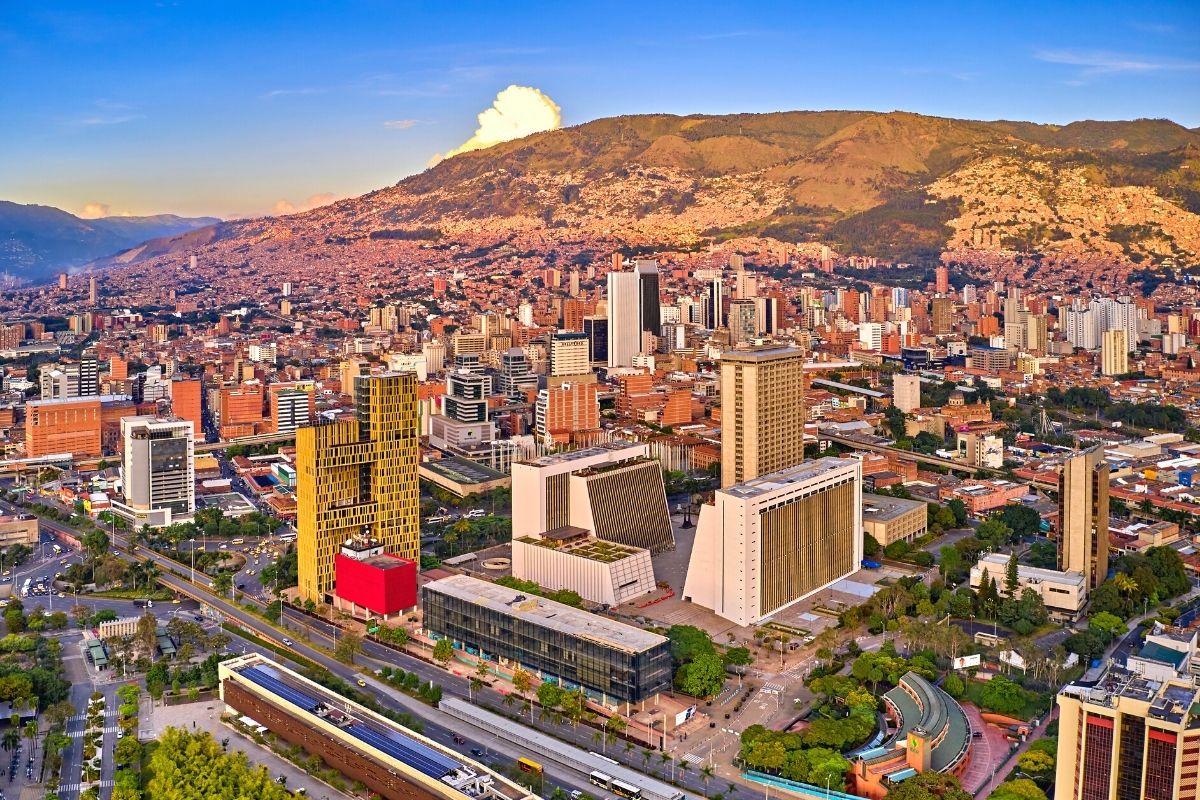
Medellín, the second-largest city in Colombia, is renowned for its remarkable transformation over the last few decades. Once infamous for violence and drug cartels, the city has reinvented itself into a hub of innovation, culture, and social development. This evolution is important not just for local residents but for international observers interested in urban redevelopment and social change.
The Transformation of Medellín
In the 1990s, Medellín grappled with social unrest and crime, primarily due to the notorious drug trade, epitomised by figures like Pablo Escobar. However, since the early 2000s, Medellín has embarked on a journey of regeneration. Notably, the city has prioritised infrastructure improvements, inclusive public policy, and cultural initiatives aimed at fostering community engagement.
Key Innovations and Developments
One of the cornerstones of Medellín’s transformation is the Metrocable, a cable car system that connects the city’s poorer neighbourhoods with the metro system. This innovative transportation solution not only provides mobility to marginalised communities but also enhances access to education and employment opportunities. Since its inception, the Metrocable has been a symbol of social equity.
Additionally, Medellín has invested heavily in education, creating libraries and cultural centres designed to enrich the population. For instance, the Biblioteca España, with its unique architectural design, offers resources and programs aimed at children and young adults. Such educational initiatives underscore the city’s commitment to building human capital.
Social and Cultural Impact
Today, Medellín is celebrated as an example of urban innovation; it was even awarded the ‘Innovative City of the Year’ in 2013. The city’s annual Medellín Flower Festival attracts thousands of tourists, showcasing the vibrant local culture through parades, music, and floral displays. The emergence of artistic districts, such as Comuna 13, reflects the community’s resilience and creativity, turning former hotspots of violence into places of art and connection.
Conclusion
Medellín’s transformation serves as a powerful case study in urban renewal. By addressing social issues through innovative infrastructure and community engagement, the city offers lessons on how urban spaces can overcome adversity. As Medellín continues on this path of development and growth, it will likely inspire cities worldwide grappling with similar challenges, revealing the potential for renewal and optimism in the face of history.