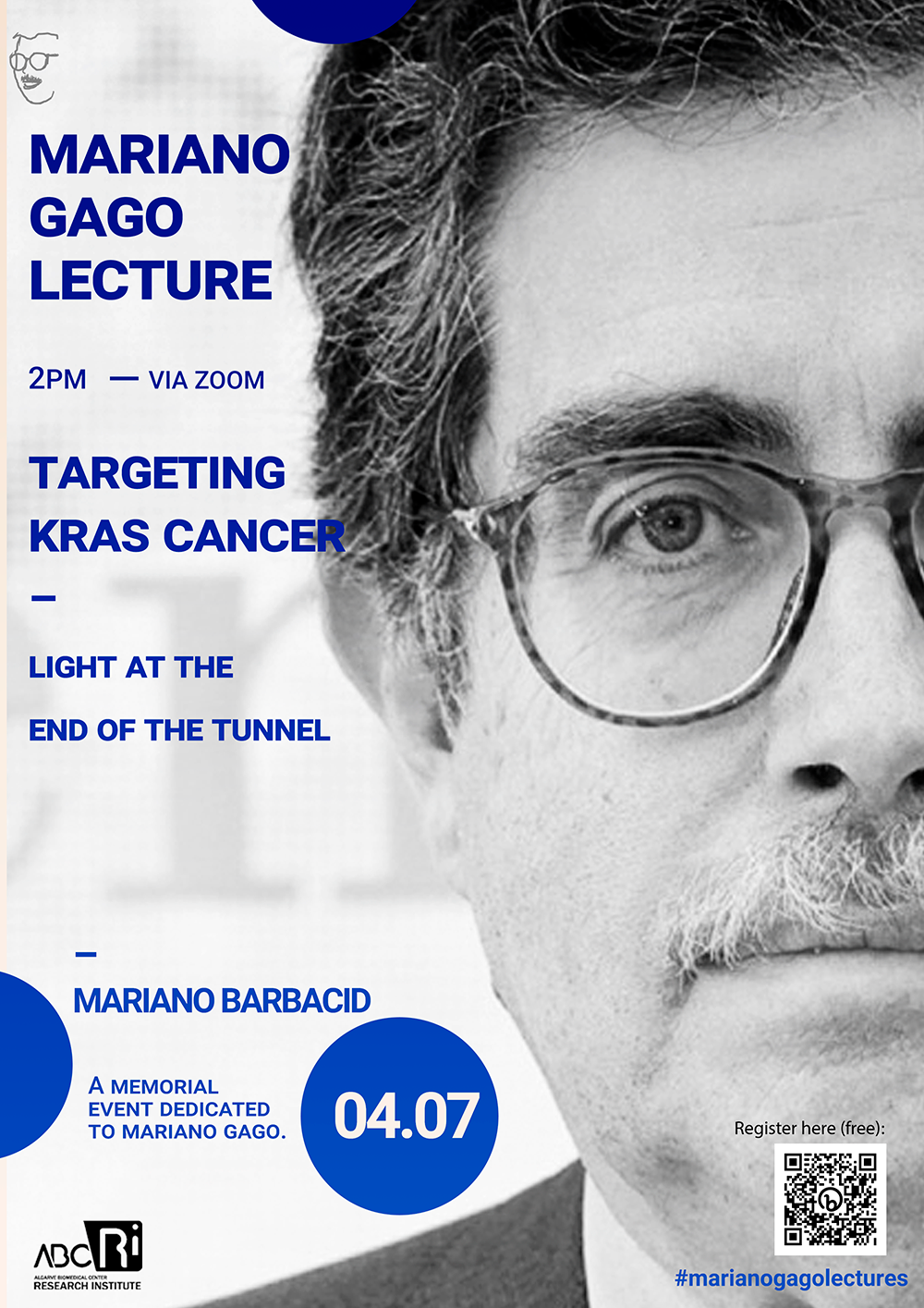
The Importance of Mariano Barbacid in Cancer Research
Mariano Barbacid is a prominent figure in the field of cancer research, known for his groundbreaking work that has significantly advanced our understanding of cancer biology. As the first scientist to identify the oncogene ras, Barbacid’s discoveries have paved the way for new therapeutic strategies and have influenced cancer treatment protocols around the globe.
Major Contributions and Achievements
Born in Spain, Barbacid completed his PhD in biochemistry at the Universidad Complutense de Madrid, where he laid the foundation for his future groundbreaking work. In the 1980s, while working at the National Cancer Institute in the United States, he successfully isolated the ras oncogene, which plays a critical role in cell growth and division. This discovery provided vital insights into the mechanisms of cancer and established a new paradigm for the study of oncogenes.
Barbacid’s research further led to the understanding of how mutations in the ras gene can result in uncontrolled cellular proliferation, which is a hallmark of cancer. His work has catalysed the development of targeted therapies aimed at inhibiting the activity of ras proteins, thereby opening new avenues for cancer treatment.
Recent Developments
In recent years, Mariano Barbacid has continued his work as the Director of the National Centre for Cancer Research (CNIO) in Spain. His leadership has focused on translating basic research into clinical applications, striving to improve patient outcomes through innovative therapeutic approaches. Barbacid has also been involved in promoting collaborations between academic institutions and pharmaceutical companies to facilitate the advancement of cancer therapies.
Conclusion and Future Implications
The significance of Mariano Barbacid’s contributions to cancer research cannot be overstated. Through his pioneering work, he has not only expanded the scientific community’s understanding of oncogenes but has also propelled drug discovery processes that target specific molecular drivers of cancer. As ongoing research continues to evolve, Barbacid’s legacy will likely inspire future generations of scientists in the fight against cancer, aiming for more effective prevention and treatment strategies. The developments emerging from his efforts promote hope that one day, more robust and personalised treatment options will be available to patients worldwide.