Introduction
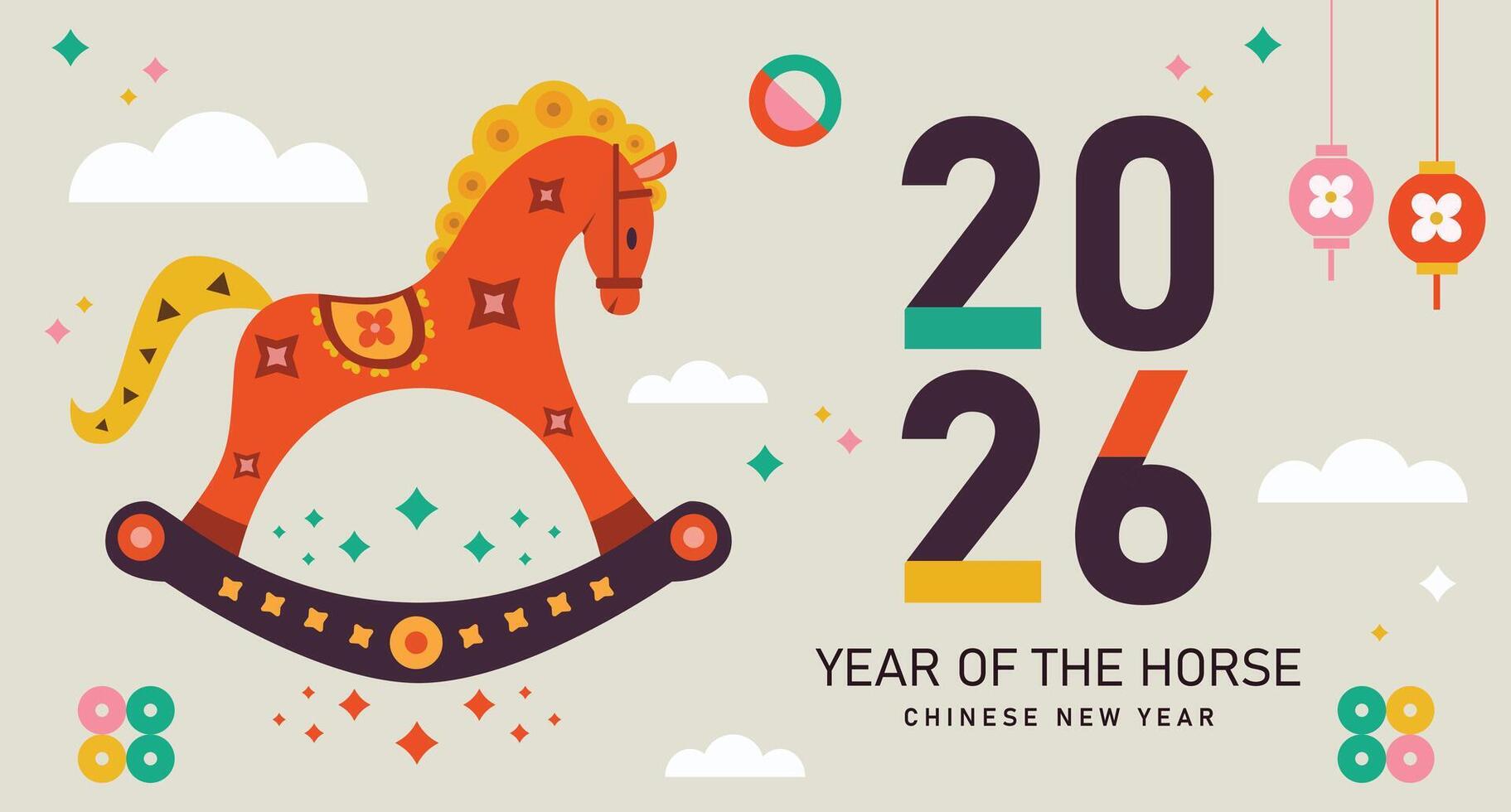
Lunar New Year, also known as Chinese New Year, is a significant festival celebrated by millions around the world. It marks the arrival of spring and the beginning of a new year on the lunar calendar. In 2026, the Lunar New Year falls on February 17, marking the Year of the Fire Horse, a symbol of energy and passion. This festival is not just a time for family gatherings and celebrations; it is deeply rooted in cultural significance, customs, and traditions pivotal for several Asian communities.
Traditions and Customs
The Lunar New Year is accompanied by various traditions. Preparations begin as early as two weeks prior to the actual day, with families cleaning their homes to sweep away bad luck and welcome prosperity. On New Year’s Eve, families gather for a reunion dinner featuring traditional foods such as dumplings, fish, and rice cakes, each holding symbolic meaning for wealth, abundance, and happiness.
On the first day of the Lunar New Year, festivities commence with fireworks, lion dances, and parades filled with cultural displays. Red envelopes containing money, known as ‘hongbao,’ are exchanged among family members and colleagues, symbolizing good wishes and luck for the new year. Rituals vary by region but often include honoring ancestors with offerings and prayers for a prosperous year ahead.
Global Celebrations
As Lunar New Year approaches in 2026, various cities across the globe are preparing for their celebrations. Countries with significant Chinese populations, such as Singapore, Malaysia, and Vietnam, engage in vibrant street festivities, showcasing their rich cultural heritage. In the UK, cities like London prepare to host the annual New Year Parade, featuring dragon dances and cultural performances, bringing together diverse communities.
Conclusion
Lunar New Year 2026 promises to be a significant occasion filled with cultural richness and community spirit. As it draws near, cities worldwide will celebrate with festivities that elevate the importance of cultural heritage and foster unity among diverse populations. The Year of the Fire Horse invites hope and enthusiasm for new beginnings, making it a time for reflection and the setting of intentions for a successful year ahead. For those observing, understanding the traditions and values behind Lunar New Year enriches not only the personal experience but also contributes to a broader appreciation of multicultural festivities.