Reaction from the field
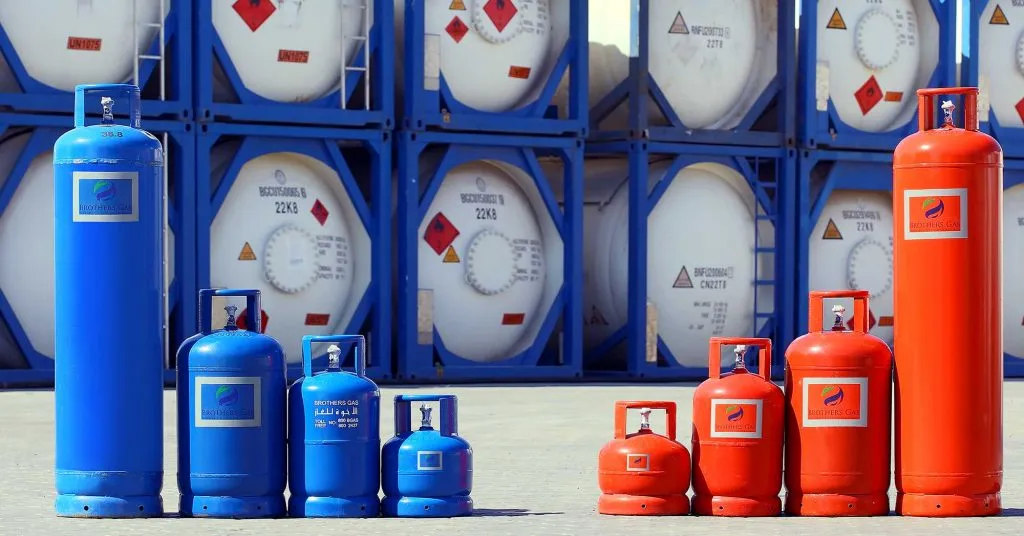
The ongoing geopolitical tensions have cast a long shadow over India’s LPG gas supply, with significant disruptions felt across the country. The effective closure of the Strait of Hormuz, a critical passage for energy supplies, has hit approximately 54% of India’s LPG flows. This situation has raised alarms among households and businesses alike, as the nation grapples with its heavy reliance on imported liquefied petroleum gas.
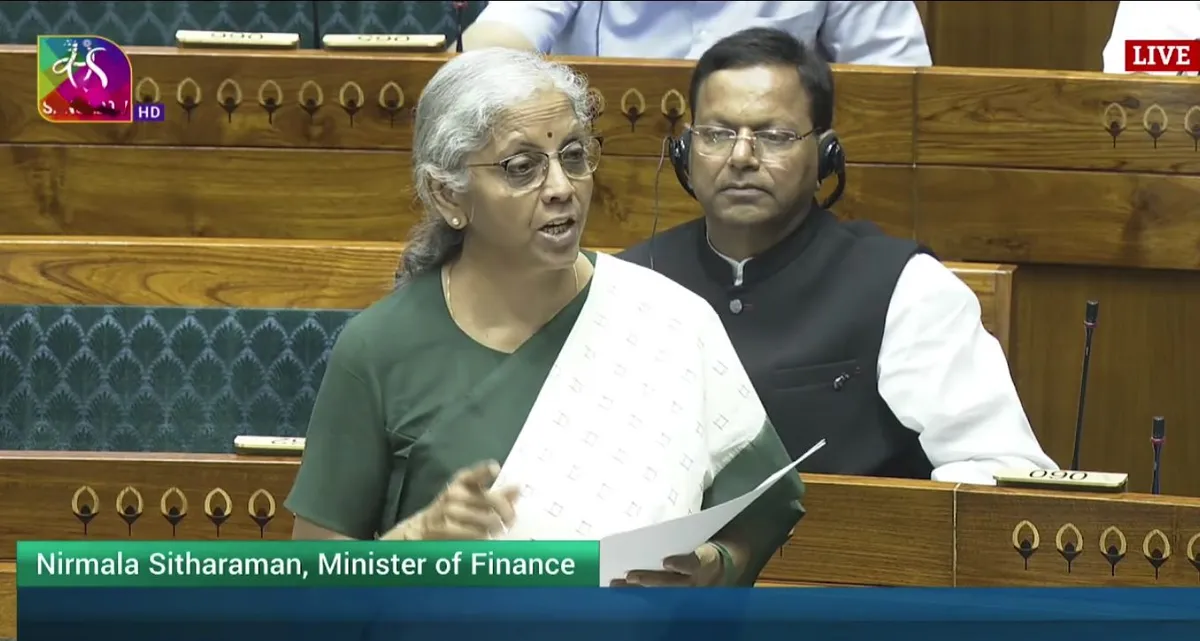
India imports around 60% of its LPG needs, with a staggering 90% of those imports passing through the Strait of Hormuz. The geopolitical unrest in the region has led to a precarious situation, where the supply of LPG is not only affected but also raises concerns about future availability. Sujata Sharma, a spokesperson for the government, noted, “The supply of LPG is affected due to the prevailing geopolitical situation, but a lot of cargo has been lined up.” This statement reflects the government’s commitment to ensuring that the essential fuel remains accessible to the public.
In response to the crisis, the Indian government has ramped up domestic LPG production by an impressive 40% compared to pre-West Asia conflict levels. This increase aims to mitigate the impact of the disruptions and provide some relief to consumers. However, the challenges remain significant. The government has also increased the waiting times between cylinder bookings, extending them from 21 days to 25 days in urban areas and 45 days in rural regions. This change has left many households anxious about their fuel supply, especially as the demand continues to rise.
While the government has assured that there is sufficient stock of petrol and diesel in the country, the situation for LPG is more complex. No dry-out has been reported at LPG distributorships yet, but the fear of shortages looms large. The government has been appealing to consumers to switch to piped natural gas (PNG) if it is available in their vicinity, as a way to alleviate some of the pressure on LPG supplies. Currently, around 7,500 domestic and commercial connections have been provided for PNG, but this number is dwarfed by the 33.3 crore domestic LPG connections in the country.
Households with PNG connections are far fewer, standing at about 1.5 crore. This disparity highlights the challenges faced by the government in promoting a shift towards alternative energy sources. The transition to PNG is not just a matter of availability; it also requires infrastructure and consumer awareness. As the government pushes for this change, the question remains whether enough can be done in time to prevent a crisis.
As the situation evolves, the government has directed refiners to maximize LPG production and to divert propane, butane, and other streams from petrochemical manufacturing to LPG production. This strategic move aims to bolster the supply chain and ensure that consumers have access to this vital resource. However, the effectiveness of these measures will depend on the geopolitical landscape and the ability to navigate the complexities of international energy markets.
Looking ahead, uncertainties remain about the duration of the current geopolitical tensions and their impact on LPG supplies. The government continues to monitor the situation closely, but details remain unconfirmed. As households and businesses brace for potential shortages, the hope is that swift action will mitigate the effects of these disruptions and provide a stable energy supply for all.