The wider picture
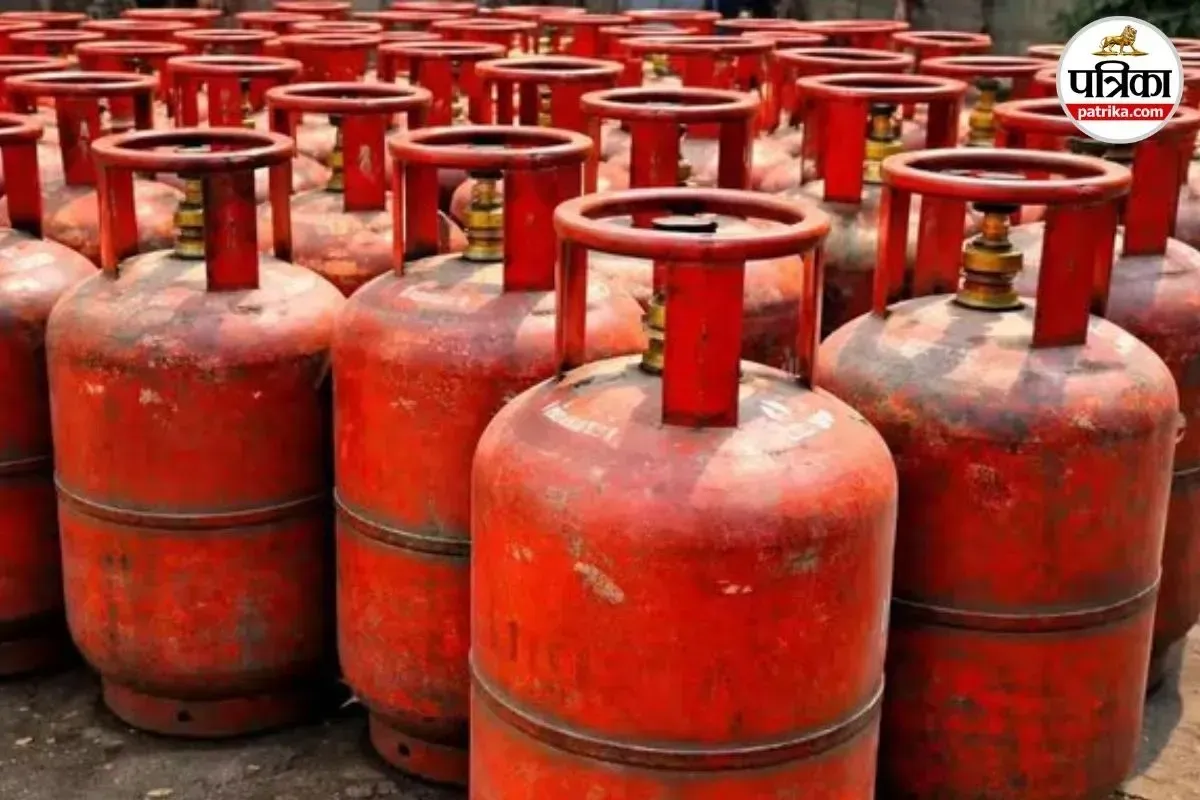
In recent months, concerns about LPG supply have surged, largely due to geopolitical tensions that have disrupted global energy supply chains. As households and businesses alike grapple with the implications of these tensions, the rules governing LPG gas cylinder bookings have come under scrutiny. Consumers have been anxious about potential changes that could affect their access to this essential resource.
On March 25, 2026, the Ministry of Petroleum and Natural Gas issued a statement to clarify the existing LPG booking rules, reassuring consumers that no changes had been made. This announcement came in response to widespread reports suggesting revised timelines for booking LPG cylinders, which had caused confusion and concern among the public.
According to the Ministry, consumers with two LPG cylinders can continue to book a gas cylinder after 35 days, while those enrolled in the Ujjwala Yojana will have to wait 45 days for their next booking. For households using the 10 kg composite domestic cylinder, bookings will be accepted after 18 days. These timelines remain unchanged, providing a sense of stability for consumers who rely on these services.
Additionally, the Ministry emphasized that existing refill booking timelines are still in effect, countering claims made by some media outlets. The Indian Oil Corporation also reiterated this point, stating, “Reports claiming changes in LPG refill booking timelines are incorrect.” This clarification has been welcomed by many, as it alleviates fears of potential disruptions in service.
For single-cylinder households in urban areas, the booking timeline remains at 25 days, while those in rural areas will continue to wait 45 days. These rules are designed to ensure that LPG remains accessible to all consumers, particularly those in underserved regions. The government has made it clear that commercial cylinders will only be supplied for emergency services and educational institutions, further emphasizing the priority given to domestic consumers.
Consumers can book LPG cylinders through various convenient methods, including phone, SMS, or WhatsApp, making it easier for them to manage their bookings amidst the ongoing supply concerns. This multi-channel approach has been particularly beneficial for those who may not have easy access to digital platforms.
As the situation evolves, officials and observers are keeping a close eye on the global energy landscape. The Ministry of Petroleum and Natural Gas has assured the public that they are monitoring developments closely and will take necessary actions to ensure that LPG supply remains stable. For now, consumers can rest assured that the existing booking rules are in place, allowing them to plan their usage without fear of sudden changes.
While the current rules provide some reassurance, the broader context of energy supply remains uncertain. As geopolitical tensions continue to affect global markets, the Ministry’s commitment to transparency and consumer support will be crucial in navigating the challenges ahead. Details remain unconfirmed about future adjustments, but for now, the focus remains on maintaining a steady supply of LPG for all consumers.