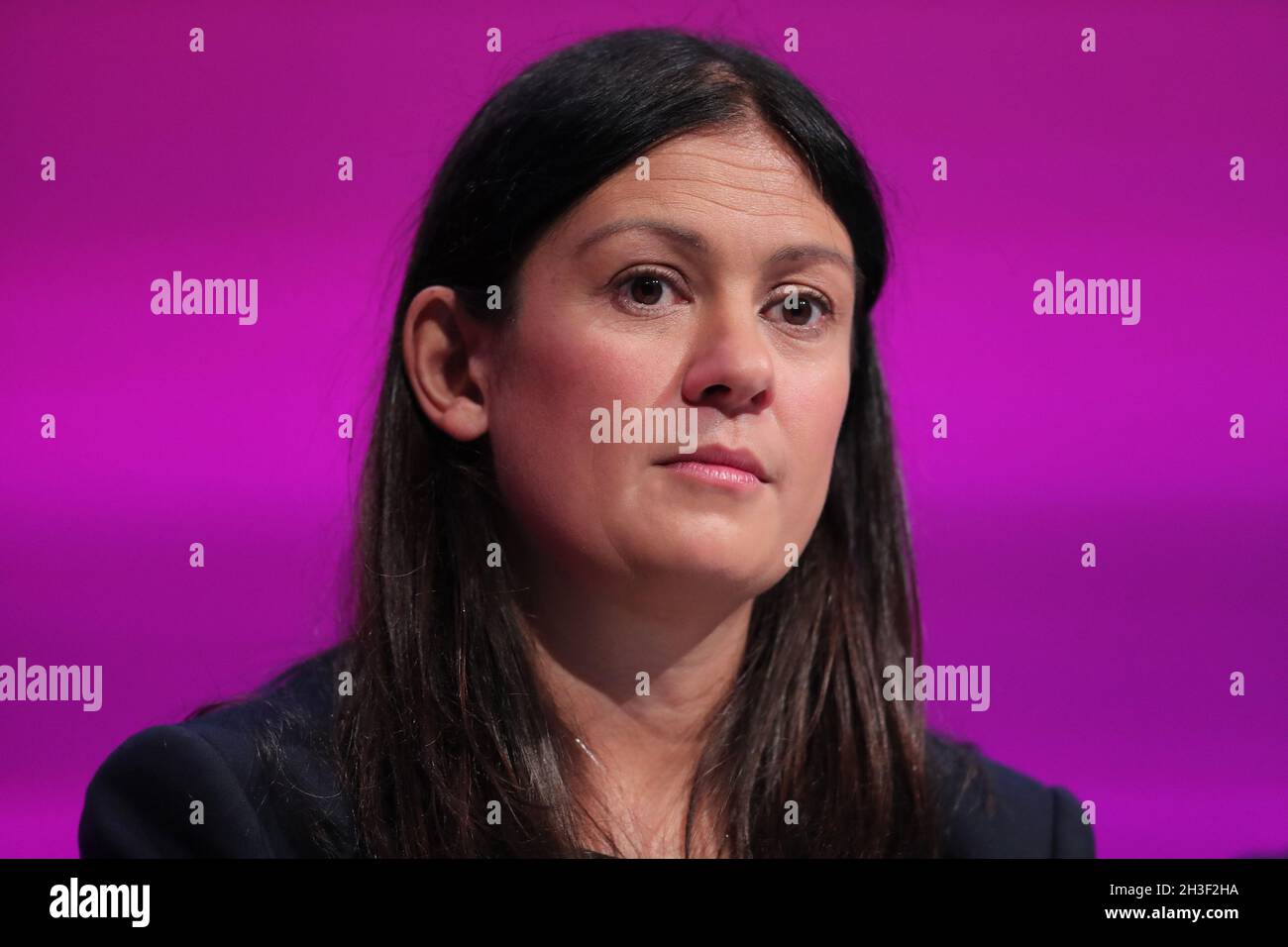
Introduction to Lisa Nandy
Lisa Nandy, a prominent Labour Party MP for Wigan, has become a significant figure in UK politics, especially in recent years. Understanding her role and influence is essential for those following current political developments, as she has been at the forefront of many critical discussions surrounding social justice, local governance, and national policy reform.
Political Journey
Nandy was first elected to Parliament in the 2010 general election, representing Wigan, a constituency known for its rich industrial history. Early in her career, she gained recognition for her advocacy on youth services, social housing, and the impact of austerity measures on working-class communities. Her commitment to social issues has cemented her reputation as a champion for the underrepresented.
Key Roles and Initiatives
During her tenure, Nandy has held several key positions, most notably serving as Shadow Foreign Secretary from 2020 to 2022. In this role, she focused on a range of international issues, including climate change and human rights. Notably, she has called for a more ethical approach to foreign policy, emphasising the importance of compassionate diplomacy in the wake of global challenges.
More recently, Nandy has been vocal about the need for significant investment in public services and social care, advocating for policy reforms to reinforce the social safety net. Her leadership during the COVID-19 pandemic, where she highlighted the vulnerabilities in the healthcare system, has further elevated her profile in the party and among the public.
Current Developments and Future Prospects
As the Labour Party gears up for the next general election, Nandy is seen as a prominent voice in shaping the party’s platform. With issues such as the cost of living crisis, climate change, and economic recovery at the forefront of political discourse, her insights and proposals are highly anticipated. There is speculation that she may be positioned for a larger role within the party, particularly given her popularity among constituents and her strong advocacy for progressive policies.
Conclusion
Lisa Nandy’s continued influence within UK politics makes her a significant figure to watch in the coming years. As she navigates her political career, her commitment to social justice and reform remains a central theme. For readers interested in UK politics, Nandy’s role represents a blend of grassroots advocacy and strategic parliamentary leadership, exemplifying the evolution of the Labour Party in the contemporary political landscape.