Introduction
Transport for London (TfL) is the body responsible for managing the transport system across the capital, playing a crucial role in the daily lives of millions. With a focus on safety, accessibility, and sustainability, TfL’s initiatives influence how people commute and travel in London. Recent updates show significant developments in infrastructure, technology, and service enhancements that aim to improve the overall experience for Londoners and visitors alike.
Recent Developments
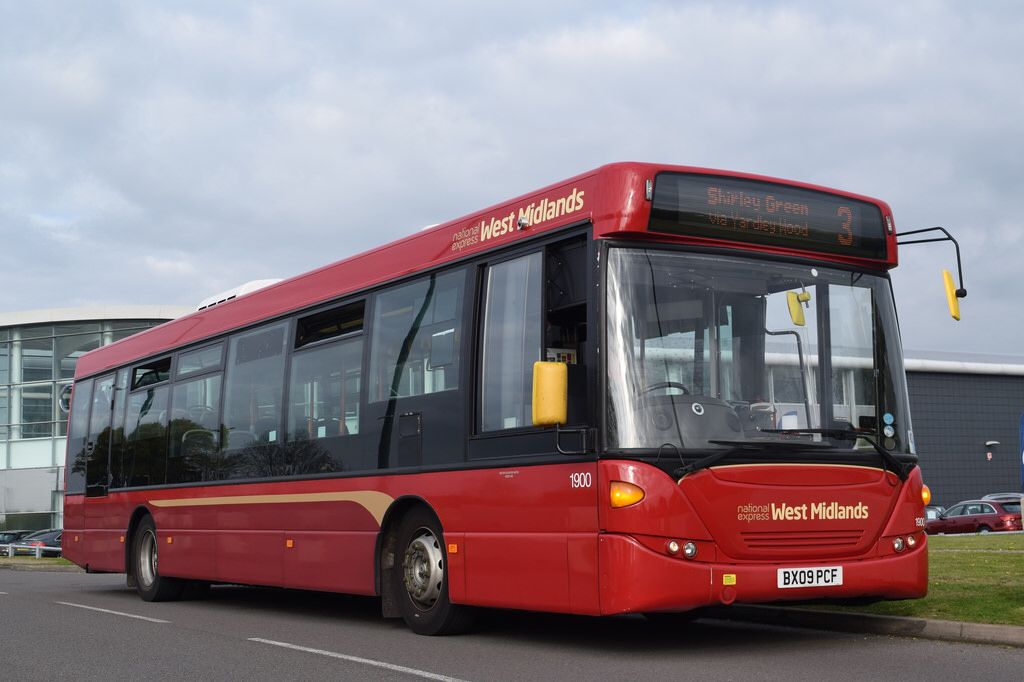
In 2023, TfL has made strides in advancing its services to cope with the post-pandemic transport landscape. One major initiative includes the expansion of the Ultra Low Emission Zone (ULEZ), which now encompasses a larger area of Greater London. This move aims to curb air pollution and promote cleaner air for residents. In tandem, TfL has rolled out more electric buses, with the objective of achieving a fully electric fleet by 2030.
Another important development is the enhancement of the Cycle Hire scheme. Following a surge in cycling during the pandemic, TfL has introduced numerous new docking stations and increased the number of available bikes, encouraging healthier, environmentally-friendly travel alternatives. Furthermore, the continued investment in walking infrastructure aims to make the city safer for pedestrians, with new improvements including widened pavements and additional traffic calming measures.
Technology Upgrades
On the technological front, TfL is integrating new digital solutions to streamline the travel experience. The introduction of contactless payments and the Oyster card system have proven successful, but recent trials of mobile ticketing applications promise even greater convenience. By leveraging smartphone technology, TfL aims to offer seamless travel, reducing congestion and improving overall efficiency.
Conclusion
Transport for London’s recent initiatives illustrate a clear commitment to future-proofing the capital’s transport system. By investing in sustainable transport options and utilising modern technology, TfL is poised to enhance connectivity while addressing critical environmental challenges. For London residents and commuters, these advancements promise a more efficient and eco-friendly journey through the city, solidifying TfL’s role as a pivotal force in London’s transport landscape. As these developments unfold, it will be crucial to monitor their impact on daily travel habits and environmental outcomes.