Introduction to NASA’s Role in Space Exploration
The National Aeronautics and Space Administration (NASA) is a pivotal agency of the United States government dedicated to the nation’s civilian space program and for aeronautics and aerospace research. Established in 1958, NASA has been at the forefront of space exploration, making significant advancements that have reshaped our understanding of the universe. With increasing missions and technological innovations, NASA remains a crucial player in scientific exploration and a source of inspiration for future generations.
Recent Missions and Achievements
As of 2023, NASA continues its ambitious agenda with several ground-breaking projects. The Artemis program aims to return humans to the Moon by 2024, intending to establish a sustainable human presence on the lunar surface. This initiative not only serves as a stepping stone for future Mars exploration but also aims to involve international and commercial partners, enhancing collaborative efforts in space.
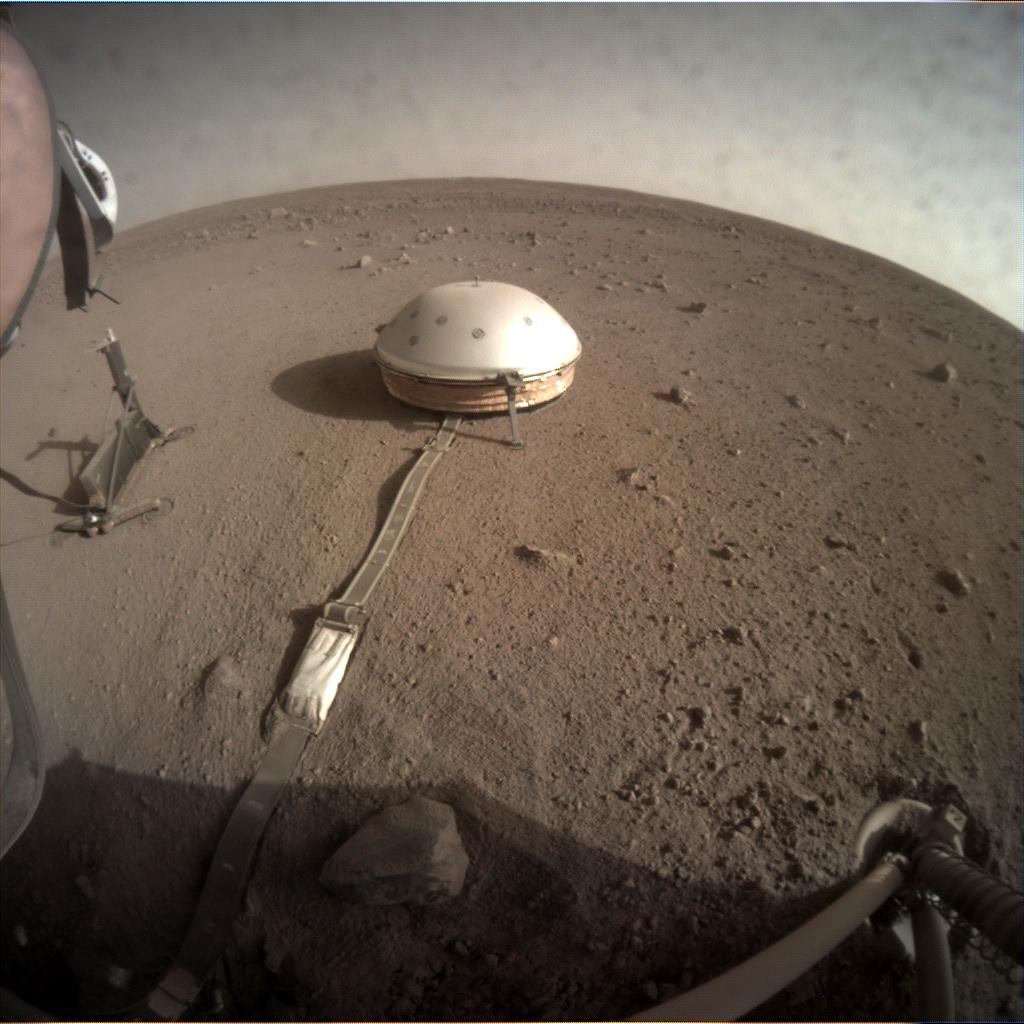
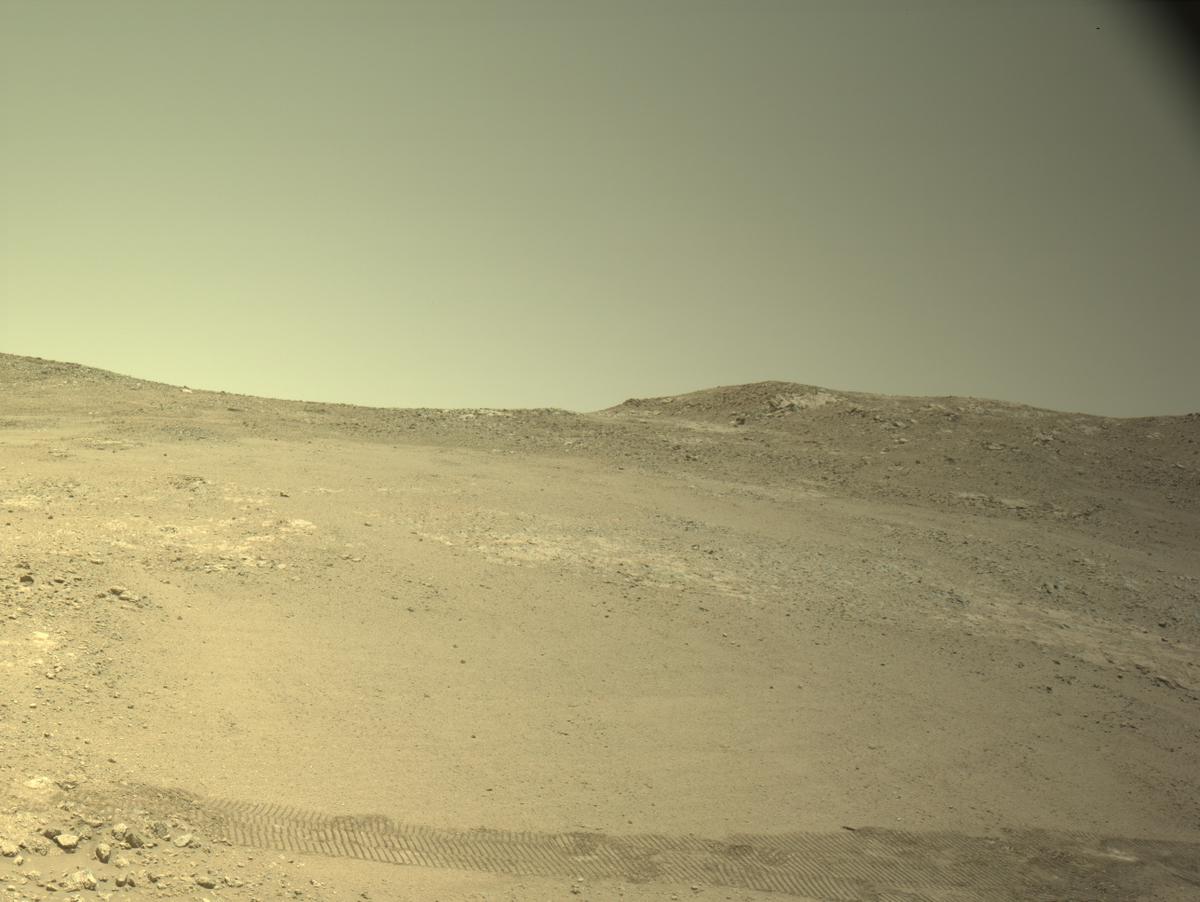
In addition to Artemis, NASA’s Perseverance rover, which landed on Mars in February 2021, is conducting unprecedented research on the Martian surface. It is equipped with advanced tools designed to search for signs of ancient life and collect soil samples for future return missions. The rover’s findings could provide essential insights into the planet’s history and potential for supporting life.
Technological Advancements and Collaborative Efforts
NASA is not only focusing on exploration but also on developing new technologies to facilitate these missions. The agency has been investing in innovative propulsion systems, such as the Space Launch System (SLS) and the Orion spacecraft, both crucial for deep-space missions. Recent tests of the SLS have showcased its capabilities, highlighting a promising approach toward future explorations beyond Earth orbit.
Moreover, NASA’s collaborations with private companies, like SpaceX and Blue Origin, have revolutionised the launch and transportation of cargo and crew to the International Space Station (ISS). The success of the Crew Dragon missions exemplifies how partnerships between public and private sectors can expedite advancements in aerospace technology.
Conclusion: The Future of NASA and Space Exploration
As NASA embarks on new missions and projects, the potential for scientific discovery and technological advancement seems boundless. With an eye towards Mars and beyond, the agency is gearing up for a new era of exploration that promises to deepen our understanding of space and our place within it. Emphasising international collaboration, innovative technology, and a commitment to scientific excellence, NASA is not only shaping the future of space exploration but is also inspiring a new generation of scientists and explorers. The path forward looks promising, with numerous adventures and discoveries on the horizon that could redefine what we know about the universe.