Introduction
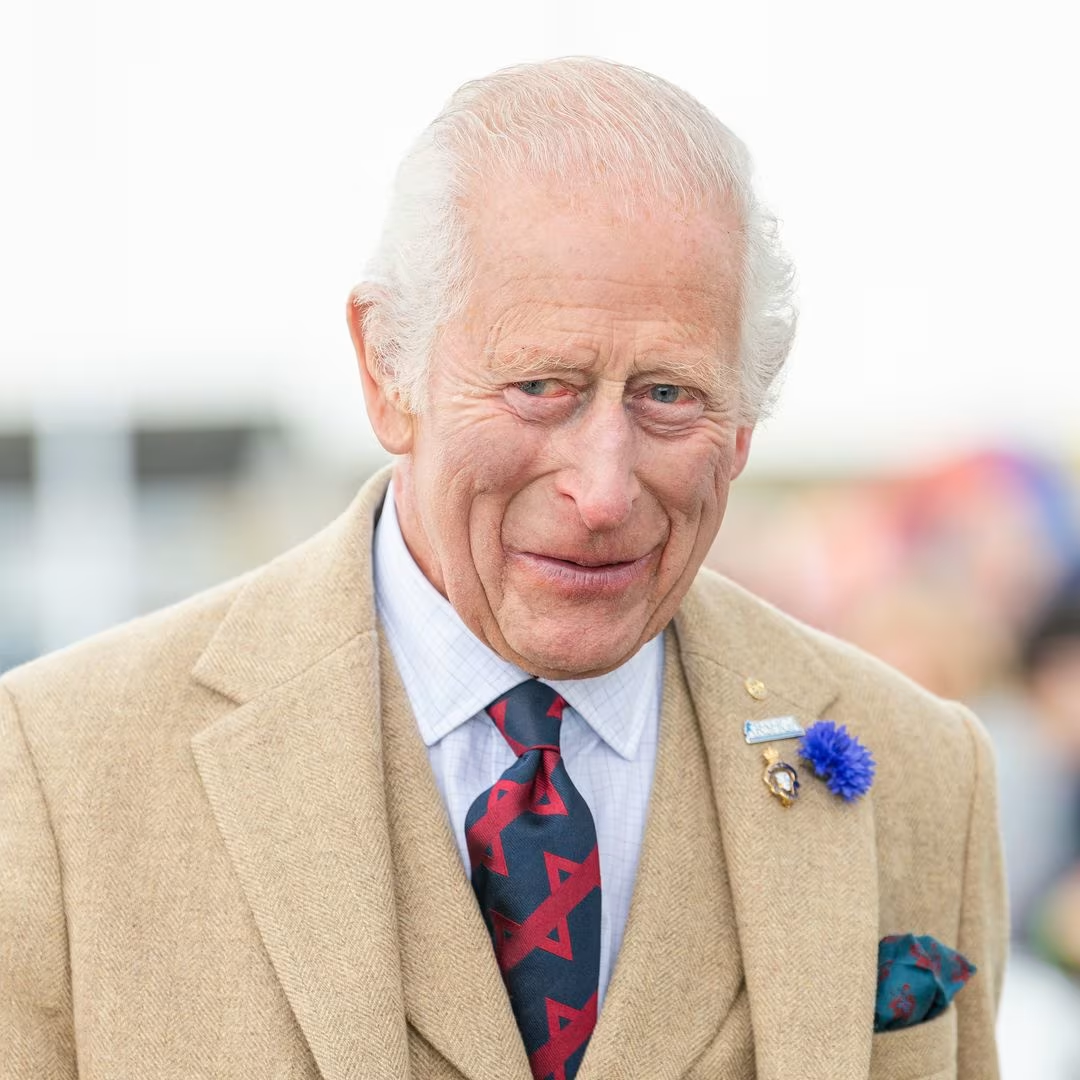
The ascension of King Charles III to the throne marks a pivotal moment in British history. Following the passing of Queen Elizabeth II in September 2022, concerns about the future of the monarchy, public sentiment, and royal duties have been at the forefront of national discussions. This article examines the early days of King Charles’s reign, the significance of his leadership style, and the expectations from the new king in the context of contemporary challenges.
Early Reign Developments
Since his coronation in May 2023, King Charles has committed to modernising the monarchy while upholding its traditions. His focus has shifted towards environmental sustainability, social unity, and community engagement, topics he has championed throughout his life. Notably, he has established the ‘King’s Fund for Unity,’ aimed at fostering inclusivity within the UK and strengthening connections with Commonwealth nations.
Charles’s first state visit to Germany in June was a significant step in reinforcing international relations, signalling his intent to revive diplomacy and cultural exchanges previously established under his mother’s reign. This visit also underscored the importance of European relations following Brexit, showcasing his commitment to unity in a divided political landscape.
Public Reception and Future Challenges
Public opinion on King Charles has shown a positive trend, particularly following his efforts to address key social issues such as climate change and mental health. A recent poll conducted by YouGov revealed that 62% of Britons view Charles favourably, highlighting a growing acceptance of his vision for the monarchy.
>Despite these favourable public sentiments, King Charles faces the challenges of maintaining a relevant and respected monarchy. The expectations placed upon him are immense, as he contends with increasing discussions regarding the abolition of the monarchy. His efforts must not only seek to reaffirm the crown’s value but also engage a younger generation eager for change.
Conclusion
King Charles’s ascension heralds a new chapter for the British monarchy, one that intertwines tradition with a pressing need for modernisation. The emphasis on sustainability, cultural engagement, and social cohesiveness will likely shape his legacy. As he navigates through various challenges, his ability to adapt while holding onto the core values of the monarchy will be crucial. The future of the royal family may depend on the success of King Charles in resonating with the people and continuing the long-standing institution of the British monarchy.