Introduction
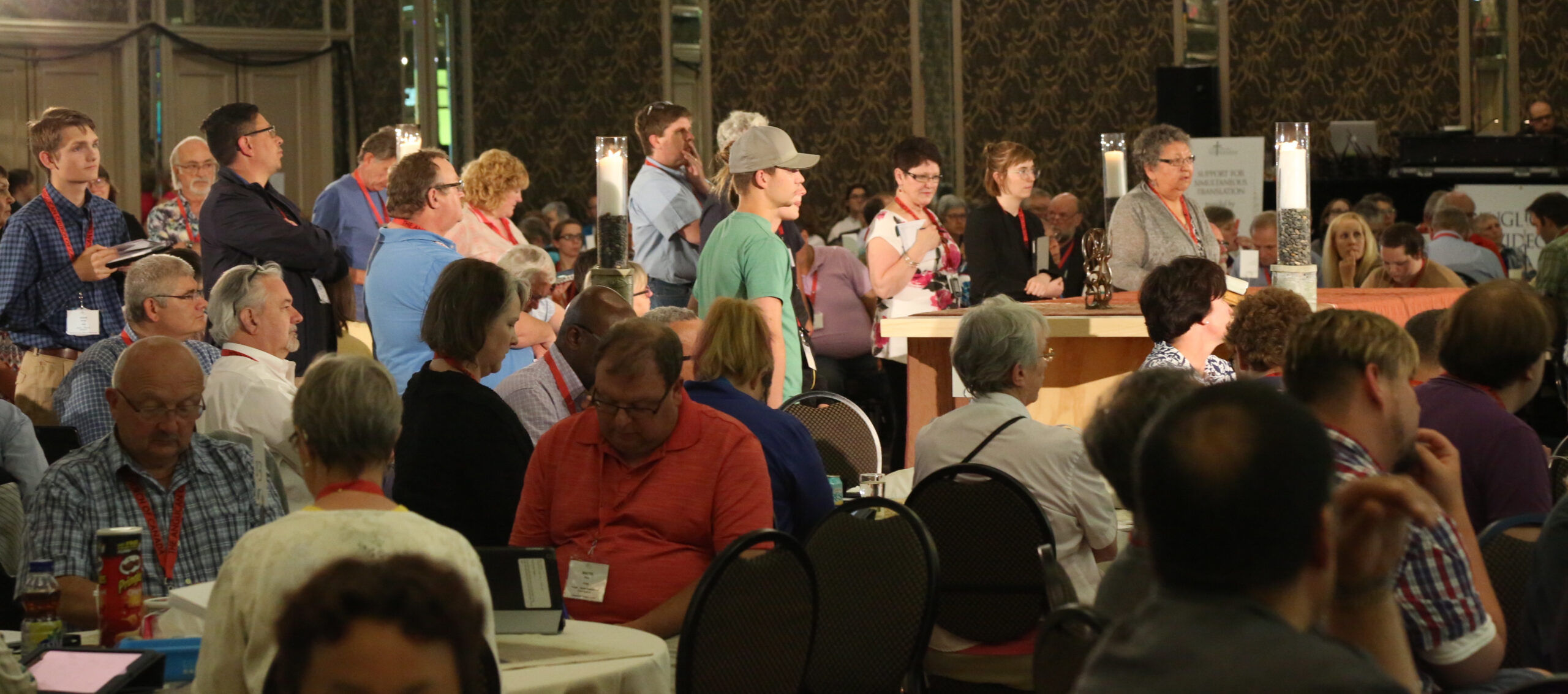
The General Synod, the governing body of the Church of England, convened today for a highly anticipated session, addressing pivotal issues within the Church and society. This gathering attracts significant attention as it shapes the future direction and policies of the Church, influencing both its mission and its engagement with contemporary social topics.
Main Body
Today’s session kicked off with a strong focus on the topic of climate change, a growing concern among congregations and communities. Synod members engaged in passionate discussions surrounding the Church’s environmental responsibilities, debating actionable steps to reduce carbon footprints and promote sustainability within church operations. The session included a proposal for a new initiative aimed at increasing awareness and encouraging churches to implement eco-friendly practices.
Additionally, the Synod revisited the sensitive issue of gender and sexuality, particularly concerning the Church’s stance on same-sex marriages. Members presented differing viewpoints, reflecting the diverse opinions within the Church regarding inclusion and the interpretation of scripture. A motion was carried to create a working group that will explore how the Church can better accommodate LGBTQ+ individuals while grappling with traditional beliefs.
Financial accountability was also a key topic of discussion. The Synod reviewed the Church’s budget, with an emphasis on transparency and the responsible use of funds. There was broad agreement on the necessity for churches to increase their engagement with local communities, thus improving financial stewardship through outreach programs and partnerships.
Conclusion
Today’s meeting of the General Synod showcased the complexities facing the Church of England as it navigates modern societal challenges. As discussions on climate action, inclusivity, and financial transparency continue, the decisions made in today’s session could have lasting implications for congregations nationwide. Observers predict that these debates will spark further dialogue within the Church, prompting both clergy and laity to consider the role of religion in contemporary moral and ethical discussions.