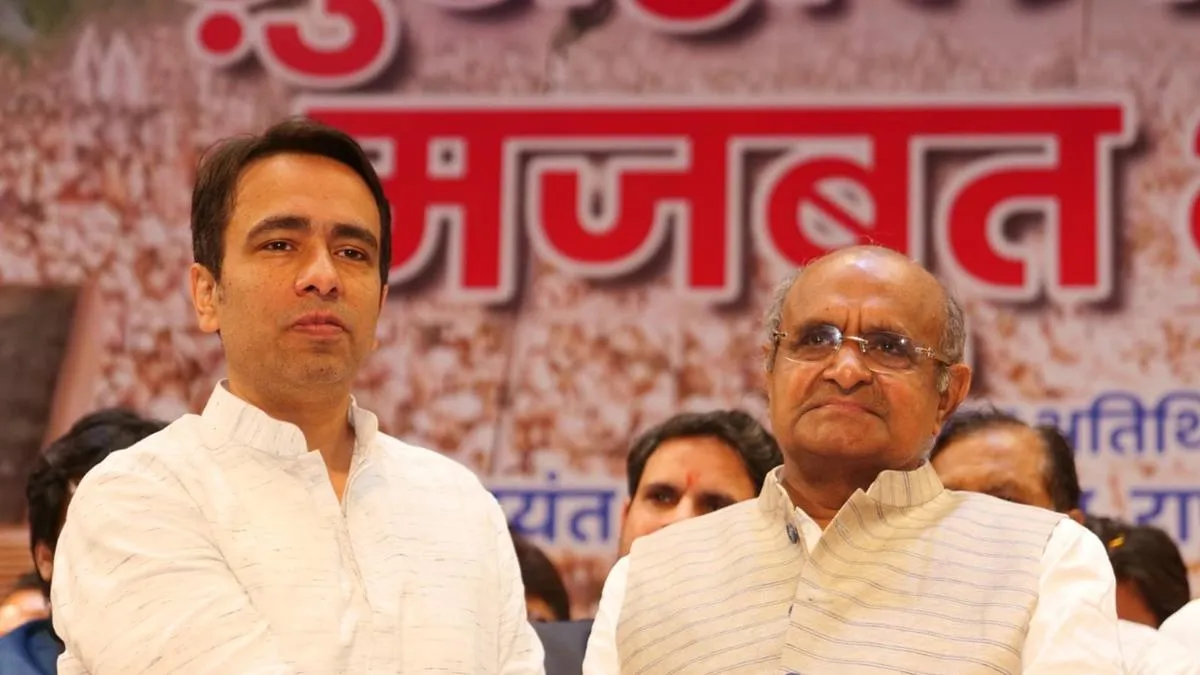
For decades, K.C. Tyagi was a stalwart of the Janata Dal-United (JD-U), a party he helped found and served in various significant roles, including chief national spokesperson and national secretary general. His long-standing relationship with Nitish Kumar, the party’s leader, was a cornerstone of his political identity. Tyagi’s commitment to the party and its ideology seemed unwavering, leading many to believe he would remain a key figure within the JD-U for years to come.
However, on March 17, 2026, Tyagi made a surprising decision to resign from the JD-U, a move that sent ripples through the political landscape. Just five days later, he formally joined the Rashtriya Lok Dal (RLD) in New Delhi, marking a decisive shift in his political allegiance. This transition not only signifies a personal change for Tyagi but also reflects broader political dynamics in the region.
In his statements following the switch, Tyagi emphasized that he does not see a significant ideological difference between the JD-U and RLD, asserting that both parties share common goals, particularly concerning the welfare of farmers and the downtrodden. “My commitment to the broader ideological points concerning the interests of the downtrodden, peasants and agriculturalists, including the deprived sections of society, remains as firm as ever,” he stated.
Tyagi’s move to the RLD is particularly significant given the party’s focus on western Uttar Pradesh, a region where it has been striving to strengthen its influence. He noted, “A strong Rashtriya Lok Dal in western Uttar Pradesh will give more strength to the alliance,” highlighting his vision for a united front in addressing the needs of farmers.
This shift also raises questions about the future of the JD-U, especially in light of Tyagi’s long-standing relationship with Kumar. “I have a 50-year-old relationship with Nitish Kumar,” Tyagi remarked, indicating that while he may have left the party, the personal ties remain intact.
Political analysts suggest that Tyagi’s departure could have significant implications for both the JD-U and RLD. The RLD, under the leadership of Jayant Chaudhary, may gain a valuable asset in Tyagi, who brings decades of experience and a network of connections. Conversely, the JD-U may face challenges in maintaining its influence without one of its founding members.
As Tyagi embarks on this new chapter with the RLD, the political landscape in Uttar Pradesh and beyond may witness shifts that reflect the changing allegiances and priorities of its leaders. The coming months will be crucial in determining how this transition impacts the parties involved and the electorate they serve.
Details remain unconfirmed regarding the full implications of Tyagi’s move, but his commitment to farmer welfare and social justice continues to resonate as he navigates this new political terrain.