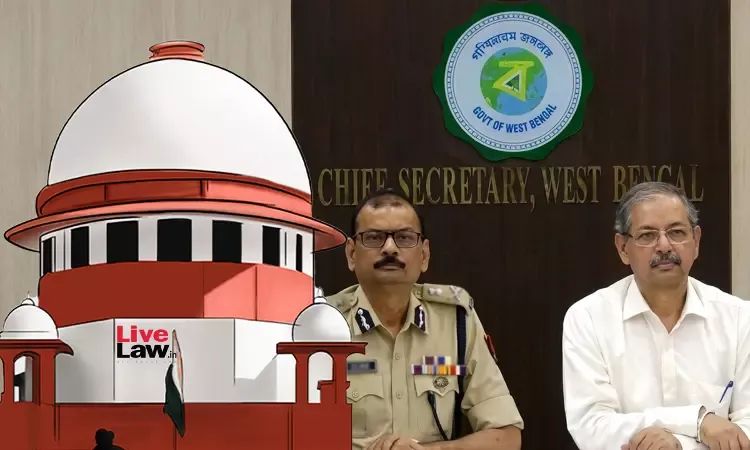
What does the recent hostage crisis involving judicial officers in West Bengal reveal about the state of judicial safety and communication? The answer is troubling: it underscores significant lapses in both areas, raising urgent questions about the administration’s responsiveness to crises.
On April 6, 2026, the Supreme Court of India intervened after seven judicial officers were taken hostage during their duty related to the Special Investigation Report (SIR) of electoral rolls in Malda. The gravity of the situation prompted Chief Justice Suryakant to express his frustration, questioning the Chief Secretary’s failure to respond to calls during the crisis. “What is the problem? You don’t even pick up the Chief Justice’s phone?” he asked, highlighting the dire communication breakdown.
Justice Joymalya Bagchi echoed these concerns, pointing out the alarming inability of the Chief Secretary to maintain contact even with high-ranking judicial officials. “Is the security so high that even the Chief Justice of the Calcutta High Court cannot contact you?” he questioned, emphasizing the need for accountability in the face of such critical incidents.
The Chief Secretary, who had only recently been appointed on March 16, 2026, faced severe criticism for his inadequate response to the hostage situation. Dushyant Nariyala, presumably involved in the administration, expressed his regret, stating, “I deeply regret my mistake,” but the damage to public trust had already been done.
In a related ruling, the Supreme Court allowed Nandalal Bose’s grandson to appeal to the appellate tribunal after his name was removed from the electoral roll, instructing the tribunal to expedite the case. This decision reflects the court’s ongoing commitment to ensuring justice, even amid administrative turmoil.
As the situation unfolds, the implications for judicial safety and the effectiveness of communication within West Bengal’s administration remain uncertain. The Supreme Court’s intervention may signal a turning point, but the fundamental issues of security and responsiveness need urgent attention.
Details remain unconfirmed regarding the full extent of the administrative failures that led to this crisis, but the call for reform is clear. The safety of judicial officers must be prioritized to restore faith in the system and ensure that such incidents do not recur.