Introduction
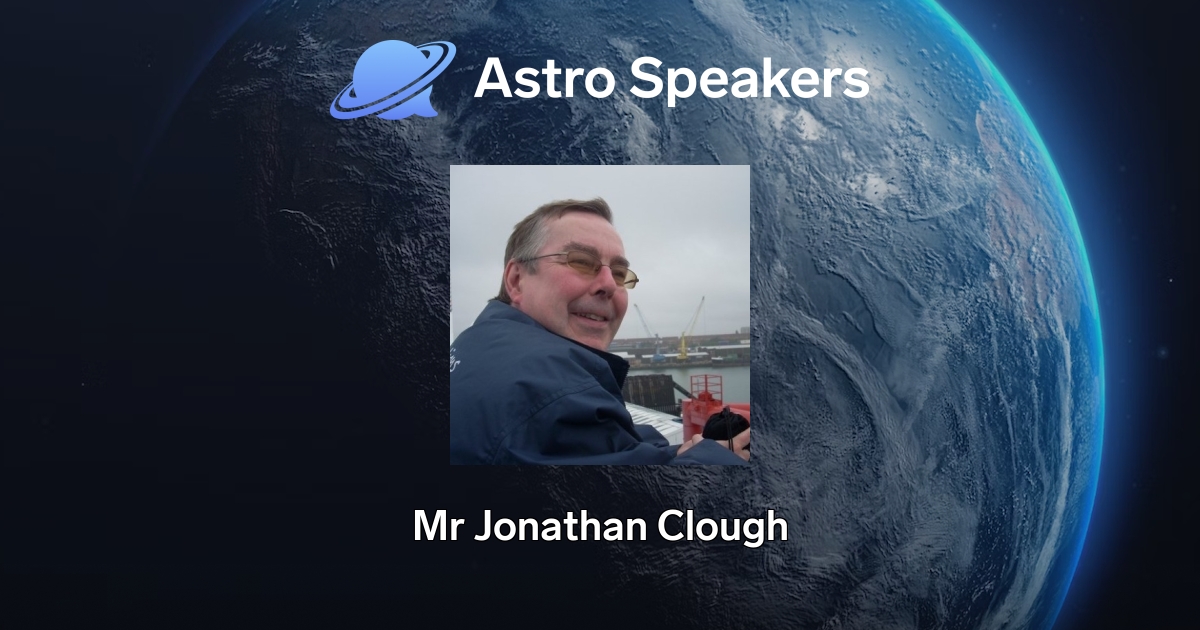
Jonathan Clough is rapidly emerging as a significant figure in the scientific community, particularly in the fields of molecular biology and education. His innovative research not only enhances our understanding of genetic engineering but also promotes science education among young students. This article explores Clough’s key contributions and the relevance of his work in today’s world.
Recent Research Breakthroughs
In 2023, Jonathan Clough and his team at the University of Cambridge published a groundbreaking paper in the ‘Journal of Molecular Biology’. Their study focuses on CRISPR technology, specifically how it can be used to target and modify genetic material with unprecedented precision. This research could lead to revolutionary advancements in treating genetic diseases, showcasing Clough’s pivotal role in scientific innovation.
Impact on Education
Beyond his research, Jonathan Clough is committed to improving science education. He recently launched an initiative called ‘Future Scientists’, aimed at inspiring secondary school students to engage in STEM subjects. By providing hands-on workshops and mentorship, the programme has already reached over 1,000 students across the UK in its first year. Clough believes that fostering curiosity and enthusiasm in young minds is crucial for the future of science.
Community Engagement and Leadership
Clough’s leadership extends into community engagement as well. He is known for organising public lectures and science fairs that invite local communities to explore the world of science. His approach to making science accessible underscores the importance of public understanding of scientific issues, especially in areas such as health and environment. This engagement not only educates but also empowers citizens to participate in scientific conversations.
Conclusion
Jonathan Clough’s contributions to both scientific research and education highlight his dual role as a scientist and educator. As he continues to push the boundaries of knowledge in molecular biology and inspire the next generation of scientists, his work remains highly significant. Moving forward, Clough’s initiatives are expected to grow, ensuring that scientific literacy becomes a cornerstone of education and that innovation continues to thrive in the scientific community. For readers, staying informed about figures like Clough is essential for understanding the future of science and education in society.