Introduction
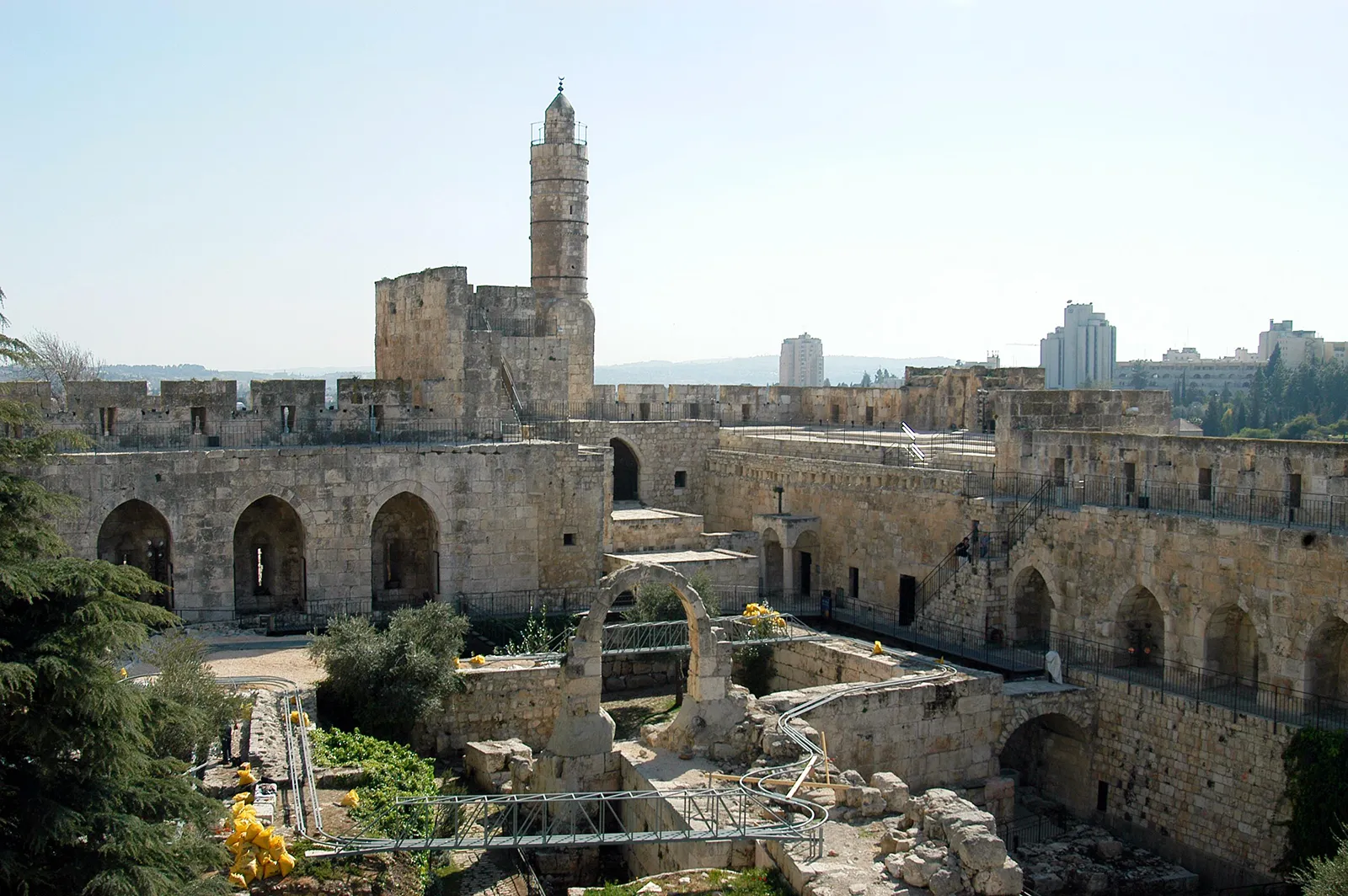
Jerusalem, a city steeped in history and religious significance, continues to play a crucial role in global politics and cultural discourse. Recognised as a holy city by Judaism, Christianity, and Islam, Jerusalem remains at the heart of contentious debates surrounding sovereignty, peace efforts, and cultural identity in the Middle East.
Historical Importance
The history of Jerusalem dates back thousands of years, with its roots as a spiritual centre discussed in religious texts and historical accounts. Numerous significant events, including the establishment of the First and Second Temples in Jewish tradition and the life of Jesus Christ in Christian teachings, took place here. Furthermore, the city has been a focal point for Muslim faith with the Al-Aqsa Mosque sitting at the Temple Mount, which is regarded as the third holiest site in Islam.
Current Events
In recent years, Jerusalem has been at the centre of escalating tensions and conflicts. The city was officially declared the capital of Israel in 2017 by the United States, a move that drew widespread criticism and protests globally. This decision has resulted in further complications for the Israeli-Palestinian peace process, highlighting the differing claims to the city by both people. Palestinian leaders still view East Jerusalem as the future capital of a Palestinian state, while Israeli authorities reaffirm their historical and religious claim to the entire city.
International Response
The international community remains divided on the status of Jerusalem. Many countries have opted to recognize Tel Aviv as the diplomatic hub, while others have showcased support for Israel by establishing their embassies in Jerusalem amid protests and demonstrations. Recent developments also indicate that some Middle Eastern countries are starting to normalize relations with Israel, suggesting a complex landscape that could lead to shifts in Jerusalem’s political and religious status.
Conclusion
As Jerusalem continues to be a focal point of international relations and conflict, its future remains uncertain. The intertwined historical, religious, and political narratives make it a significant city not only in the Middle East but also globally. Observers expect that any meaningful peace process regarding the Israeli-Palestinian conflict will need to address the sensitive issue of Jerusalem. For readers, understanding the complexities surrounding this city is vital in grasping the broader challenges and opportunities for peace in the region.