Central Question Raised
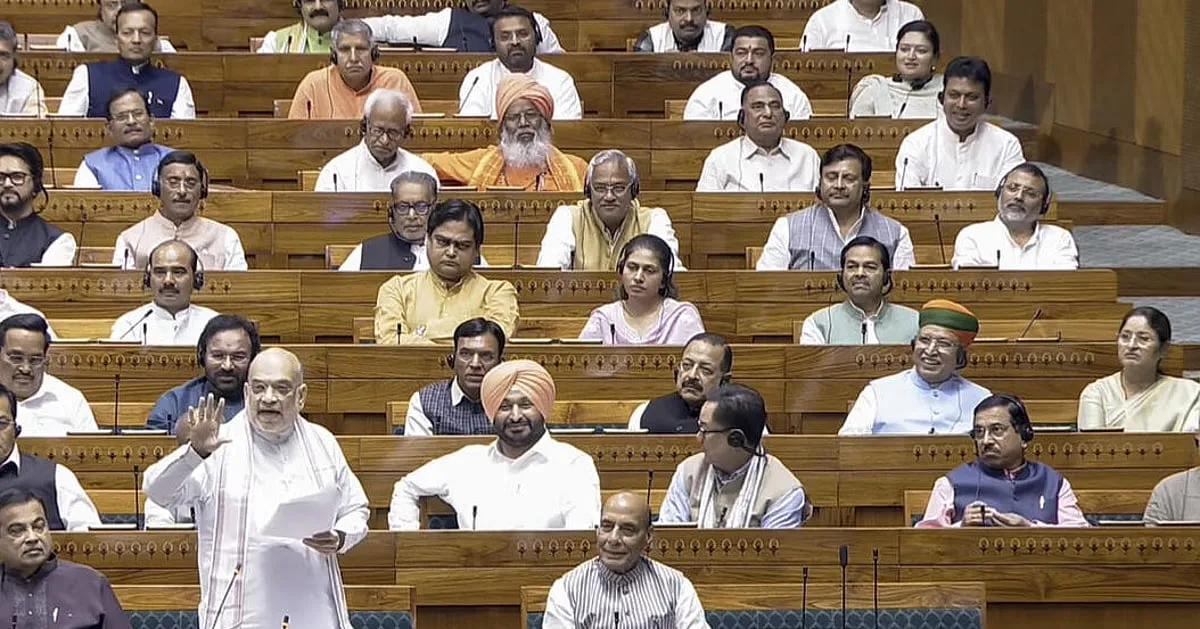
The recent events in the Lok Sabha raise a significant question: Can a Speaker preside over a no-confidence motion against themselves? This question emerged during the debate on March 11, 2026, when Jagdambika Pal was in the chair while the opposition sought to remove Speaker Om Birla.
Outcome of the Motion
The Lok Sabha ultimately rejected the opposition’s resolution for the removal of Speaker Om Birla by voice vote, with 42 members participating in the debate. Home Minister Amit Shah criticized the opposition for undermining the dignity of the parliamentary institution, stating, “This House is not a marketplace; members are expected to speak and participate according to its rules and procedures.”
Context of the Debate
Historically, a no-confidence motion against the Speaker has not been brought by the BJP or NDA in 75 years, making this event particularly noteworthy. Asaduddin Owaisi, a prominent opposition leader, questioned the legitimacy of Jagdambika Pal chairing the debate, citing Articles 95 and 96 of the Constitution, which outline the duties of the Speaker and Deputy Speaker.
Constitutional Concerns
Owaisi argued that the Speaker’s direct interest in the outcome disqualified him from presiding over the proceedings, stating, “The speaker has a direct person of interest in the outcome and that interest disqualifies him from acts that shape these proceedings.” He further accused the government of creating a constitutional mess.
Procedural Rules
According to Rule 10 of the Lok Sabha, the Speaker can nominate a Panel of Chairpersons in their absence, which raises further questions about the procedural integrity of the debate. The opposition’s concerns highlight the complexities involved in parliamentary procedures and the potential implications for democratic practices.
Looking Ahead
As the political landscape evolves, the implications of this debate and the rejection of the no-confidence motion remain to be seen. The dynamics between the ruling party and the opposition may shift as both sides navigate the aftermath of this significant parliamentary event.
Details remain unconfirmed regarding the long-term impact of this motion on parliamentary procedures and the relationship between the Speaker and the opposition.