Background of the Conflict
Iran has sought to spread its influence across the Middle East by backing militant groups and developing a nuclear program. This has led to heightened tensions with Israel, which perceives Iran’s actions as a direct threat to its national security. The ongoing conflict has seen a series of military confrontations, with both sides engaging in aggressive posturing and military actions.
Recent Developments
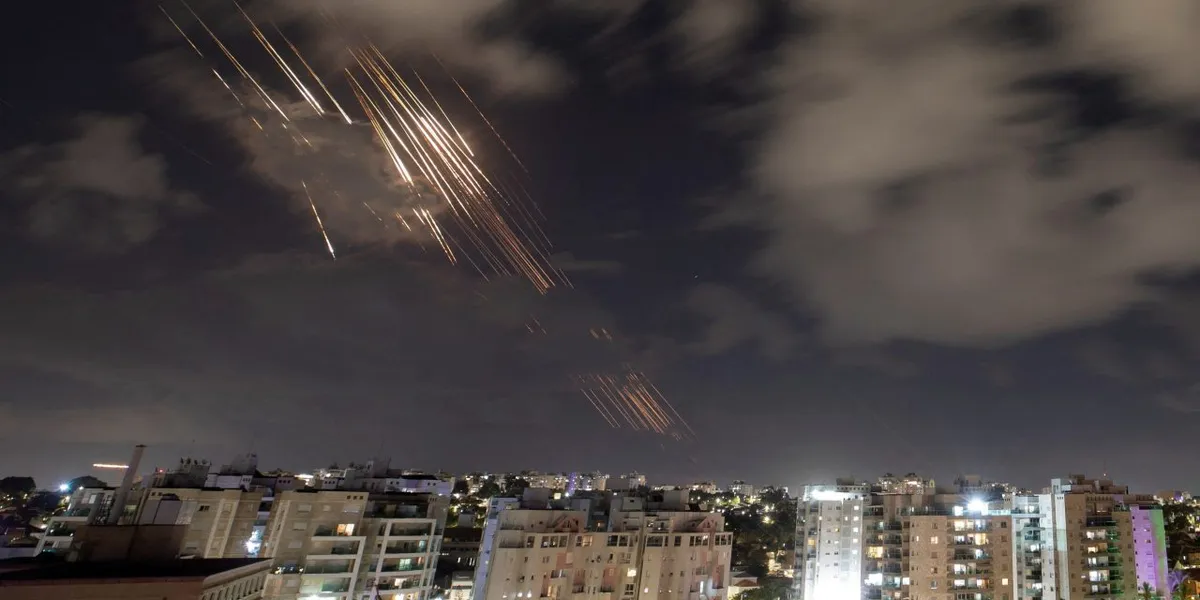
On March 6, 2026, explosions were reported in Tehran as Iran retaliated by firing missiles at Israel. This marked a significant escalation in the ongoing conflict, with Iran launching missile strikes that prompted many residents to seek bomb shelters. The Israeli military responded with extensive airstrikes on Tehran and other Iranian cities, further intensifying the violence.
Casualties and Military Actions
The fighting has resulted in at least 1,230 deaths in Iran and 217 deaths in Lebanon, with additional reports of 798 wounded in Lebanon. The scale of the conflict has raised alarms among international observers, as the humanitarian toll continues to rise amid the ongoing military operations.
International Reactions
The United States has warned of an impending bombing campaign that would be the most intense yet in the conflict. In a move that underscores U.S. support for Israel, the U.S. approved a $151 million arms sale to Israel. Former President Donald Trump stated, “There will be no deal with Iran except UNCONDITIONAL SURRENDER!” highlighting the U.S. stance on the conflict.
Iran’s Response
In response to the escalating violence, Iran’s U.N. ambassador, Amir-Saeid Iravani, asserted that the country would take all necessary measures to defend itself. He condemned the airstrikes, stating, “These acts constitute clear war crimes and crimes against humanity.” This sentiment reflects Iran’s determination to resist external pressures and military actions.
Outlook and Future Implications
Observers and officials have indicated that the biggest bombing campaign of the war was still to come, according to Scott Bessent. Iranians are now waking to day eight since the initiation of the U.S.-Israeli air strikes targeting different facilities across the Iranian capital and elsewhere in the country, as noted by Tohid Asadi. The long-term implications of the conflict on regional stability remain unclear, and details remain unconfirmed.
The Israel-Iran conflict continues to escalate, with significant military actions and rising casualties. As both sides prepare for further confrontations, the international community watches closely, concerned about the potential for a broader regional conflict.